Sponsored By:
One of our most reliable indicators just triggered on a small-cap company operating quietly under the radar. We've seen this same setup before notable announcements, strategic shifts, and surges in institutional activity.
At Alpha Wire Daily, we've built our reputation on identifying these patterns early — before the rest of the market catches on. We've just released a new briefing detailing the company name, chart setup, and why this signal stands out. Timing is everything.
Get the Free Report + Alert Access*We encourage readers to perform their own research and due diligence on any information we provide. By clicking the link you will automatically be subscribed to the Alpha Wire Newsletter.

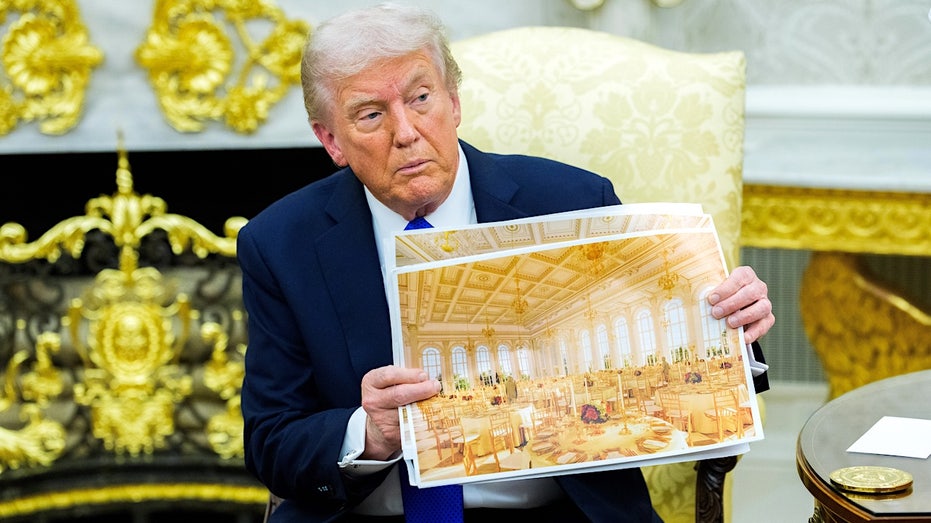
Image via Fox News
DOJ Leans on Dinner Shooting to Clear the Deck for Trump’s Private Ballroom
The Justice Department is urging the National Trust for Historic Preservation to drop its lawsuit aimed at blocking President Trump’s privately funded White House ballroom project. DOJ is citing the shooting at the White House Correspondents’ Dinner as fresh evidence the current setup is a security and logistics mess—and that moving large events into a purpose-built, controlled venue is a public-safety upgrade, not some vanity project.
What’s really going on here is the collision of two Washington instincts: preservation groups that treat "historic" like a choke collar on any change, and an administration that’s going to use a crisis to accelerate a project it already wanted. Either way, it’s a reminder that "process" is power in D.C.—lawsuits and permitting are how people who lose elections keep winning arguments.
✍ My Take: I’ve renovated enough buildings to know there’s a difference between protecting history and weaponizing it. If a modern ballroom improves security, crowd flow, and emergency response—then build it, and do it with private money like they’re saying. The bigger problem is that America’s "approval economy" lets outside groups stall major decisions for years, and that same red tape hits every landlord and small business owner in the country.
📎 Fox News

Image via NTD
Trump to Iran: “Call Us” — While Tehran Coordinates with Moscow
President Trump said Iran can "call us" for talks, as Iranian Foreign Minister Abbas Araqchi travels to Russia and meets with Foreign Minister Sergei Lavrov. The optics are the point: Iran wants leverage, Russia wants disruption, and both want to test how serious the U.S. is about deterrence versus diplomacy.
Markets read these chess moves before cable news does. If Tehran thinks it can keep one foot in negotiations while the other foot is on Russia’s side of the ledger, you’ll see risk premiums show up fast—energy, shipping insurance, and defense names all start repricing.
✍ My Take: "They can call us" is fine, but calls don’t mean anything without consequences. Iran plays for time, and Russia plays for chaos—so the U.S. has to price in the bad behavior, not the press releases. If energy spikes, it hits every small business on deliveries, utilities, and customer spending—so this isn’t some faraway foreign policy seminar.
📎 NTD
Hasan Piker’s Problem Isn’t “Controversy” — It’s Normalizing Political Violence
A Western Journal piece spotlights commentator Hasan Piker and past statements that, according to the article, endorse terrorism, excuse violence, and even suggest a president should be assassinated. The broader point is less about one personality and more about how the online left keeps flirting with "justified violence" language until somebody takes it literally.
This isn’t a free-speech debate in the abstract—it’s a cultural incentive structure. Outrage sells, platforms pay, and the radical line keeps moving because there’s no penalty until after the damage is done.
✍ My Take: If you’re winking at violence for clicks, you’re not a commentator—you’re a risk factor. Big brands and advertisers love to pretend they’re "responsible," but they fund this ecosystem because it drives engagement. Conservatives should stop playing defense and start demanding real accountability from platforms and sponsors that monetize extremism.

Image via The Hill
Trump Stands by Secret Service After Correspondents’ Dinner Shooting
President Trump is backing Secret Service leadership after the shooting at the White House Correspondents’ Dinner, according to reporting from The Hill. The administration is projecting stability—keep the chain of command intact, don’t reward the news cycle with panic, and let investigators work.
But the public is going to want answers: how a high-profile event with layers of protection still produced a shooting, what changed in procedure, and whether "security theater" replaced hard operational discipline.
✍ My Take: In business, when there’s a serious incident, you don’t fire everybody on Monday morning—you secure the facts, fix the system, and then you hold the right people accountable. Still, "standing by leadership" can’t be the end of the story; it has to be the beginning of reforms. Confidence is an asset—lose it, and every event, venue, and city hosting big gatherings pays a price.
📎 The Hill

Image via American Thinker
SPLC in the Dock: A Long-Running Political Weapon Finally Meets Consequences
American Thinker argues that legal trouble for the Southern Poverty Law Center represents overdue accountability for an organization conservatives have long accused of smearing opponents via "hate" labeling and fundraising off political fear. The underlying fight is about reputational power: who gets to define "extremism," and how those labels shape banking access, advertising, employment, and public legitimacy.
In the modern economy, "de-platforming" isn’t just social—it’s financial. When labels become leverage, they can choke off commerce as effectively as regulation.
✍ My Take: If an outfit uses a "hate" stamp like a business model, it ought to face discovery, depositions, and daylight. Conservatives have watched careers and organizations get blacklisted by accusation, not adjudication. This matters to markets because capital follows permission—when politics controls the permission structure, entrepreneurship gets taxed without a bill ever passing.
That’s the roundup. Keep your head on a swivel, your balance sheet clean, and don’t let Washington’s noise drown out where the money’s really moving.
— Wade Lawson