Sponsored By:
While the crowd chases the same tired names, RushTheStreet is tracking the stocks that could move before the headlines hit — small caps on the verge of a breakout, AI plays building momentum, biotech approaching major milestones, gold & silver explorers, and companies with market-moving catalysts on the horizon.
October volatility creates opportunity — but only if you're watching the right names first. Don't let the next big mover disappear into the shadows before you even knew it existed.
Sign Up for RushTheStreet FreeBy clicking the link above, you agree to receive emails from rushthestreet.com. You can opt out at any time. — Privacy Policy

Wednesday, October 21, 2026. From SNAP fraud to chemical spill accountability to the courts finally drawing lines around weaponized discipline, here’s what matters for taxpayers, small businesses, and the country’s balance sheet.
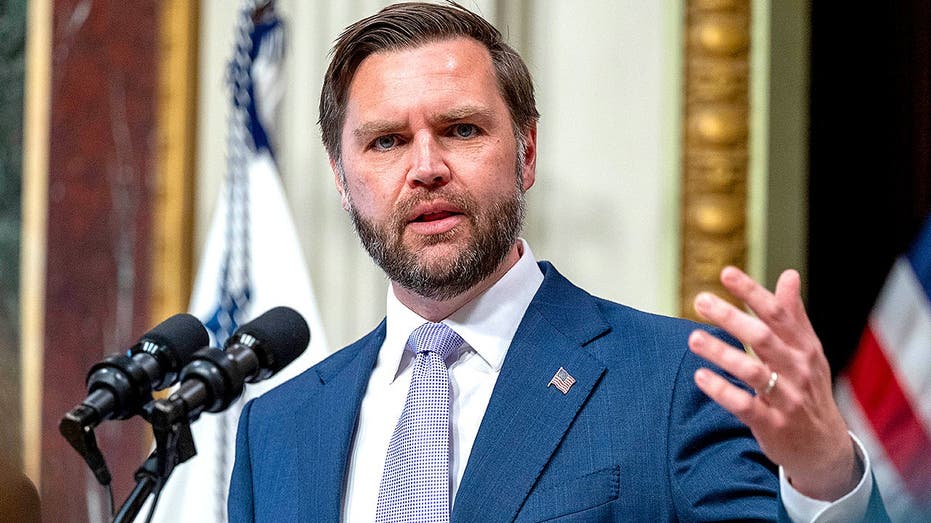
Image via Fox News
Vance Task Force Targets $40M SNAP Scam: Taxpayer Dollars Aren’t Monopoly Money
A task force led by Sen. J.D. Vance is set to unveil criminal charges against more than 40 defendants tied to an alleged $40 million fraud scheme involving SNAP benefits. If the allegations hold, this wasn’t a one-off hustle, it was an industry built on stealing from a program meant to help struggling families put food on the table.
Here’s what burns small business owners: every dollar siphoned out by fraudsters has to be made up somewhere. That “somewhere” is usually the taxpayer and the legitimate employer already choking on payroll taxes, insurance hikes, and compliance costs.
There’s also a second-order effect Washington rarely admits. When the public sees headline after headline of waste and fraud, support collapses for programs that are actually helping real people, and the political class responds with more bureaucracy and “controls” that punish honest retailers and merchants.
🏛 Wade's Take: If you want to cut the temperature in this country, start by enforcing the law evenly and protecting the taxpayers who fund the whole operation. Fraud in safety-net programs isn’t compassion, it’s theft, and it drives up the cost of government for everybody trying to run clean books. Prosecute it hard, recover what you can, and tighten the rules where the money leaks, not where legitimate families get help.
📎 Fox News
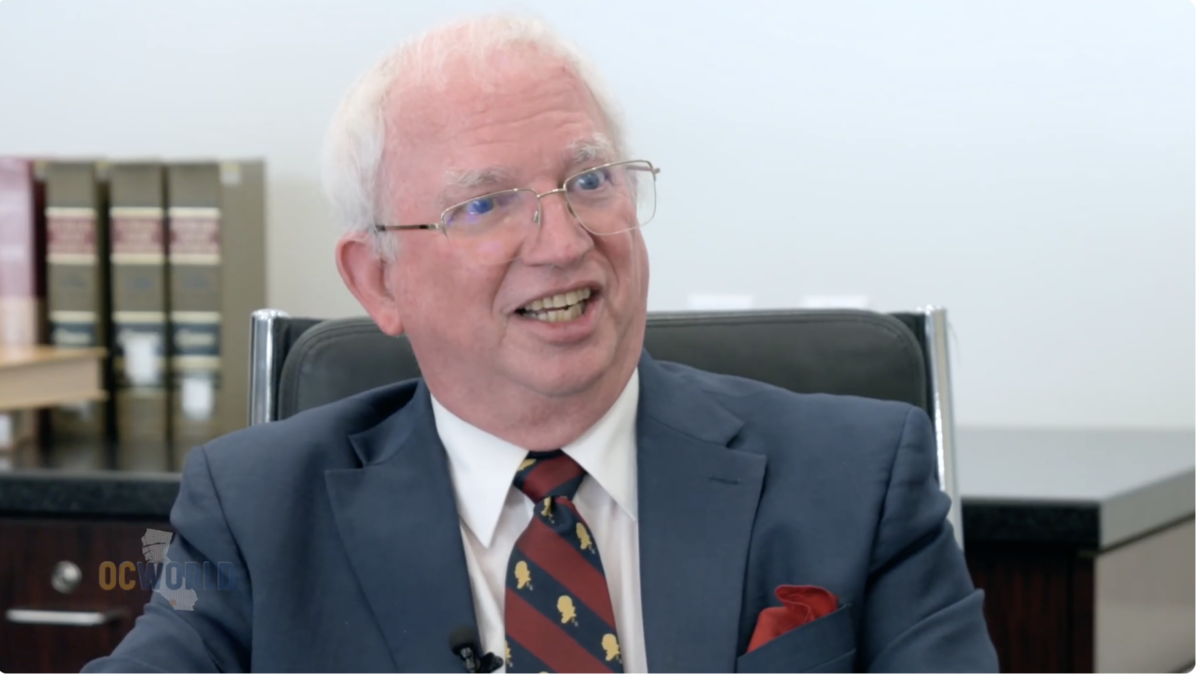
Image via The Federalist
SCOTUS May Rein In the Barfare Playbook: Political Punishment Disguised as “Ethics”
The Supreme Court could be positioned to deliver a major check on what a lot of conservatives see as the “barfare” strategy: using professional discipline and jurisdictional games to punish political opponents when criminal cases don’t stick. The Oversight Project argues that California courts overreached by disbarring Trump attorney John Eastman, raising questions about whether states can stretch their authority to make examples out of nationally prominent lawyers.
Most regular folks don’t follow bar discipline proceedings, but business owners understand the principle immediately. If the system can be bent to ruin your license, your livelihood, and your ability to earn, you don’t need a conviction to be destroyed. You just need a process that’s expensive enough and political enough.
Markets hate this kind of uncertainty, too. When the rules are flexible for your enemies and rigid for your friends, investment slows, hiring slows, and everyone starts spending more on legal defense than on growth.
🏛 Wade's Take: If courts and professional boards are being used as political clubs, the country is going to get poorer and meaner, fast. You can dislike a lawyer’s client and still defend the idea that jurisdiction and due process matter. SCOTUS should draw bright lines here, because the precedent you cheer today will be used against your side tomorrow.

Image via Washington Examiner
Toledo Chemical Spill: The Bill Always Comes Due for Safety Shortcuts
A chemical spill in Toledo prompted officials to order a limited evacuation for parts of the city and a shelter-in-place order for additional areas. The immediate priority is public safety and clear communication, because when hazardous materials get loose, minutes matter and rumors spread faster than facts.
For property owners and local employers, incidents like this carry real downstream costs. You’re looking at business interruption, employee displacement, cleanup and remediation questions, and the kind of public anxiety that can linger long after the streets reopen. If you own industrial or adjacent commercial property, lenders, insurers, and tenants all start asking tougher questions.
It also raises the bigger issue of accountability. Whether it’s a private operator or a public facility, somebody made decisions about maintenance, handling, storage, and compliance. If those decisions were sloppy, the community ends up paying twice: once in health risk and again in economic disruption.
🏛 Wade's Take: I’m pro-industry, but I’m not pro-negligence. If you’re storing or moving hazardous chemicals, safety isn’t a slogan, it’s part of the cost of doing business, and cutting corners is just shifting the risk onto families and taxpayers. Toledo deserves answers, and whoever caused it should pay for the full cleanup and the full disruption.
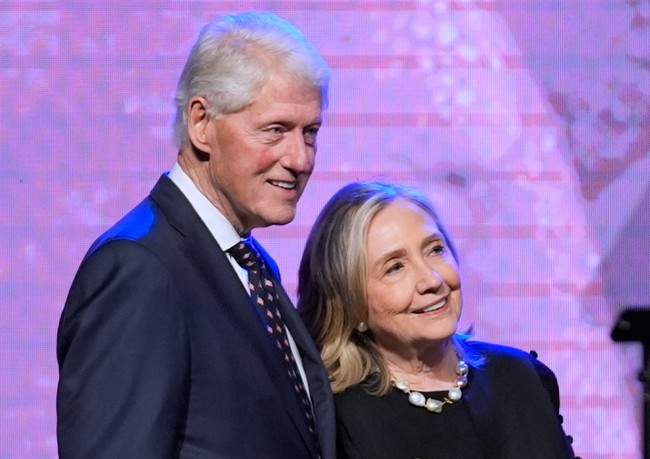
Image via RedState
Bill Clinton Lectures on Rhetoric, Then Gets the Kind of Pushback Regular Folks Feel Every Day
Bill Clinton is back on the circuit warning Americans about partisan rhetoric, and according to coverage, he ran into a blunt reality check that didn’t match the polished talking points. The broader theme is familiar: political figures who helped build today’s scorched-earth environment now trying to sell themselves as referees.
Voters aren’t buying it because they’ve lived through the double standards. They’ve watched “unity” speeches get deployed mostly when one side needs a timeout, while the same voices excuse harsh language, institutional targeting, and cultural contempt when it’s aimed at conservatives.
For people running businesses and raising families, this isn’t theater. The tone in national politics filters down into regulation, enforcement, lending conditions, and the basic sense of whether the country is governed by rules or by moods.
🏛 Wade's Take: If these guys want to cool things down, they can start by condemning the extremes on their own side with the same energy they demand from everyone else. Don’t lecture the country about rhetoric while your allies treat half the nation like an enemy class. Respect is earned, and Americans can smell a rebrand from a mile away.
📎 RedState
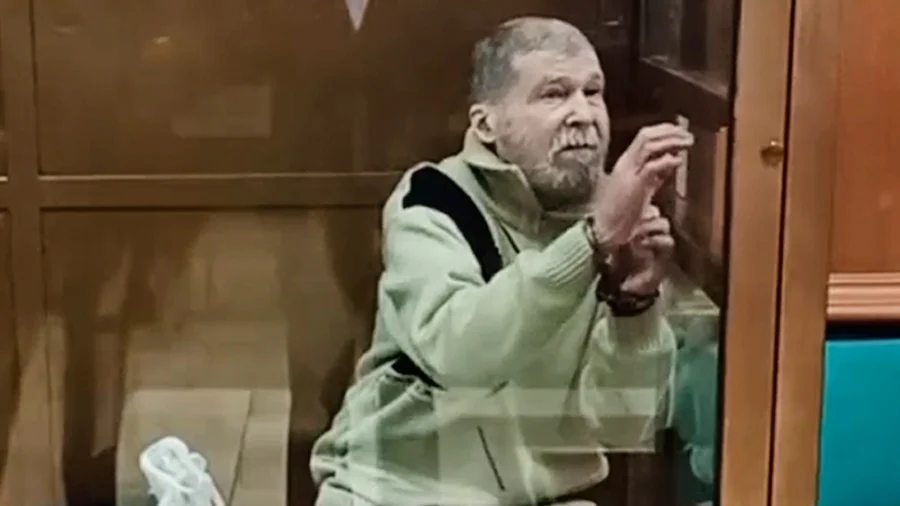
Image via NTD
Russia Frees American Teacher After 4+ Years: Good News, but Don’t Miss the Leverage Game
Russia has freed an American teacher after more than four years in prison, as Vladimir Putin met with a U.S. envoy. Any time an American comes home, that’s a moment to thank God and be grateful for the family getting a life put back together.
But it’s also important to understand how regimes like Russia operate. Detentions and releases don’t just happen, they’re used as leverage, as signals, and as bargaining chips in broader geopolitical negotiations. When you see a release timed around diplomatic meetings, it’s rarely coincidence.
This matters economically, too. Geopolitical tension hits energy prices, commodity flows, cyber risk, and overall market volatility. The more Washington telegraphs weakness or disorganization, the more adversaries test the edges, and the more American businesses and households end up paying for it at the pump and in the portfolio.
🏛 Wade's Take: I’m glad he’s free, truly, but we should stop pretending hostile powers “come around” because we asked nicely. Strength and clarity deter this kind of hostage diplomacy, and confusion invites it. Bring Americans home, yes, and then get serious about the policies that discourage the next wrongful detention.
📎 NTD
That’s the rundown. Keep your head on a swivel, keep your expenses tight, and remember: the country runs on incentives, not speeches. See you tomorrow. Wade Lawson Editor, The Local Conservative
— Wade Lawson