In partnership with

Waiting for the Anthropic IPO? Read this before day one.

Anthropic is going public, and GraniteShares is launching two 2x ETFs on it.
AIL → bullish, seeks 2x Anthropic’s daily move
ANS → bearish, seeks 2x the opposite
Anthropic +1% → AIL seeks +2%
Anthropic −1% → ANS seeks +2%
Built for traders who want to act on a short-term view of Anthropic, up or down, in one ticker, no margin needed.
Coming soon to your trading apps.
The fund does not invest in the underlying stock. Investment in these funds is not an investment in the underlying stock. Investment in these ETFs involve significant risk and are a short-term trading vehicle. Please go through the Prospectus and risk information before investing. Funds are distributed by ALPS Distributors, Inc. For important risk disclosures, learn more at https://graniteshares.com/

Tuesday, November 17, 2026: Five stories every conservative investor and small-business owner should read with a calculator in hand.

Image via Fox News
A Quiet IRS Program Is Hammering Landowners on Conservation Easements
A new study says a little-known IRS enforcement program is gutting conservation easement valuations to near-zero levels after the fact, turning what many landowners believed were legitimate agreements into financial landmines. According to Infinity Advisory Services, the IRS slashed easement values by an average of roughly 97% across 115 cases examined, which can translate into massive back taxes, penalties, and years of legal headaches.
If you own land, this matters far beyond the “tax shelter” stereotypes people toss around. Conservation easements are common in rural America and on the edge of growing metro areas, where families try to protect farmland, timberland, or legacy property while planning estates and balancing cash flow. When Washington can effectively rewrite the economics retroactively, it chills legitimate conservation deals, hits land values, and makes lenders and insurers more skittish around anything with a tax component.
The bigger issue is predictability. Small operators can survive high rates and tight margins, but we cannot survive a system where the rules feel discretionary and enforcement is designed to intimidate instead of clarify. You want compliance? Then publish clear standards, apply them consistently, and stop treating regular landowners like cartel accountants.
🏛 Wade's Take: This is exactly how government erodes property rights: not with a big vote on the evening news, but through audits, valuations, and penalties that only the wealthy can fight. If the average valuation cut is really 97%, that’s not “correction,” that’s confiscation-by-spreadsheet. Congress needs sunlight on this program, and landowners need to assume the IRS is now the silent partner in any deal that touches a deduction.
📎 Fox News

Image via Daily Caller
Never Trump World Starts Eating Its Own as the Market Moves On
The “Never Trump” crowd is turning on itself, and it’s happening for the simplest reason in politics: their brand is losing its buyer. The Daily Caller lays out the infighting and finger-pointing among prominent anti-Trump conservatives as their unifying purpose weakens and the broader right consolidates around practical wins, voter energy, and a clearer message.
From an investor’s perspective, this is what happens when your entire business model is a protest. Protest movements are fine as a moment, but they don’t govern, they don’t pass budgets, and they don’t keep cities safe. Donors, voters, and media attention eventually drift to whoever looks like they can actually drive outcomes, and that shift leaves a lot of pundit-class egos fighting over a shrinking pie.
For the Republican coalition, the question isn’t whether you like somebody’s tone. The question is whether the movement is aligned around border security, energy production, sane regulation, and economic growth that lets a small business hire and expand. When the base is focused on results, the professional dissenters start competing with each other for relevance.
🏛 Wade's Take: I’ve negotiated enough leases to know this rule: if you’re not adding value, you’re a cost, and costs get cut when budgets tighten. “Never Trump” was never a governing plan, and now it’s becoming a circular firing squad. Conservatives should spend less time auditioning for donor dinners and more time locking in policies that lower costs, raise wages through growth, and keep America competitive.
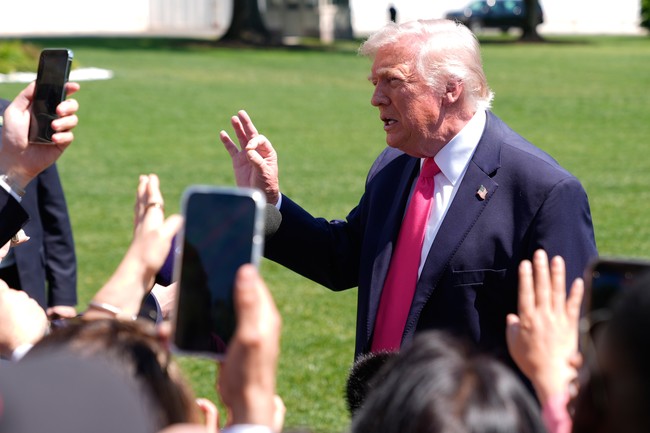
Image via RedState
Trump’s Message on Iran’s Drone Threat: Deterrence Isn’t a Talking Point
RedState highlights President Trump’s blunt response to a reporter about the Iranian regime’s drone threat, with the emphasis being what you’d expect: clear deterrence, clear consequences, and no appetite for letting adversaries test America for sport. Whether you love his style or not, the underlying signal is about restoring the idea that the U.S. will impose costs when hostile actors push too far.
That matters economically more than people admit. When energy lanes are threatened, insurance costs rise, shipping risk gets repriced, and markets start baking in geopolitical premium. Even if you never buy a barrel of oil in your life, that premium shows up in diesel, freight, construction materials, and the everyday cost of running a business.
Drones are also the cheap weapon of choice for regimes and proxies because they’re scalable and deniable. If the U.S. response is mushy, you invite more harassment. If the response is firm and predictable, you reduce the odds of miscalculation that spirals into something far more expensive.
🏛 Wade's Take: Deterrence is cheaper than conflict, and conflict is always more expensive than politicians claim. I want a president who makes the math obvious to Tehran: push us and you pay. Markets can handle tough talk; what they can’t handle is weakness that invites chaos and spikes energy and shipping costs for everyone trying to make payroll.
📎 RedState

Image via American Thinker
New Jersey’s Legal Drift Raises Hard Questions About One Law for All
American Thinker warns that New Jersey Democrats have advanced legislation critics say opens the door to Shariah influence in civil matters, raising alarms about parallel legal norms and the gradual normalization of faith-based frameworks inside public policy. The piece frames it as a symptom of a broader trend: progressive governance accommodating anything except the cultural and legal inheritance that built the country.
Here’s what’s real regardless of where you land on the rhetoric: Americans need one standard of law, applied equally, with rights that don’t depend on your zip code or your community’s internal rules. Once government starts carving out special lanes, you don’t get “diversity,” you get fragmentation, unequal outcomes, and a steady decline in trust.
And when trust declines, costs rise. Litigation increases, compliance gets murkier, and businesses hesitate to invest in communities where the rules feel political, inconsistent, or subject to competing authorities. A healthy economy requires legal clarity as much as it requires capital.
🏛 Wade's Take: I don’t care what acronym politicians hide behind: the United States runs on the Constitution and equal protection under one civil legal system. If a bill blurs that line, it deserves a hard “no” from anybody who believes in assimilation, fairness, and social stability. The moment we tolerate separate rulebooks, we guarantee more conflict and less investment.
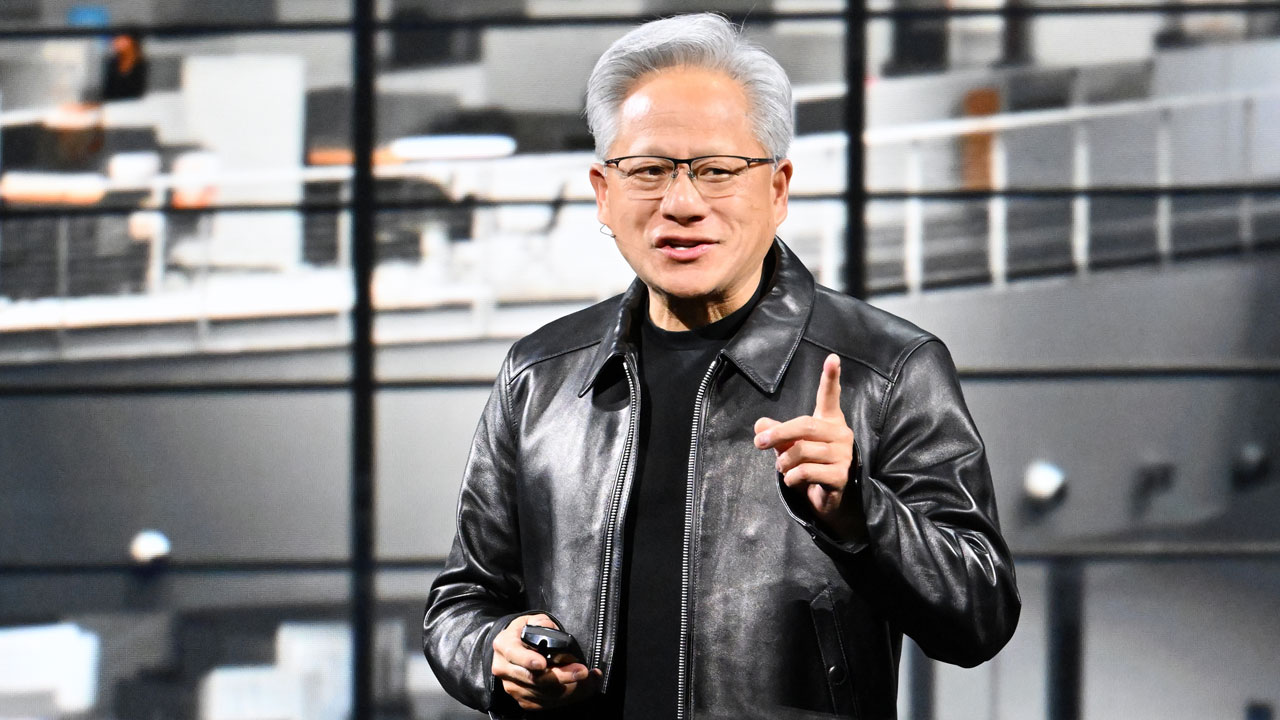
Image via The Daily Signal
Punish Nvidia If Needed, But Don’t Hand Beijing the AI Future
Victor Davis Hanson argues in The Daily Signal that if Nvidia has engaged in wrongdoing, it should face consequences, but America must avoid a self-defeating outcome where our response effectively crowns China in the AI race. The point isn’t to let big companies skate; it’s to recognize that geopolitical competitors don’t separate “punishment” from “opportunity.” If we hobble ourselves, Beijing won’t hesitate to fill the gap.
This is the tightrope for investors and policymakers: national security requires protecting sensitive technology, but industrial reality requires keeping American firms strong enough to innovate, manufacture, and dominate global standards. Overly broad restrictions, unclear rules, or politically motivated enforcement can push talent, capital, and supply chains in the wrong direction.
If the U.S. wants to win AI, we need more than bans and hearings. We need energy abundance to power data centers, faster permitting for infrastructure, serious workforce training, and a trade strategy that recognizes China as an adversary in strategic sectors. Otherwise we’ll congratulate ourselves for “regulating” while losing the next platform shift.
🏛 Wade's Take: Hold companies accountable, yes, but don’t confuse discipline with self-sabotage. If Washington’s answer to every problem is to kneecap an American champion, the only winner is China. The right play is targeted enforcement, clear export rules, and a pro-growth domestic agenda that keeps compute, energy, and talent anchored here.
I’m Wade Lawson. Keep your balance sheet clean, your eyes on the fine print, and your politics grounded in what actually builds jobs and protects families. See you next issue.
— Wade Lawson