Sponsored By:
When the U.S. government quietly takes ownership stakes in public companies, stocks don't just move — they explode. One tripled overnight. Another surged 200% before the market opened. A third went public days after a formal government partnership in one of the biggest tech IPOs in years. This isn't speculation — it's in the official filings.
A free report reveals all 24 companies named in the government's official partnership announcement, which ones you can trade right now, plus a bonus list of 5 companies where the government took direct ownership stakes — and exactly how each stock reacted when the deal went public. Straight from the source. Fully verified.
Get the Free Report NowClicking the link above subscribes you to future messages from Equiscreen, LLC and provides instant access to two additional bonus subscriptions from our marketing partners. Unsubscribe anytime. View Privacy Policy

From fighter jets to AR-15 bans to Congress trading like hedge funds, today’s stories all point to the same question: who gets power, who gets paid, and who gets stuck with the bill.

Image via Fox News
An F-16 Pilot Gave Trump the Thanksgiving Pitch: Keep the World’s Greatest Jet Flying
A U.S. Air Force F-16 pilot told President Trump during a Thanksgiving phone call that the Fighting Falcon is the “world’s greatest,” and that “you couldn’t pay me to switch airplanes.” It’s the kind of straight-from-the-flightline praise that cuts through the think-tank chatter and reminds people why certain platforms stick around for decades.
The F-16 isn’t new, but it’s proven, upgradeable, and exportable — and that matters economically. When Washington backs a platform with a long runway, it supports jobs in manufacturing, maintenance, training, and the whole supplier web that feeds defense production. For investors, it’s also a reminder that defense is one of the few sectors where policy, budgets, and industrial base can keep demand steady even when the broader economy gets wobbly.
🏛 Wade's Take: I’ll take the opinion of a guy who has to bring that machine home over a panel of political appointees any day. The economic lesson is simple: proven systems with incremental upgrades beat shiny new programs that run over budget and under-deliver. If we want a strong America and a stable industrial base, we fund readiness and production, not bureaucracy and press releases.
📎 Fox News

Image via The Federalist
SCOTUS Gets Ready to Test AR-15 Bans — And States Should Brace for the Bill
The Supreme Court is preparing to weigh the legality of AR-15 bans that gun-rights advocates describe as devastating, setting up another major Second Amendment fight. The argument coming from the pro-ban side has often leaned more political than empirical, while opponents are positioning these rifles as commonly owned arms protected under modern Supreme Court precedent.
However you feel about firearms personally, the economic and civic ripple effects are real: compliance costs, enforcement costs, litigation costs, and a growing patchwork of rules that turn ordinary citizens into accidental criminals. Meanwhile, the firearms industry, ranges, and ancillary small businesses — many of them family-run — get whipsawed by regulation that changes every election cycle.
🏛 Wade's Take: States pushing headline-grabbing bans should start budgeting for courtroom losses, because the constitutional trend line has not been moving their way. If you want safer communities, go after violent offenders and mental health failures, not law-abiding ownership. And if SCOTUS tightens the standard again, expect more local governments to learn the hard way that virtue-signaling is expensive.
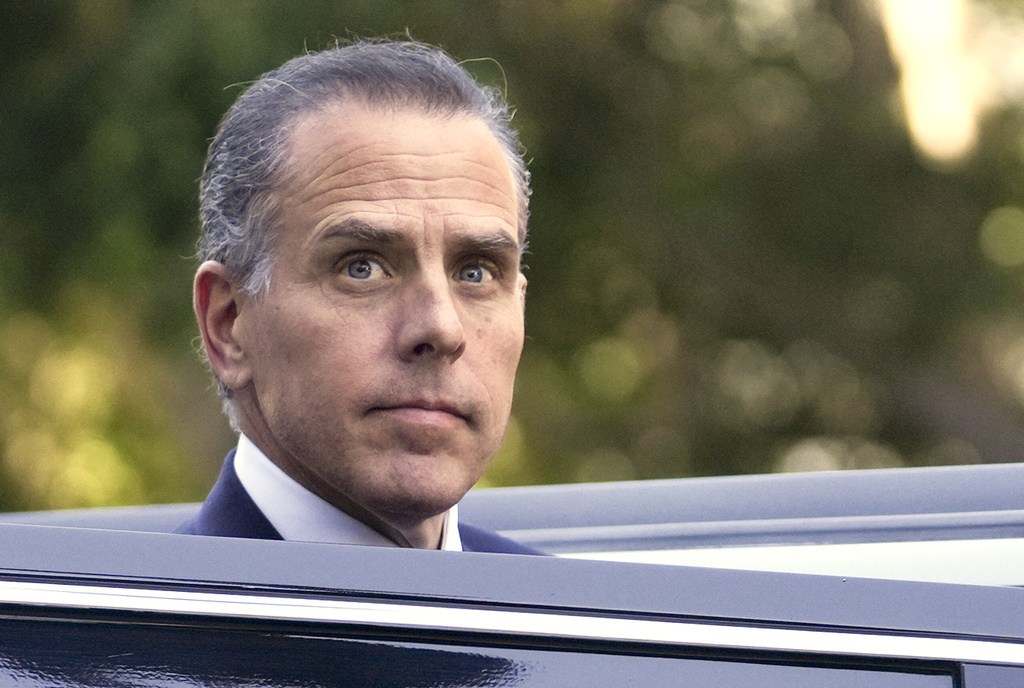
Image via Washington Examiner
No Jail Time for the Well-Connected — And Voters See the Pattern
A Washington Examiner column lays out a familiar frustration: the political class and its allies seem to skate, while consequences land elsewhere. The piece contrasts high-profile names and investigations with the reality that, despite years of noise, very few powerful people ever see a courtroom the way regular Americans do.
This isn’t just a moral problem; it’s an economic one. When the public stops believing the rules are applied evenly, confidence erodes — in institutions, in markets, and in the basic fairness that keeps a free enterprise system functioning. Unequal justice acts like a tax on trust, and once that trust is gone, everything costs more: security, compliance, insurance, and political risk premiums.
🏛 Wade's Take: I’ve had to meet payroll in the real world, where “connections” don’t excuse missed obligations. If Washington wants credibility back, it needs equal enforcement, not equal talking points. The longer elites avoid consequences, the more you’ll see Americans looking for outsiders who promise to bulldoze the whole system.

Image via Daily Caller
USAID and the Intelligence Crowd Allegedly Nudged Censorship Partnerships — That’s Not Foreign Aid
A Daily Caller report says intelligence agencies pushed USAID to partner with a censorship-linked NGO that targeted conservative and independent outlets, including The Daily Caller. If accurate, that’s a troubling blend of federal influence, quasi-private enforcement, and narrative management dressed up in the language of “misinformation” and “safety.”
Here’s the part business owners should care about: once the government normalizes backdoor speech controls, it never stays confined to politics. Today it’s news outlets; tomorrow it’s landlords, banks, contractors, and local employers getting quietly downgraded, deplatformed, or denied services because an NGO slapped a label on them. When state power and private platforms move in tandem, you don’t have a free market of ideas — you have a managed one.
🏛 Wade's Take: Foreign aid agencies have zero business moonlighting as domestic referees for what Americans are allowed to read. If the government believes a claim is false, it can argue publicly and provide evidence — not outsource censorship to a network of nonprofits and call it “partnership.” Conservatives should treat this like any other regulatory overreach: expose it, defund it, and set clear legal boundaries.
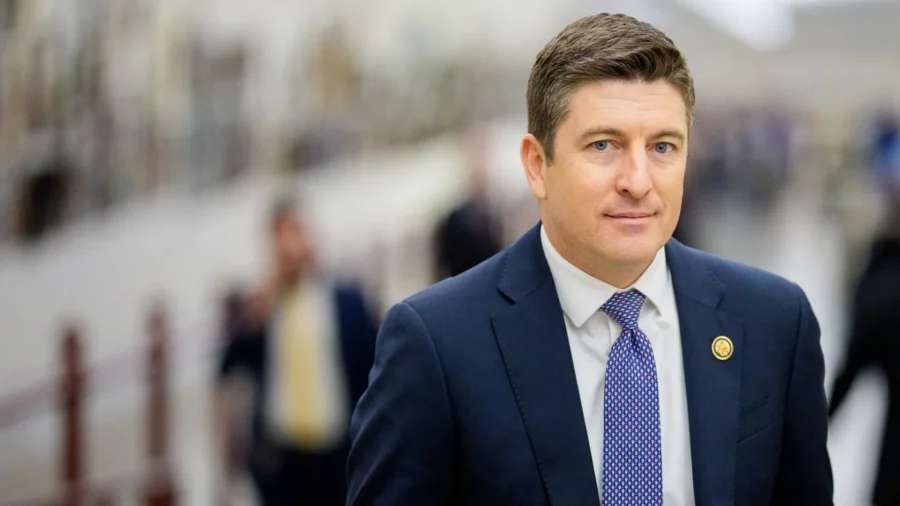
Image via NTD
Republicans Float a Late Push on Congressional Stock Trading — Good, Now Finish It
Republicans are eyeing a last-minute bill addressing congressional stock trading, a perennial sore spot that crosses party lines with voters. The basic issue is simple: lawmakers write rules, oversee agencies, and get briefings that the public doesn’t — then some turn around and trade like they’re running a fund.
This debate isn’t anti-capitalist; it’s pro-integrity. Markets run on fair access and confidence, and nothing undermines that faster than the perception that the people setting policy are also front-running it. If Congress wants to restore trust, it needs bright lines, real penalties, and disclosures that are fast enough to matter.
🏛 Wade's Take: If you can’t trade on nonpublic information at a bank, you sure shouldn’t be able to do it in Congress with the power to move entire sectors. Ban individual stock trading for members and senior staff, require blind trusts, and enforce it with teeth. A free market can’t stay free when the rulemakers are also the best-informed gamblers at the table.
📎 NTD
That’s the roundup for Friday. Keep your head on a swivel, keep your balance sheet strong, and don’t let Washington talk you out of what you know works in the real world. — Wade Lawson, The Local Conservative
— Wade Lawson