Sponsored By:
With government debt soaring and inflation still biting, smart investors aren't waiting for volatility to hit — they're preparing now. The Gold Wealth Blueprint breaks down exactly how gold has historically shielded portfolios during periods of fiscal strain and market uncertainty.
Inside, you'll discover why gold moves differently than paper assets, how to use it as a practical hedge, and how to size your exposure without overcommitting. It's concise, actionable, and free — but don't sit on it.
Get the Free Gold Wealth BlueprintBy following the link above, you're choosing to opt in to receive insightful updates from Investor News + 2 free bonus subscriptions. Your privacy is important to us. You can unsubscribe anytime. See our privacy policy for details.

I read Washington like a lease negotiation: who’s bluffing, who’s paying, and who gets stuck holding the risk. Here’s what matters for your business, your community, and your investments.
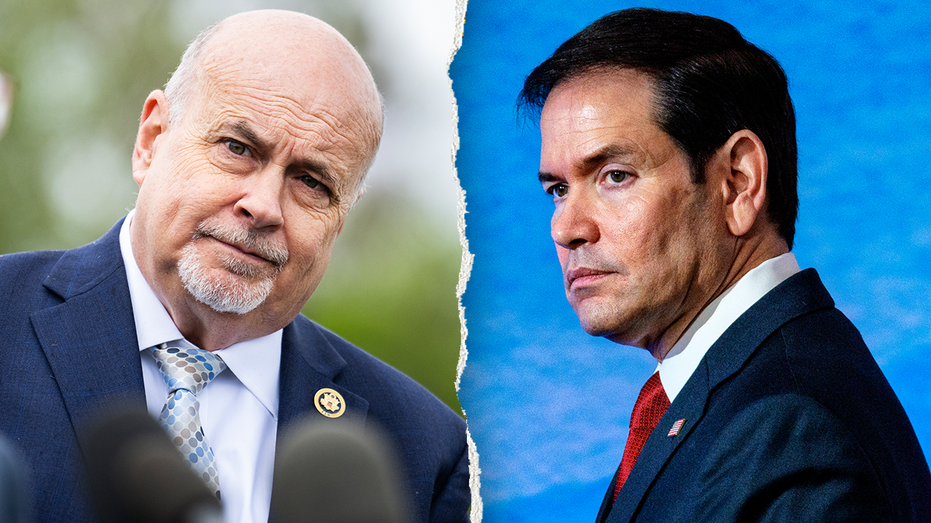
Image via Fox News
Waltz Calls Out a Cheap Shot at Rubio: You Don’t Need a Tourist Stamp to Know Communism
Rep. Mark Pocan took a jab at Sen. Marco Rubio by suggesting Rubio’s views on Cuba should carry less weight because he hasn’t visited the island. Rep. Mike Waltz pushed back hard, pointing out what most grown-ups understand: Rubio’s family history and the lived experience of Cuban exiles aren’t a debate club exercise.
This is the left’s favorite trick. When they can’t argue the substance, they attack the speaker’s “credentials” in a way that conveniently ignores the reality of tyranny, political prisons, and a state-run economy that destroys ordinary lives. If you’ve done business long enough, you recognize it as a distraction tactic meant to shift attention away from an indefensible record.
The bigger point is that Cuba isn’t a cultural field trip. It’s a case study in what happens when the state decides it owns the means, the rules, and the future. That matters for conservatives because the same mindset shows up here in different packaging: centralized control, speech policing, and bureaucrats who think they know your business better than you do.
🏛 Wade's Take: I don’t need to “visit” a bad deal to know it’s a bad deal, and Rubio doesn’t need a Havana hotel receipt to know communism ruins families and economies. The left wants to turn real oppression into a semantics game because they’re allergic to calling evil by its name. If we can’t defend the truth about Cuba, we’re one step closer to normalizing the same control culture at home.
📎 Fox News
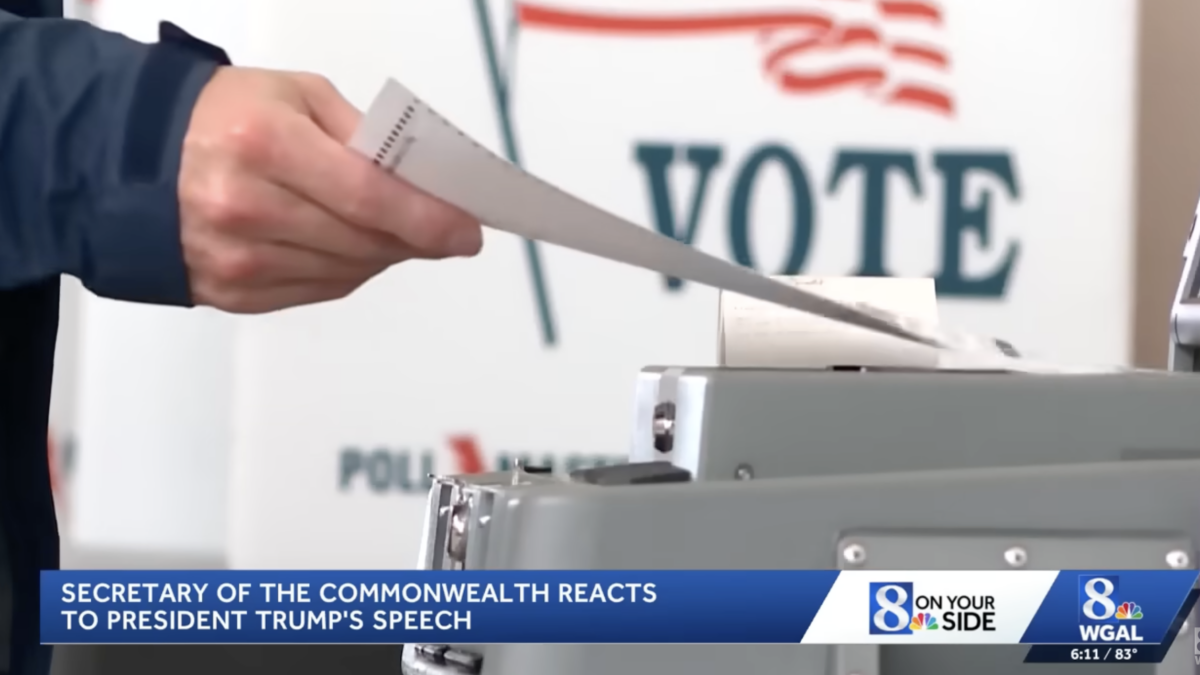
Image via The Federalist
Noncitizens on Voter Rolls: The Problem Keeps Showing Up, and It’s Not a Conspiracy to Notice
A new analysis catalogs repeated instances of noncitizens appearing on voter rolls across jurisdictions, undercutting the tidy story that it “never happens” or that raising the issue is automatically “anti-democracy.” The point isn’t that every list is flooded; it’s that the system has enough gaps that the same issue keeps reappearing in different places and different years.
From a business standpoint, this is basic controls and auditing. If your property management books had recurring errors, you wouldn’t respond by insulting the person who found them. You’d tighten procedures, verify identities, reconcile records, and put consequences in place for violations. Elections deserve at least the same seriousness we demand when we’re tracking rent rolls and payroll.
Public confidence is an asset, and we’re lighting it on fire with sloppy processes and political denial. When people stop believing the system is competently run, every close race becomes a lawsuit, every outcome gets doubted, and the country gets harder to govern. That’s not good for markets, and it’s certainly not good for neighborhoods trying to attract investment.
🏛 Wade's Take: If you want trust, you build it with verification, not vibes. Clean voter rolls, citizenship checks where required, and routine audits are normal governance, not “voter suppression.” Any party fighting transparency is telling you they like the loopholes.

Image via American Thinker
Democrats and the Masculinity Mess: When a Party Can’t Respect Men, It Can’t Lead Families or the Workforce
An essay argues Democrats have a deep, stubborn masculinity problem, tied to a broader cultural posture that treats traditional male virtues as suspect. You see it in the messaging: strength is labeled “toxic,” competitiveness is treated like a moral flaw, and responsibility gets reframed as oppression.
But real life doesn’t run on slogans. The economy is still powered by men and women showing up, taking risks, doing hard work, and carrying responsibility for families and teams. When a political movement signals contempt for the kind of men who build, protect, fix, and provide, those men don’t just vote differently; they disengage, and communities pay the price.
This isn’t about chest-thumping. It’s about dignity and purpose. A healthy culture channels masculinity into service: fatherhood, work ethic, discipline, and leadership. The left’s constant scolding doesn’t reform men; it drives them away and leaves a vacuum that gets filled by anger, apathy, or worse.
🏛 Wade's Take: A party that talks like men are the problem won’t get men to buy into the solution. Conservatives should keep making the case for honorable masculinity: responsibility, restraint, and service, not bitterness. You want stronger families and safer streets? Stop treating strength like a sin.
U.S. Greenlights a Saudi Nuclear Agreement: Strategic Reality or a High-Stakes Gamble?
Reports say the U.S. has approved a nuclear agreement with Saudi Arabia that includes nuclear power reactors and potentially domestic uranium enrichment. Supporters will argue it’s about shaping the program under U.S. oversight, countering Iran, and keeping Riyadh aligned with the West rather than pushing them toward China or Russia.
But enrichment is where the conversation gets serious. Civilian nuclear power is one thing; enrichment capability raises the risk profile because it can shorten the path to a weapons option, even if that’s not the stated intent. In deal terms, that’s like giving a tenant not just keys to the building, but keys to the breaker panel and the ability to rewire the place.
Economically, energy strategy in the Middle East still moves oil, shipping costs, defense spending, and global risk premiums. Markets hate uncertainty, and nuclear uncertainty is the kind you can’t hedge with a spreadsheet. If this agreement is real, the U.S. better have enforcement mechanisms with teeth, not just press releases.
🏛 Wade's Take: I understand strategic leverage, but I also understand moral hazard: once you hand over capability, you don’t get to pretend you still control it. If enrichment is on the table, Congress and the public deserve full transparency and hard conditions, not bureaucratic fog. Peace through strength means fewer ambiguous risks, not more.

Image via NTD (The Epoch Times)
Senate Eyes HHS and Labor Nominees: These Two Agencies Decide How Expensive It Is to Hire and How Free You Are to Practice Medicine
A Senate committee is considering nominees tied to the Department of Health and Human Services and the Department of Labor. That may sound like inside baseball, but these are the agencies that shape your insurance costs, workplace compliance burden, overtime rules, independent contractor standards, and the kind of health mandates that ripple through every small business budget.
If you’ve ever had to decide between adding a worker or absorbing another compliance cost, you already know the truth: Labor policy is business policy. And if you’ve watched premiums jump or providers drown in paperwork, you know HHS isn’t just about “health,” it’s about who controls decisions and who pays when the system breaks.
Nominee hearings matter because personnel becomes policy. The wrong leadership turns agencies into enforcement machines chasing political goals. The right leadership focuses on outcomes, transparency, and letting the private sector do what it does best: innovate, compete, and deliver value.
🏛 Wade's Take: I want HHS and Labor run by adults who respect math: mandates raise costs, overregulation kills hiring, and paperwork doesn’t heal anybody. If these nominees can’t commit to clear rules, predictable enforcement, and fewer barriers for small employers, they shouldn’t get the job. Markets can price risk, but they can’t price arbitrary government.
Wade Lawson, Editor, The Local Conservative. Build real things, hire your neighbors, and don’t let Washington turn honest work into a permission slip.
— Wade Lawson