Sponsored By:
Elon Musk got full access to every federal budget, every agency, every line item — and what he found should terrify every American with savings. The U.S. spends $1 trillion a year on interest alone, 70% of the budget is legally untouchable, and even firing every federal employee wouldn't close the gap. Gold is already responding — up 95% in a year to $5,150. The math is broken, and no one in Washington is going to fix it.
We've put together a free report — "Breaking Point: Musk" — revealing exactly what Musk uncovered, why it's unfixable through normal means, and the one move retirees are making right now to protect themselves. If Musk couldn't fix it, your financial plan shouldn't depend on someone else fixing it either.
Download Your Free Report NowThis is an advertisement from American Alternative Assets. © American Alternative Assets. All rights reserved. If you no longer wish to receive promotions, please unsubscribe here or write to: 21550 W Oxnard St Ste 845, Woodland Hills, California 91367.

Friday, October 30, 2026. Five stories that matter to people who sign paychecks, own property, and invest for the long haul: merit versus ideology, Washington meddling in medicine, a North Korea scam that hit corporate America, the GOP’s case for another term, and Democrats still fighting themselves like it’s a hobby.

Image via Fox News
DEI Creep Isn’t Just Annoying—It’s a Safety and Competence Problem
Douglas MacKinnon is putting his finger on what a lot of working Americans feel but don’t always say out loud: a country built on merit can’t survive long when it starts sorting people by labels first and results second. He points to the real-world places this shows up—commercial aviation, infrastructure, and financial services—where “getting it right” is not optional.
What caught my eye is the debanking angle. When institutions start making political “risk” judgments about customers, it’s not just activists they can squeeze—it’s contractors, gun shops, energy firms, faith-based groups, and any small business that doesn’t fit the fashionable profile. Once access to basic banking becomes conditional on ideology, capital allocation gets distorted, and that’s when markets stop rewarding competence and start rewarding compliance.
This is also an investor story. When DEI becomes a parallel management structure, it adds cost, slows decisions, and increases operational risk. You don’t see that in a glossy ESG report, but you do see it in higher insurance premiums, uglier incident rates, and the kind of brand damage that takes years to repair.
🏛 Wade's Take: If you want a strong America, you don’t build it by grading people on identity and then hoping the bridges stand and the planes land. The free market works when performance is measurable and accountability is real—DEI bureaucracy muddies both. Any boardroom that can’t say “hire the best, promote the best, fire the worst” is a boardroom that eventually hands its competitors the advantage.
📎 Fox News
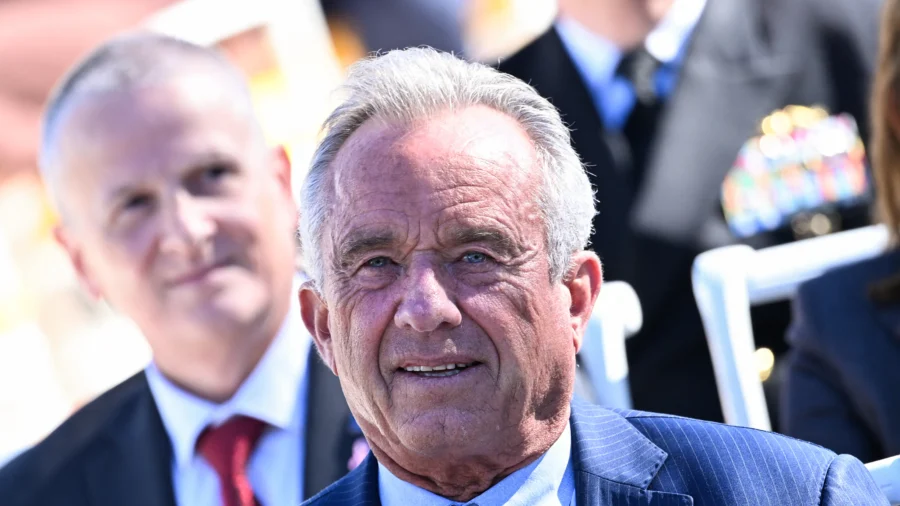
Image via NTD
RFK Jr. Loosens Rules on Unapproved Peptide Injections—Freedom or a Regulatory Face-Plant?
The report out of Washington is that Health Secretary Robert F. Kennedy Jr. has moved to remove restrictions tied to unapproved peptide injections. Peptides have been a fast-growing corner of the wellness and anti-aging world, and a lot of consumers have been operating in a gray zone—paying cash, chasing trends, and often relying on providers who market aggressively.
On the one hand, Americans are tired of being treated like children by federal agencies. People want autonomy over their bodies, and they don’t trust a system where the same regulators who “protect” you also protect incumbents and move at glacial speed. On the other hand, when you remove guardrails, you invite fly-by-night operators, quality-control problems, and a wave of liability that ends up in courtrooms and insurance pools.
Markets don’t like uncertainty, and healthcare is already full of it. This change could create a short-term boom for certain clinics and compounding outfits, but it could also trigger a backlash if adverse events spike. If you’re a small business owner in the health space, you’re now operating in a landscape where the rules may be looser, but the reputational and legal stakes are higher.
🏛 Wade's Take: I’m for freedom, but freedom works best with honesty and consequences. If Washington is going to loosen restrictions, then the standard for disclosure, purity testing, and provider accountability ought to go up, not down. If this turns into a gold rush where consumers get burned, you’ll see the usual cycle: headlines, lawsuits, then an overcorrection that punishes the responsible players.
📎 NTD

Image via Western Journal
North Korea’s Fake Tech Workers Got Paid by U.S. Firms—And That Money Didn’t Buy Pizza and Ping-Pong Tables
The Trump administration announced sanctions targeting individuals tied to a scheme that used fraudulent tactics and fake identities to get hired by U.S. companies—then funnel money to North Korea’s weapons programs. This wasn’t some Hollywood cyber plot; it was a basic business failure: weak vetting, sloppy onboarding, and too much comfort with remote hiring at scale.
Every company chasing “cheap” talent through third-party channels needs to read this like a lease clause you ignored and now regret. Payroll is a supply chain, and supply chains can be compromised. When you don’t know who’s behind a keyboard, you don’t know what you’re funding, what data you’re exposing, or what legal liability you just invited onto your balance sheet.
For investors, this is also a signal about enforcement and risk. Compliance is no longer just about taxes and HR posters in the break room; it’s national security. Expect tighter standards around identity verification, contracting, and remote access controls—especially in tech, fintech, healthcare, and anything that touches critical infrastructure.
🏛 Wade's Take: If you’re a CEO and you can’t tell me who you’re paying, you don’t have a workforce—you have a security breach on installments. America can’t afford to bankroll hostile regimes because some middle manager wanted to fill roles fast and “go global.” Tighten the hiring pipe, treat vendor risk like real risk, and remember: the cheapest labor can become the most expensive mistake.
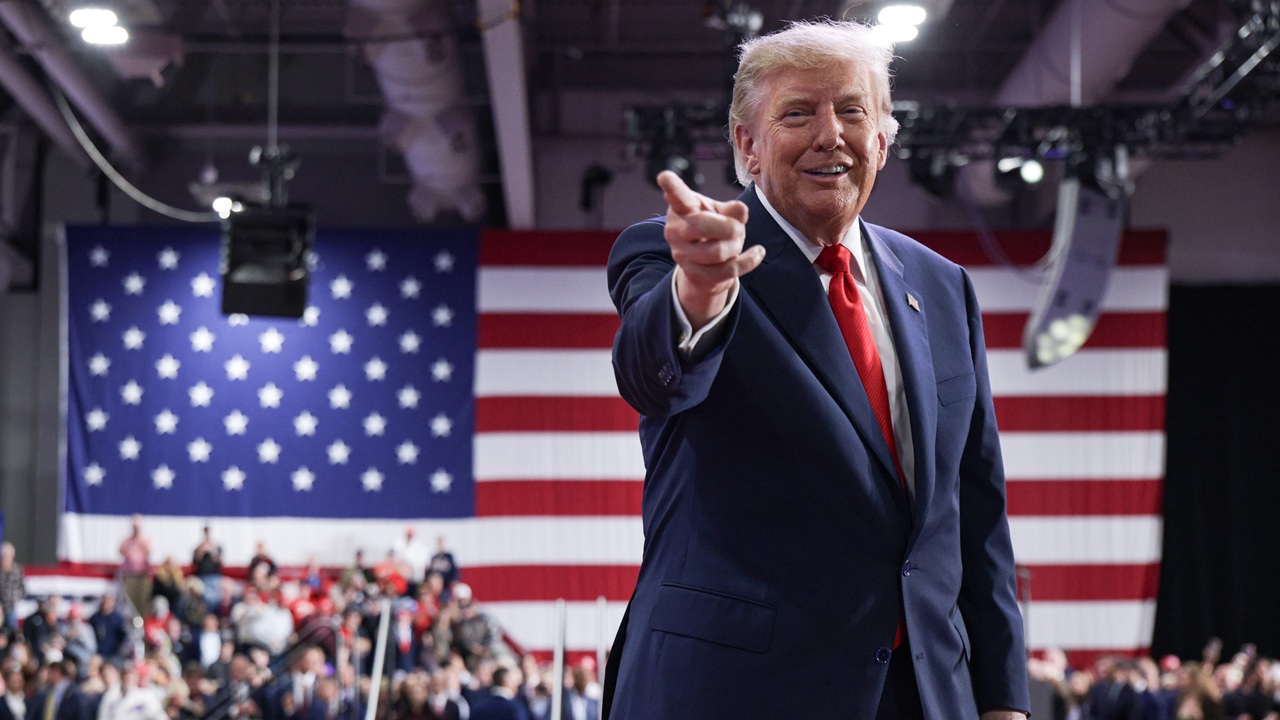
Image via The Daily Signal
The GOP’s Closing Argument: Results, Not Rhetoric—And Voters Feel the Difference
The Daily Signal lays out a case for conservatives heading into next week: Republicans say they’ve delivered tangible accomplishments and should be rewarded with reelection. The backdrop is straightforward—voters are frustrated about costs, energy prices, and a general sense that Washington hasn’t been working for regular people.
There’s a practical political reality here that business owners understand instinctively. When costs rise, customers pull back, hiring slows, and expansion plans get shelved. You don’t need a PhD to feel it; you see it in restaurant traffic, vacancy rates, and the way families talk about “waiting until next year” to buy a car or move.
The conservative message that lands is the one that ties policy to pocketbook: energy abundance, lighter regulatory burdens, safer communities, and a tax code that doesn’t punish growth. Voters don’t want a lecture. They want a plan that gets inflation down, keeps jobs here, and stops treating private enterprise like a piggy bank.
🏛 Wade's Take: I vote for the party that understands you can’t redistribute your way into prosperity—you have to produce it first. Conservatives win when they talk like grown-ups about energy, crime, and spending, and then actually do the work after Election Day. If Republicans want to keep the trust, they need to keep the focus on affordability and accountability, not pet projects and insider games.

Image via The Hill
Democrats Still Can’t Decide Who They Are—and 2028 Is Already Casting a Shadow
The Hill reports that lingering Democratic divisions are setting the stage for complications as the party looks toward 2028. After their loss in 2024, Democrats have been caught between competing factions, and the article frames it as a preview of the internal fights that can shape candidate recruitment, messaging, and turnout.
From a markets-and-money perspective, party division matters because it affects policy predictability. When a coalition can’t agree on basics—energy, policing, the border, taxes, and the role of the administrative state—business planning becomes guesswork. Capital is cautious when politics is chaotic, and cautious capital means fewer deals, fewer hires, and softer local growth.
This isn’t just a national story. In mid-sized cities like mine, shifting federal signals hit everything: permitting timelines, infrastructure grants, bank appetite for construction lending, and the tone regulators take with landlords and employers. When one side is busy fighting itself, it tends to outsource governance to agencies and activist groups—and that’s where small businesses get squeezed.
🏛 Wade's Take: A divided party doesn’t just lose elections—it governs by impulse when it does win, because it can’t hold a clear line. For investors and business owners, that usually means more regulation, more uncertainty, and more political favoritism masquerading as “equity.” If Democrats want to compete, they’ll have to choose: growth and order, or permanent culture-war management by bureaucracy.
📎 The Hill
That’s the week as I see it: follow competence, follow incentives, and always follow the money. See you Sunday after church—and if you’re running a business, keep your cash flow tight and your eyes open.
— Wade Lawson