Sponsored By:
🎃 The market has its own tricks — and October is full of them. Sudden momentum, unusual activity, and stocks making big moves before anyone else notices. Don't get caught off guard.
GuyStocks delivers real-time momentum alerts 🕷️, flags unusual stock activity 👻, and gives you clear, actionable insights ⚡🔎 — so you're ahead of the move, not chasing it. And it's 100% free to join 🆓.
Join GuyStocks Free TodayBy clicking the button above, you agree to receive emails from GuyStocks.com. You can opt out at any time. — Privacy Policy

From selective outrage in Washington to real-world risk in the Red Sea, today’s headlines all point to the same question: who pays when politics turns into policy?
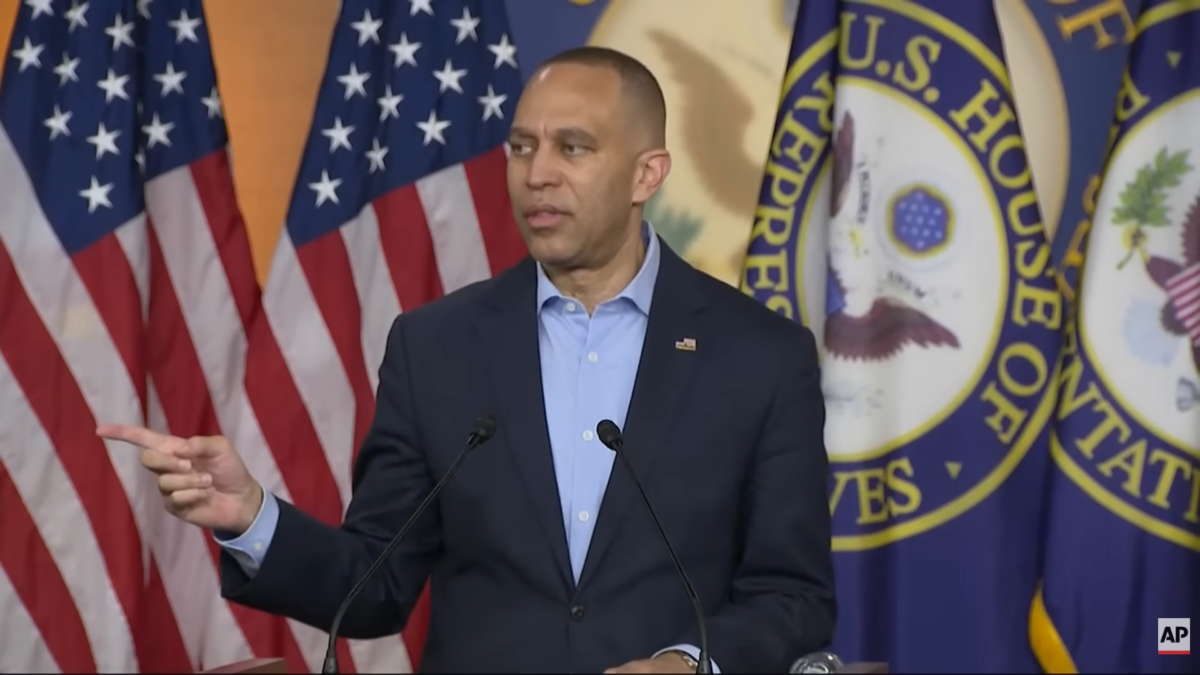
Image via The Federalist
Democrats Loved the Raids — Until the Spotlight Turned Their Way
Democrats spent the last year chanting “no one is above the law” while cheering federal force aimed at their political opponents. Now the tune changes fast after news of federal scrutiny involving Rep. Ilhan Omar, with allies suddenly worried about overreach, optics, and process.
Whatever the exact contours of the Omar matter end up being, the broader point is clear: Washington’s moral language is rented, not owned. When law enforcement is treated like a political weapon, you don’t get “justice” — you get a cycle where each side tries to criminalize the other, and the country’s trust in institutions gets strip-mined.
For small businesses and investors, the damage isn’t theoretical. When the public believes enforcement is selective, compliance becomes more arbitrary, risk premiums rise, and confidence falls — the same kind of uncertainty that freezes deals, slows hiring, and makes capital hide on the sidelines.
🏛 Wade's Take: If you cheered the Mar-a-Lago raid, you don’t get to clutch pearls now. The rule of law has to be consistent, or it turns into rule by headline. And every time Washington plays games with enforcement, it weakens the institutional credibility markets rely on — and that costs real people real money.
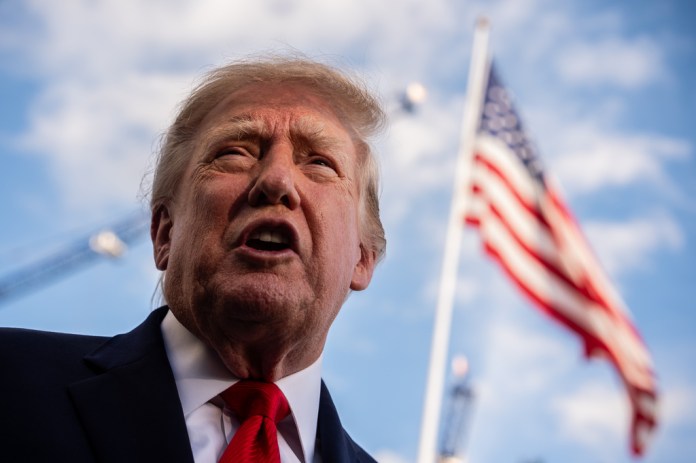
Image via Washington Examiner
Houthis Threaten Retaliation as U.S. Weighs Yemen Strikes — Markets Hear “Shipping Costs Up”
Iran-backed Houthi forces are warning of “swift and painful” retaliation if the United States strikes targets in Yemen, after President Trump condemned the group’s recent attacks. Translation: the Red Sea remains a live wire, and the world’s supply chains are still one missile away from another surge in transport costs.
This isn’t just a foreign-policy chess match. Every time maritime risk rises, insurers price it in, shipping routes get longer, and delivery timelines stretch. That hits everything from fuel and fertilizer to consumer goods, and it squeezes American families at the register while hammering small businesses that don’t have the leverage to renegotiate contracts every two weeks.
Investors should be watching energy, defense logistics, and global freight indicators like a hawk. The fastest way inflation returns is not some ivory-tower model — it’s a handful of chokepoints overseas that turn into toll booths on the global economy.
🏛 Wade's Take: America has to protect freedom of navigation, period, but we should do it with a clear objective and a clear end state. The Houthis are a proxy, and everyone knows who the sponsor is. If Washington wants stable prices at home, it has to stop pretending overseas disorder won’t show up in your diesel bill and your grocery cart.

Image via RedState
California Privacy Rules: Great for Bureaucrats, Handy for Cartels
California’s aggressive privacy framework is being blamed for an ugly side effect: making it easier for criminal organizations to hide ownership and build high-end vehicle fleets with less transparency. When systems are designed to shield information broadly, the people who exploit that shield best are rarely soccer moms — it’s professionals who live on anonymity.
This is what happens when lawmakers write policy like a slogan instead of a balance sheet. Privacy matters, but so does verification. When legitimate businesses and law enforcement can’t quickly confirm who owns what, fraud thrives, theft rings scale up, and everyday people eat the cost through higher insurance premiums and more expensive credit.
And it doesn’t stay in California. Criminal networks don’t respect state lines, and the economic drag spreads: higher risk, higher costs, and more pressure on already-stretched local budgets dealing with auto theft and organized crime.
🏛 Wade's Take: Privacy without accountability is just cover for the worst actors in the room. If Sacramento wants to protect families, it should stop writing rules that make it harder to catch criminals than to open a small business. Conservative governance means you protect rights and enforce order — you don’t sacrifice order to score points with activists.
📎 RedState
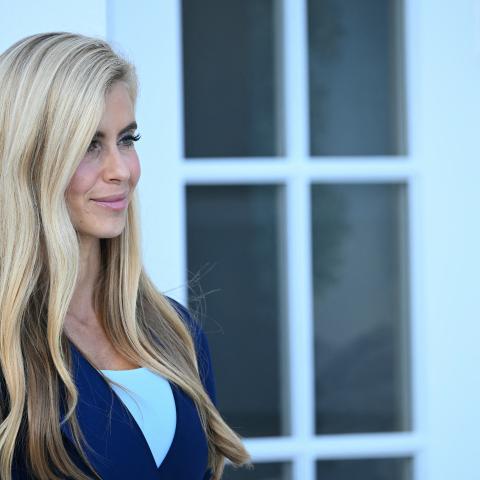
Image via Just the News
New Press Secretary Zacharia Steps In — The Briefing Room Still Owes the Public Straight Answers
The White House says new press secretary Zacharia will hold her first press briefing this morning, just a day after starting the job and days after being named to replace Karoline Leavitt. A new face at the podium always brings the same test: will the administration communicate clearly, or will it treat Americans like they’re not allowed to notice contradictions?
For markets and Main Street alike, messaging isn’t fluff. When government communication is sloppy, businesses delay decisions, investors widen their range of outcomes, and local leaders can’t plan around federal priorities. Stability isn’t only about policy; it’s also about credible information and predictable follow-through.
Zacharia is walking into a press environment where every answer gets dissected in real time. The quickest way to build credibility is simple: show your work, don’t dodge, and respect that taxpayers are the ones funding the whole show.
🏛 Wade's Take: I don’t care what party is in charge — the press secretary’s job is to tell the truth as cleanly as possible and stop the spin cycle. If the White House wants confidence from small business owners and investors, it needs disciplined messaging and fewer “try-that-again” headlines. Credibility is an asset, and it’s one Washington burns too cheaply.
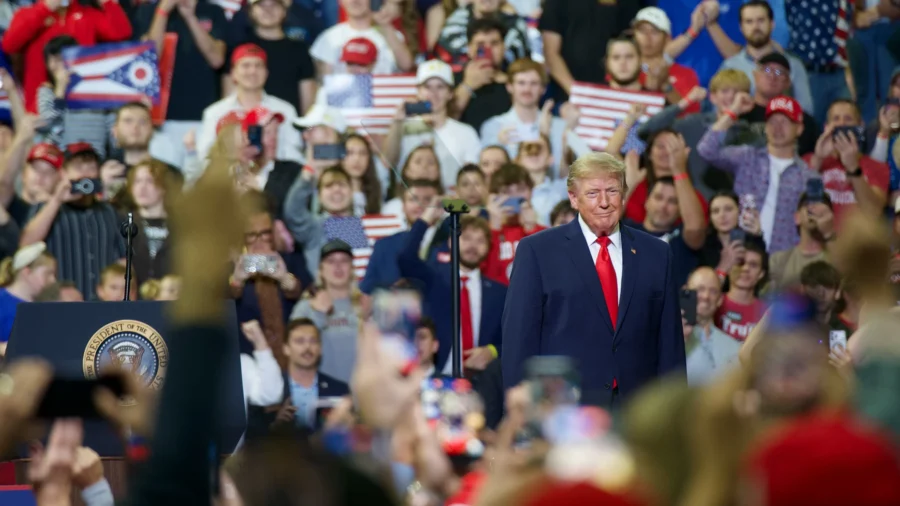
Image via NTD
Trump Moves to Keep an Ohio Energy Provider Online — Reliability Is Economic Policy
At a rally in Youngstown, President Trump announced federal support aimed at keeping a local energy provider operating in Ohio. In plain English: keeping the lights on and the grid stable is not optional, especially in industrial regions where power costs and reliability determine whether plants expand or shut down.
Energy isn’t just another line item — it’s the operating system for the entire economy. When a community’s power supply gets shaky, property values feel it, employers hesitate, and lenders get conservative in the worst way. Local governments then get squeezed by a smaller tax base and bigger infrastructure demands.
If the federal government is going to step in, the public deserves clarity on the terms: what’s being funded, what reforms are required, and how the plan prevents a repeat. The goal should be dependable, affordable power without building a permanent crutch.
🏛 Wade's Take: Keeping a critical provider online can make sense, but it has to come with hard accountability and a path to long-term viability. Conservatives should be the adults in the room: reliability first, politics second, and no blank checks. A stable grid protects jobs, keeps rents and home prices from getting hammered, and gives businesses the confidence to invest.
📎 NTD
That’s the roundup for this Tuesday. Keep your head on a swivel, your balance sheet clean, and don’t let Washington’s theater distract you from where the money and risk are really moving. — Wade Lawson, The Local Conservative
— Wade Lawson