Sponsored By:
A rare momentum indicator just fired — and it's pointing at a small-cap stock that's still flying completely under the radar. Historically, when this signal triggers, real movement tends to follow before the crowd ever catches on.
Trading Ideas has put together the full briefing: company name, chart data, and the exact signal they're watching — all in one free report. This is the kind of early setup that doesn't stay quiet for long.
Access the Free Report Now*We encourage readers to perform their own research and due diligence on any information we provide. By clicking the link you will automatically be subscribed to the Trading Ideas Newsletter. View our Privacy Policy.

Five stories that matter to anyone trying to run a business, protect a neighborhood, and invest with both eyes open.
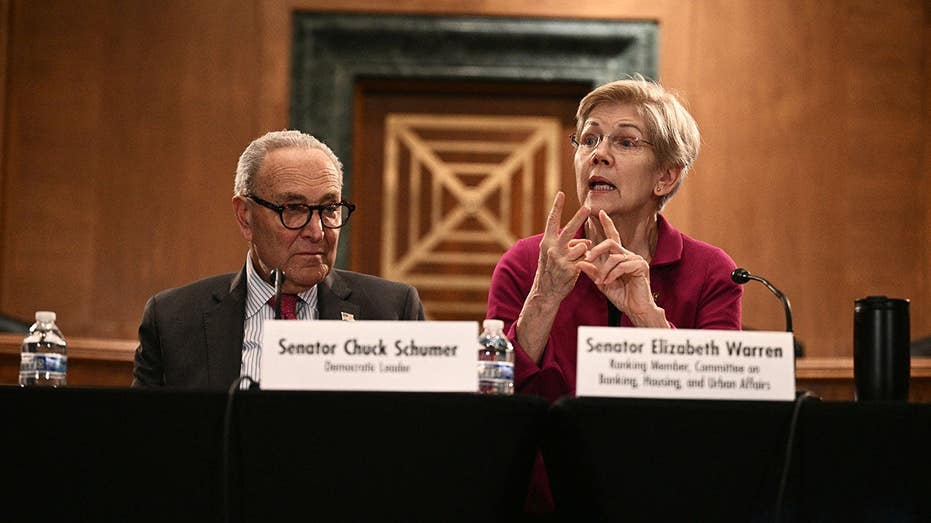
Image via Fox News
Warren Breaks With Schumer as Michigan Primary Turns Into a Democrat Knife Fight
Michigan Democrats just showed you the real party split in plain daylight. Sen. Elizabeth Warren and Sen. Bernie Sanders are backing Abdul El-Sayed in the Democratic primary, while Sen. Chuck Schumer is lining up behind Rep. Haley Stevens. That is not a polite disagreement; that is the party’s left flank telling its leadership, “We’re taking your playbook and throwing it in the trash.”
For markets and small business owners, the important part isn’t the personalities. It’s what each faction wants to do with taxes, energy, healthcare, and regulation. Michigan is a must-win kind of state in a tight Senate map, and when Democrats start spending money attacking each other, it’s less money aimed at Republicans and more uncertainty for anybody trying to plan hiring, capital spending, or a long-term real estate deal.
If you own property or run payroll anywhere in the industrial Midwest, you already know how policy whiplash hits: investment pauses, projects get delayed, lenders get tighter, and everybody waits to see who’s actually in charge. A messy primary can pull a Senate candidate further left than the median voter, and that’s where general-election losses are born.
🏛 Wade's Take: When a party can’t decide whether it wants to be pro-growth or anti-growth, it usually ends up being anti-growth by default. Warren and Sanders are great at demanding bigger government; they’re not great at explaining who covers the bill when investment dries up. If Republicans stay disciplined and talk jobs, energy, and cost of living, Democrats will do half the campaigning for us by fighting over who gets to regulate the rest of us harder.
📎 Fox News

Image via The Federalist
Trump Fires Election Commission Officials, and the Legal Ground Looks Solid
The uproar over President Trump firing members of the Election Assistance Commission is being sold as a “democracy crisis,” but the legal argument coming back is simple: the Supreme Court has already broadened what a president can do with executive-branch personnel. The Federalist reports legal experts saying the panic is misplaced because the president is operating within authority the Court has recognized.
From a business standpoint, this is the same governance question you deal with in any organization: who is accountable for outcomes, and do they have the power to hire and fire the team that executes the mission? If the public wants clean, consistent election administration, you need clear lines of authority. The flip side is obvious too: if every election office becomes a political football, confidence drops and the country pays a risk premium in everything from municipal bonds to consumer behavior.
Investors hate uncertainty, and “election legitimacy” is uncertainty on steroids. That’s why the rules and the chain of command matter. If the law says the president can remove these officials, then the fight should be about what policies replace them, not pretend outrage about powers that were already litigated and decided.
🏛 Wade's Take: You can’t demand accountability from the executive branch and then scream when the executive actually exercises control. If the courts have clarified the president’s removal power, the grown-up conversation is about safeguards, transparency, and performance metrics for election administration. Conservatives should insist on clean process and auditable systems, but we shouldn’t apologize for lawful executive authority.
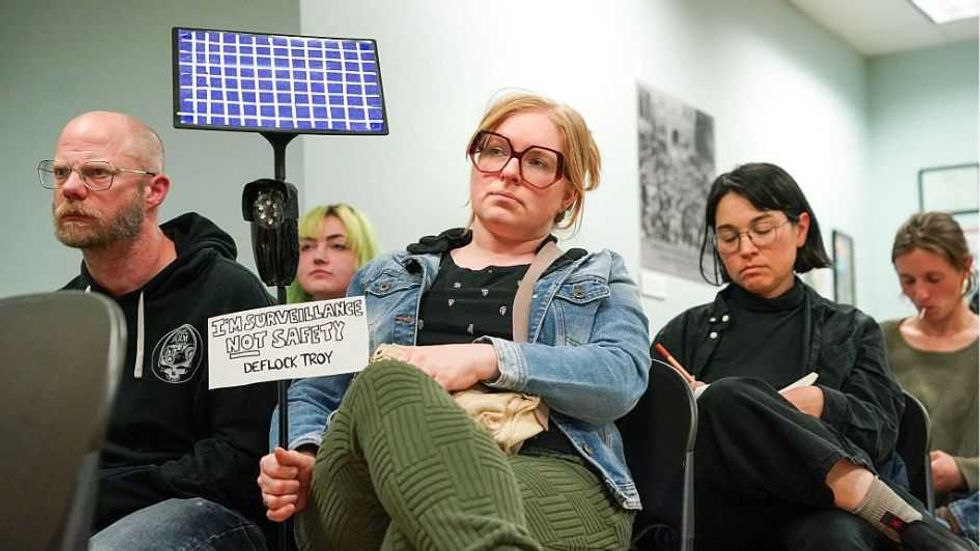
Image via TheBlaze
License-Plate Readers Are Spreading Fast, and One Bad Hit Can Ruin Your Day
A story out of TheBlaze highlights a nightmare scenario: a driver in a manufacturer-provided press vehicle ends up surrounded by police because a license-plate reader misidentified a temporary plate. That’s not science fiction. It’s what happens when automated surveillance gets deployed faster than the accountability systems that are supposed to keep it honest.
Tools like Flock and other plate-reader networks get sold as “crime-fighting,” and in many cases they do help recover stolen cars and catch repeat offenders. But the economic consequence is the part nobody wants to price in: false positives create real costs. You lose work hours, you risk an escalation, you rack up legal fees, and your reputation can take a hit for something a database guessed wrong.
This also lands right on property values. Neighborhoods want safety, but they don’t want to feel like they’re living inside a constant scan. If citizens start believing every drive to church, school, or the job site is logged and searchable, trust erodes. And when trust erodes, communities fragment and commerce slows down—because people stop showing up, stop investing, and stop believing the system is on their side.
🏛 Wade's Take: I’m pro-law enforcement and pro-public safety, but I’m not pro “computer says guilty.” If we’re going to deploy surveillance tech, we need strict audit trails, short retention windows, real penalties for misuse, and an easy way for citizens to challenge bad data. The free market can’t function when ordinary people feel like they’re one glitch away from a squad car and a lawyer bill.
📎 TheBlaze
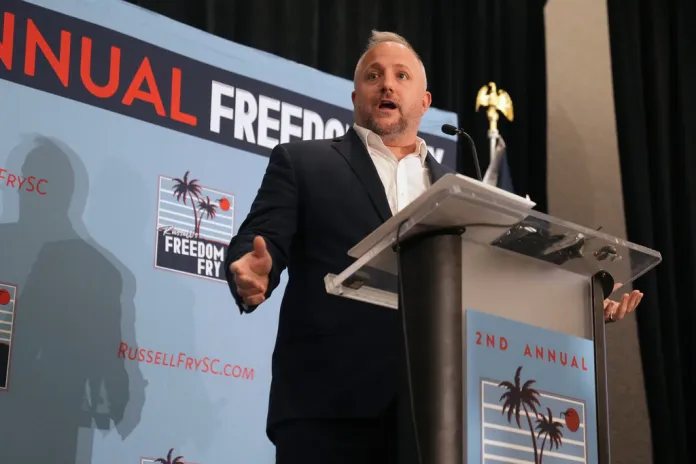
Image via Washington Examiner
Russell Fry Jumps In for Lindsey Graham’s Seat as South Carolina Braces for a Big Primary
South Carolina politics just got real. Rep. Russell Fry announced he’s running in the Aug. 11 primary to fill the Senate seat left vacant by the late Sen. Lindsey Graham. The Washington Examiner reports Fry is making the case that the state needs a new voice, and he’s stepping into a race that’s going to draw serious attention and serious money.
For South Carolina businesses and property owners, Senate races aren’t just about speeches and slogans. They’re about committee power, federal permitting, port and infrastructure priorities, defense spending, and the tone a state sets for investment. A competitive primary can sharpen policy, but it can also turn into a donor arms race that rewards the best viral clip instead of the best governing plan.
The practical question voters should ask every candidate is: how will you lower the cost of doing business here without selling out our values? That means tax policy that encourages expansion, energy policy that keeps power reliable and affordable, and a regulatory mindset that treats small businesses like the backbone they are—not like a piggy bank or a punching bag.
🏛 Wade's Take: South Carolina doesn’t need a senator who just talks tough; we need one who can count votes, win fights that matter, and protect the conditions that keep jobs and capital flowing into this state. Fry should be judged on whether he can pair conservative principles with grown-up execution: budgets, energy, borders, and a serious pro-business posture. The next senator has to help South Carolina keep winning, not just keep trending.

Image via National Review
Britain’s New Prime Minister Is Channeling the 1970s, and Businesses Should Be Worried
National Review warns that incoming British prime minister Andy Burnham carries a nostalgia for the 1970s style of economic management—heavy state direction, labor-first politics, and policies that historically squeezed private investment. If that’s the governing template, British business is staring at higher costs, weaker incentives to expand, and a general climate of “permission-based” capitalism.
This matters on our side of the Atlantic more than folks think. The U.K. is a major financial hub, and when a big economy starts signaling hostility to capital, money doesn’t sit still—it moves. That can mean currency swings, changes in cross-border deal flow, and a shifting appetite for risk across global markets. If you own international stocks, hold global funds, or watch the IPO pipeline, you know London’s mood can ripple.
There’s also a lesson here for American conservatives: you can’t regulate and tax your way into prosperity. Countries don’t become competitive by treating employers like villains. They become competitive by rewarding production, protecting property rights, and letting entrepreneurs take swings without getting kneecapped by politics.
🏛 Wade's Take: When politicians romanticize the 1970s, I hear “stagnation with a side of bureaucracy.” Capital goes where it’s respected, and talent goes where it can build. If Burnham pushes business-starving policy, the smart money will look for exits, and regular working families will pay the price through fewer jobs and higher costs.
That’s the Monday board. Keep your eyes on who’s fighting whom, where the rules are shifting, and where the money’s going next. See you tomorrow.
— Wade Lawson