Sponsored By:
Fierce Investor's research team has spotted unusual activity on a NASDAQ stock flying under the radar — and their briefing drops in 48 hours. This could be one of the biggest potential breakout setups of the next 21 days.
Don't wait until it goes wide. Get the full briefing delivered straight to your inbox — before everyone else does.
Get the Free Briefing NowBy clicking the button above, you are automatically subscribing to Wealth Creation Investing in partnership with Fierce Investor. We respect your privacy. Unsubscribe at any time. Wealth Creation Investing Privacy Policy | Fierce Investor Privacy Policy
Neither Wealth Creation Investing nor Fierce Investor is a registered investment adviser or broker-dealer. This content is for informational purposes only and is not personalized investment advice. Past performance does not guarantee future results.

Wednesday, November 18, 2026: What the headlines mean for small business, markets, and the America we want to leave our kids.
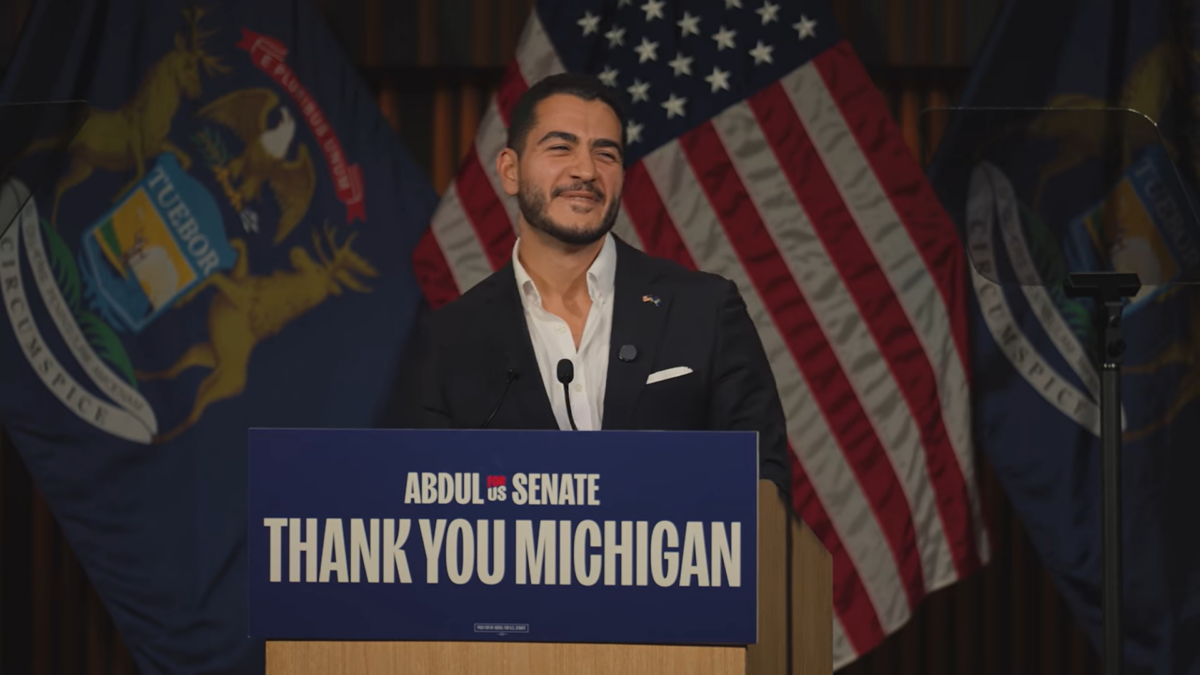
Image via The Federalist
Democrats Bet On Identity Coalitions Over Working Americans
The Federalist argues the Democratic coalition is evolving into something more radical and less rooted in everyday American life: a marriage of aggressive identity politics with a cultural style that performs empathy while demanding conformity. The piece frames it as a potent alliance because it blends moral certainty, grievance politics, and institutional power across media, nonprofits, and academia.
From an economic angle, the danger isn’t just cultural theater. It’s policy drift: more speech policing in the workplace, more rules that hit employers first, and more permission structure for “equity” mandates that show up as compliance costs, hiring risk, and endless HR bureaucracy. When politics becomes a permanent grievance engine, you don’t get predictable rules for investment; you get arbitrary enforcement and public shaming campaigns that make boards and lenders skittish.
If you own property or run a payroll, you can feel where this goes: cities run “compassionate” governance into disorder, then try to tax and regulate their way out of it. Capital moves. Employers move. Families move. And the folks left behind get sold slogans instead of opportunity.
🏛 Wade's Take: If your whole political strategy is dividing Americans into ever-smaller tribes, don’t act surprised when the economy turns into a low-trust mess. Small businesses don’t invest into chaos, and working families can’t build a future in a culture that treats them like villains. Conservatives should keep offering the grown-up alternative: safe streets, honest work, equal treatment, and a government that knows its limits.
A Senator’s Nike Stunt Shows You How Politics Tries To Run Business
The Daily Wire reports incoming Democratic Senator Scott Colom of Mississippi urged Nike to “do the right thing” and give away a pair of his favorite shoes to the top graduating senior at every high school in the state. It’s a strange request on its face, but it’s also a familiar move: politicians leaning on major corporations for performative “wins” that generate headlines without passing a bill.
There’s a deeper pattern here that business owners recognize immediately. When politicians start publicly directing private companies, it’s rarely about shoes. It’s about normalizing the idea that a politician can use prestige and pressure to turn corporate balance sheets into quasi-public tools. Today it’s a giveaway. Tomorrow it’s a demand to fund this “initiative,” stop selling that product, adopt this policy, or punish that group.
And it’s not free. Somebody pays for it. Shareholders pay, customers pay, or workers pay. In the real world, “corporate generosity” becomes higher prices and tighter margins, and the folks who can least afford it get hit first.
🏛 Wade's Take: If Senator Colom wants scholarships or awards, write a bill, raise private donations, or cut waste and fund it transparently. Don’t build a career off nudging CEOs to play Santa while you pretend it didn’t cost taxpayers and families a dime. Conservatives should be the party that says government makes rules fairly, and businesses compete and serve customers, period.

Image via The Blaze
Ukraine Lands A Logistics Punch, And Putin Walks Into A Tougher Meeting
The Blaze notes that just days before President Donald Trump is set to meet Vladimir Putin and Xi Jinping in China, Ukraine delivered a logistical blow to Russian forces occupying Crimea. The point isn’t just the battlefield headline; it’s timing. When supply lines get squeezed, negotiating posture changes fast.
Markets should pay attention because every shift in the Russia-Ukraine theater echoes into energy prices, shipping insurance, and defense spending. Anything that tightens Russian operations can increase uncertainty around Black Sea routes and regional exports, which shows up in commodities and inflation expectations. For the U.S., it also affects how allies read American resolve and how adversaries price risk.
A tougher road for Putin can cut two ways. It can make him more willing to deal, or it can make him more reckless. Either way, Trump walking into a summit after a meaningful change on the ground means leverage matters more than speeches.
🏛 Wade's Take: Diplomacy without leverage is just expensive conversation, and leverage is built with hard power and clear red lines. If Ukraine can degrade Russia’s logistics, that changes the math, and Trump should use that moment to press for outcomes that reduce long-term risk to American interests and global energy stability. Peace is the goal, but a stable peace requires the bad actors to believe the costs are real.
Image via Washington Examiner
The D.C. Tax Fairy Tale: They Already Tax Plenty, They Just Spend Worse
The Washington Examiner takes aim at the popular talking point that Washington, D.C. “doesn’t tax the rich,” calling it a myth pushed by activists and echoed by friendly media. The column argues the tax burden is already significant and that the real story is how politicians frame every budget problem as a revenue problem instead of a spending and accountability problem.
Here’s what any business owner knows: you can always raise revenue if you promise the moon, but you can’t raise trust if your results don’t match the bill. In high-tax jurisdictions, you often get the worst trade: high costs, slow permitting, and rising disorder. That combination punishes property values and drives businesses to friendlier states, which then shrinks the base and starts the doom loop.
The “tax the rich” drumbeat also ignores mobility. Capital is not a captive audience anymore. People with means move, companies re-domicile, and investment goes where rules are stable and returns aren’t confiscated by ever-changing political moods.
🏛 Wade's Take: The problem in D.C. isn’t that the tax code is too gentle; it’s that politicians can’t stop spending other people’s money while delivering worse outcomes. If you want growth, you don’t punish investment and then act shocked when jobs and talent leave. Conservatives should keep the argument simple: predictable taxes, restrained spending, and measurable results.

Image via NTD
Iran’s Worker Protests Are A Reminder: Regimes Crack Down, Risk Spills Over
NTD reports that hundreds protested in Abdanan, Iran, after a deadly bus crash killed 13 workers. According to Iranian media, the demonstration followed public anger over the incident and the conditions surrounding it. Even when a protest starts with local grief, in a place like Iran it can quickly become a referendum on corruption, neglect, and the broader legitimacy of the regime.
For investors and business owners watching the region, the key issue is instability risk. Domestic unrest can prompt crackdowns, interruptions, and diversionary aggression abroad. When Tehran feels pressured at home, history says it may posture externally, which can rattle oil markets and insurance costs across the Gulf.
None of this means a single protest will topple anything tomorrow. But it’s a signal: the Iranian people live under a system that often treats workers as expendable, and that kind of governance eventually generates blowback. The timing and scale of that blowback is what markets struggle to price.
🏛 Wade's Take: Iran’s regime stays in power by controlling information and crushing dissent, not by delivering dignity and competence for ordinary people. When you see workers dead and citizens angry, you’re looking at the human cost of authoritarian rot, and it matters because rot eventually turns into regional instability. America should stand with the Iranian people and stay strong on energy policy at home so we’re not hostage to Tehran’s next tantrum.
📎 NTD
I’m Wade Lawson. Build real things, keep your powder dry, and don’t let Washington’s narratives override your common sense.
— Wade Lawson