Sponsored By:
Nuclear energy stocks surged 40%+ this year as the next buildout cycle accelerates toward 2026. One uranium producer just generated nearly $200 million in quarterly free cash flow, while other nuclear companies locked in massive government contracts—all driven by real earnings and exploding demand as U.S. capacity is projected to triple.
Our analysts identified 7 nuclear stocks positioned to capitalize on this trend right now. Some offer explosive upside tied to uranium prices, others provide steady growth from infrastructure contracts. Get the complete list with names and tickers free today—but this report moves behind the paywall soon.
Get the Free ReportBy clicking the link above, you will get this free report and a free subscription to MarketBeat's daily email newsletter. You are also agreeing to the terms of our privacy policy. Unsubscribe at any time.

Five stories, one lens: who’s trying to control the narrative, who’s trying to control the courts, and what it all means for markets, security, and the kind of country we’re handing our kids.
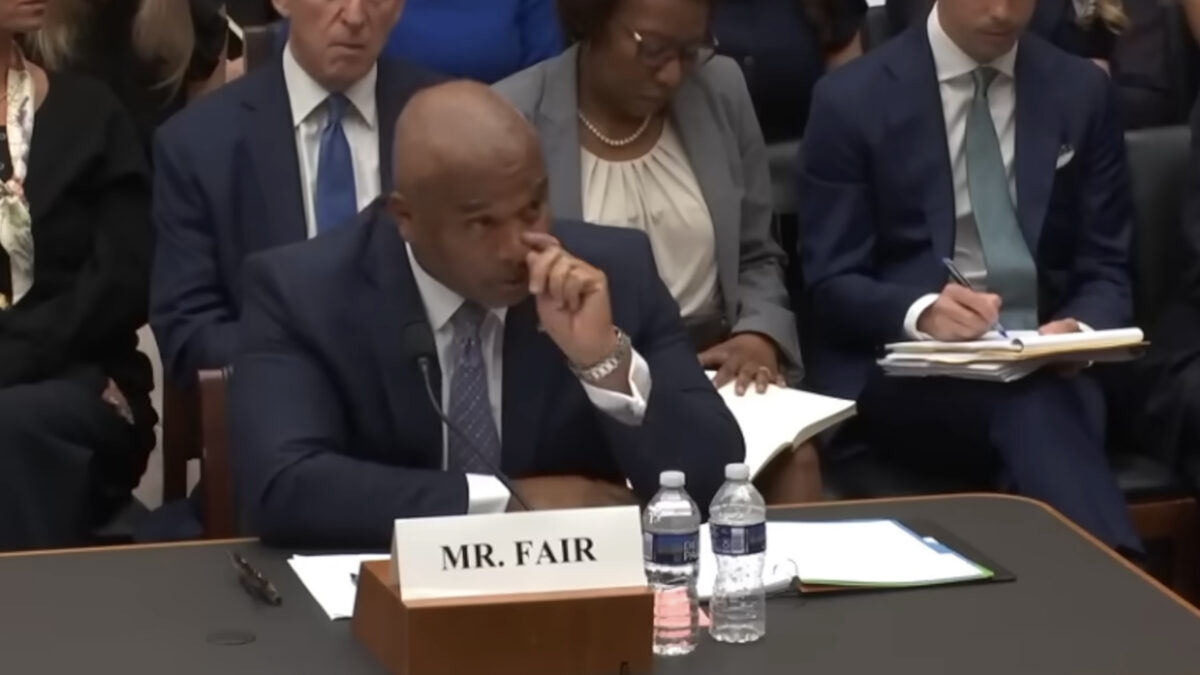
Image via The Federalist
DOJ Shrugs Off SPLC ‘Vindictive Prosecution’ Cry — And That Tells You Plenty
Federal prosecutors filed a brief pushing back on claims of “vindictive prosecution” raised with help from the Southern Poverty Law Center. The government’s posture wasn’t hand-wringing or apologetic — it was basically: the court doesn’t need to waste time dissecting the defendant’s accusations.
That tone matters. Whether you trust DOJ or not, this is what institutional confidence looks like: tight filing, minimal drama, and a bet that the judge will treat the allegations as noise. In today’s politics, “lawfare” is a two-way street, and you’re watching each side try to frame the other as the real abuser of the system.
For normal Americans trying to build something — sign leases, borrow money, hire people — the takeaway is that the legal environment keeps getting more politicized and more expensive. When institutions start treating reputational warfare as a standard tactic, the cost isn’t just headlines; it’s higher risk premiums everywhere, from insurance to lending to doing business in the wrong zip code.
🏛 Wade's Take: When the DOJ says, in plain English, “we’re not playing this game,” it’s either a sign the case is strong or a sign the institution has gotten used to ignoring legitimate accountability. Either way, the bigger problem is the precedent: politics has trained everyone to litigate in public first and in court second. That’s bad for confidence, bad for rule of law, and bad for investment.
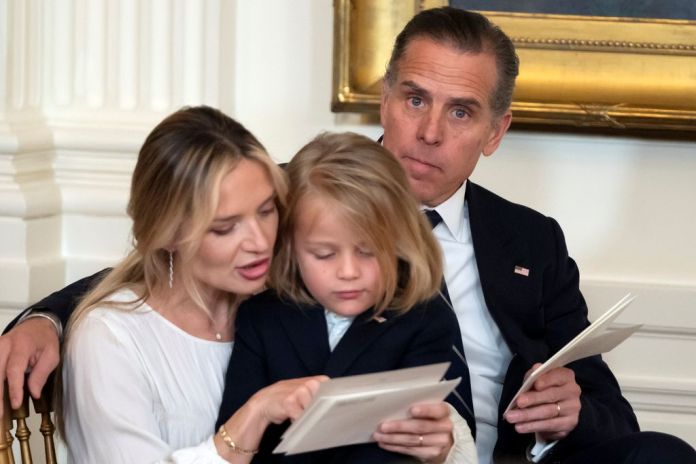
Image via Washington Examiner
Hunter Biden’s New PR Push: Viral Fame as Reputation Laundering
Hunter Biden is back in the spotlight with a media blitz aimed at reshaping how the public sees him — leaning into personal drama that used to be a liability for his father. The strategy is familiar: if you can’t erase the past, flood the zone with a new storyline and dare people to care.
In a normal company, “brand rehab” costs real money and it usually comes with a new product, a new mission, or at least a measurable turnaround. In politics, you can sometimes substitute attention for accountability and call it progress. And the modern media machine helps, because controversy drives clicks, and clicks pay.
This kind of campaign isn’t just gossip; it’s a reminder that elites increasingly operate in a different economy than the rest of us. Most small business owners can’t out-market a bad balance sheet. But political families can try to out-content a bad record, and the public is expected to treat that as closure.
🏛 Wade's Take: If you’re betting on viral media to fix a credibility problem, you’re not fixing anything — you’re just changing the channel. The market punishes businesses that ignore hard numbers; politics should punish public figures who ignore hard facts. Conservatives ought to demand the same standard we demand in lending and leasing: explain the risks, disclose the truth, and stop selling sizzle as steak.
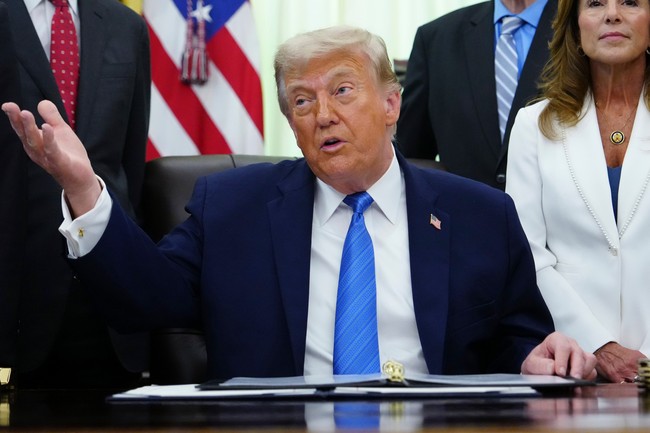
Image via RedState
‘No Kings’ Crowd Meets a Reality Check — The Media Finally Prints What Regular Folks Already Know
A media column took a sharp run at the “No Kings” crowd, and the reaction tells the story: a movement that talks like it’s anti-elite often behaves like it’s entitled to run the country without being questioned. When somebody writes plainly about that contradiction, it hits a nerve.
Here’s the broader dynamic: a lot of modern activism is built on slogans that sound moral but translate into raw power plays. They don’t want “no kings” — they want their kings. They don’t want decentralization; they want the right people in charge of the centralized system.
For the rest of us, the stakes aren’t abstract. When politics becomes a constant legitimacy fight, investors demand higher returns for the same risk, businesses delay expansion, and property owners hesitate on capital projects. Instability isn’t free — it shows up in higher financing costs and weaker local growth.
🏛 Wade's Take: I’m a simple man on this: if you want less concentrated power, then stop cheering when your side grabs more of it. The “No Kings” rhetoric falls apart the minute it runs into a paycheck, a mortgage rate, and a local budget that can’t survive constant political tantrums. Grown-ups should want boring, accountable governance — not permanent revolution.
📎 RedState
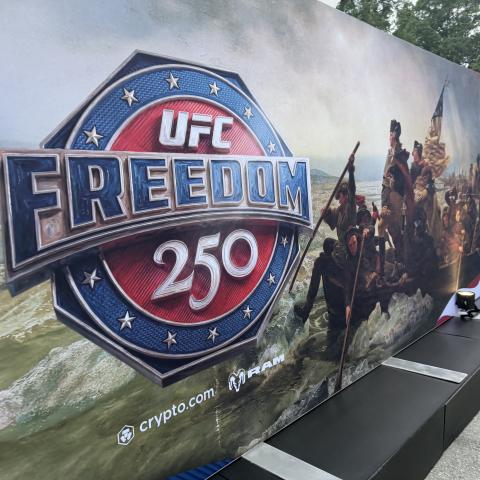
Image via Just the News
FBI Says It Stopped a Drone-and-Sniper Attack Plot on a Major UFC Event — Welcome to the New Threat Landscape
Officials say the FBI disrupted an alleged terror plot targeting a UFC 250 event, involving drones and snipers. FBI Director Kash Patel described the planned attacks as being stopped “cold,” underscoring how serious and operational the threat was portrayed to be.
The specifics matter because the method matters. Drones aren’t science fiction anymore — they’re cheap, accessible, and capable of causing real damage in crowded venues. Add in coordinated ground threats and you’re looking at a security problem that forces event operators, insurers, and local law enforcement to rethink everything from perimeter control to airspace monitoring.
This is also an economic story. If big gatherings become more expensive to secure, costs flow downhill: higher ticket prices, higher venue security spend, higher premiums, and more pressure on city resources. The public wants freedom and normal life — but normal life requires serious, competent security that doesn’t treat threats as politics.
🏛 Wade's Take: You can’t run a country like a social experiment and then act shocked when bad actors exploit the gaps. We need hard borders, real intelligence work, and consequences that deter—not press conferences that soothe. Security is the first business climate: without it, nothing else pencils out.
Image via Associated Press
Iran Signals ‘End of War’ Terms That Sound Like a Permanent Regional Power Grab
An Iranian official said any end of the war would include an end to what Iran calls Israel’s occupation of Lebanon, according to Iranian state TV reporting cited by the Associated Press. The statement lands in a region already on edge, and it reads less like a peace offering and more like a set of political demands meant to reshape the map.
Markets don’t wait for diplomats. When Middle East risk rises, energy prices sniff it out fast, shipping insurance reprices, and global equities wobble — especially anything tied to fuel, transport, and industrial inputs. Even if barrels don’t disappear overnight, the risk premium alone can hit families at the pump and businesses on delivery costs.
For American households and employers, this isn’t a distant chess match. Higher oil bleeds into everything: construction materials, fleet costs, food distribution, and monthly budgets. And every time adversarial regimes learn they can gain leverage through chaos, they do it again — because it works.
🏛 Wade's Take: Peace talks that start with “here’s what we’re taking” aren’t peace talks — they’re a shakedown with better vocabulary. The U.S. should be crystal clear about deterrence and energy security, because inflation has a foreign policy component whether Washington wants to admit it or not. If you want stable prices and stable lives, you don’t reward destabilizers.
That’s the roundup. Keep your head on a swivel, your debt manageable, and your portfolio positioned for the world we’ve got — not the one cable news pretends we’re living in. — Wade Lawson, The Local Conservative
— Wade Lawson