Sponsored By:
While other sectors stall, AI investment is accelerating — showing up in earnings calls, corporate budgets, and real-world deployment. Capital is quietly concentrating around companies with clear demand and long-term relevance, and selective opportunities are forming right now.
A new research brief identifies 2 AI stocks trading under $15 that may be positioned for the next phase of growth — including key developments that could move these names in the months ahead.
Get the Free AI Stocks ReportBy following the link above, you're choosing to opt in to receive insightful updates from Investing Ideas Daily + 2 free bonus subscriptions! Your privacy is important to us. You can unsubscribe anytime. See our privacy policy for details.

From courtroom guardrails to foreign oil targets, today’s headlines all point to the same truth: politics always shows up in your balance sheet.
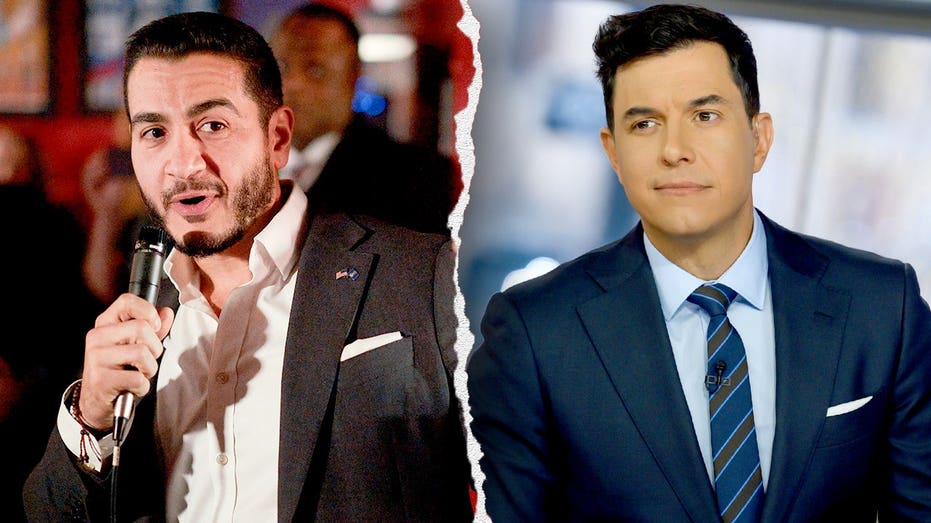
Image via Fox News
El-Sayed Melts Down When Pressed on Muslim Brotherhood Questions
Abdul El-Sayed tangled with NBC’s Tom Llamas after insisting he has no family ties to the Muslim Brotherhood, even as public posts attributed to his half-sister suggest otherwise. When Llamas kept pushing for clarity, El-Sayed reportedly grew visibly agitated rather than calmly laying out a clean timeline and a clean denial.
This matters because voters aren’t just judging a man’s faith; they’re judging his judgment, his transparency, and whether he can handle heat without going sideways. In business, when a lender or a tenant’s attorney presses you on an issue, you don’t get indignant and huffy. You answer precisely, you document, and you close the loop.
If you want to lead in public life, you don’t get to demand “trust me” while the receipts are floating around online. Either the posts are misrepresented and you can explain that clearly, or they’re accurate and you can disavow them clearly. Anything in between reads like evasive footwork, and voters are tired of it.
🏛 Wade's Take: When a politician can’t handle a basic line of questioning without getting rattled, I assume there’s more under the hood than he’s willing to show. If there’s truly nothing there, you answer, you denounce any extremist ties outright, and you move on. Markets price uncertainty as risk, and voters do the same.
📎 Fox News
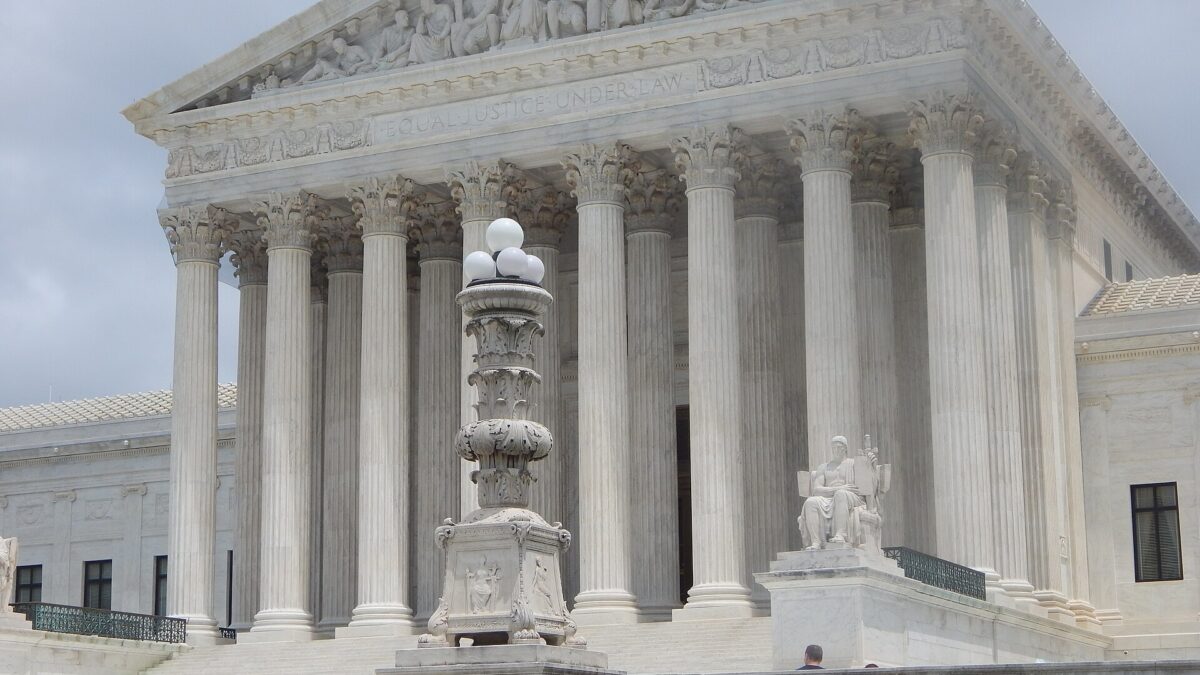
Image via The Federalist
Supreme Court Tells the Bench: Quit Trying to Run Congress’s Ad Policy
Republicans scored another Supreme Court win in the ongoing fight over low-cost advertising rates, with the court reinforcing a separation-of-powers line a lot of Americans forgot existed. The core message: the judiciary doesn’t get to micromanage how a coordinate branch operates, even if activists dress it up as a “fairness” dispute.
This isn’t a small procedural squabble. Political ad rules shape who can afford to communicate, how campaigns allocate budgets, and which media platforms get paid. When courts start steering that ship, you don’t just get legal uncertainty; you get a distorted market where politically connected players can game the system through litigation instead of persuasion.
If you’re a small business owner reading this, you understand the principle immediately: rules should be set by the people elected to set them, and they should be stable enough that you can plan. Constant meddling from the bench is like a regulator rewriting your lease mid-term because they don’t like the optics of your rent roll.
🏛 Wade's Take: I’m glad the court is defending the guardrails. You can’t run a constitutional republic if every policy fight turns into a judge-shopping contest. Stability is a pro-growth policy, and separation of powers is one of the oldest stability mechanisms we’ve got.

Image via Washington Examiner
Ukraine Hits Russian Refineries Again, and Energy Markets Take the Message
Ukraine launched new attacks on Russian oil refineries after a brief pause tied to an energy ceasefire unilaterally declared by President Trump. The strikes signal that whatever the diplomatic language says, the operational reality is still about degrading Russia’s ability to fund the war and process crude into usable fuels.
Refinery hits aren’t symbolic; they’re economic warfare. Take refining capacity offline and you squeeze supply chains, raise insurance costs, force rerouting, and introduce price volatility that shows up in diesel, jet fuel, and shipping. That eventually hits contractors, farmers, truckers, and every property owner watching operating expenses climb.
The bigger point is this: “truce” announcements don’t automatically calm markets if the players on the ground aren’t aligned. Investors will price the risk based on what gets blown up, not what gets said at a podium.
🏛 Wade's Take: If you want lower energy prices and calmer inflation, you need enforceable agreements, not just statements. I’m not interested in endless foreign wars, but I’m also not naive about what refinery strikes do to the cost structure of the real economy. Expect more volatility in energy and transportation until the incentives change or the enforcement does.

Image via New York Post
Florida Lefty Says She’s Not Anti-Prison—Because She Wants Her GOP Rival in One
Democratic Socialists-backed Florida Senate hopeful Angie Nixon drew attention by saying she doesn’t oppose prisons because she wants her Republican opponent, Sen. Ashley Moody, “locked up.” The comment landed like a political brick: less about policy reform, more about personal punishment.
This is the modern left in a nutshell. One minute it’s “abolish the system,” the next minute it’s “use the system on my enemies.” That kind of talk doesn’t cool down political temperatures; it pours gasoline on them, and it signals to activists that power is for retribution, not governance.
For business owners and investors, that posture is a flashing red light. Places that normalize weaponized politics tend to normalize weaponized regulation, selective enforcement, and headline-chasing prosecutions. And that kind of environment is poison for long-term investment, property values, and job growth.
🏛 Wade's Take: I’ve negotiated plenty of hard deals, but I’ve never confused competition with vengeance. If you’re running on “lock them up,” you’re telling me you care more about settling scores than fixing budgets, crime, or insurance costs. Florida needs grown-ups who understand law enforcement isn’t a campaign prop.

Image via Just the News
MOAB Talk Over Iran Raises the Stakes for Oil, Defense, and Deterrence
Reports say potential new strikes on Iranian energy infrastructure and nuclear-related sites could involve the GBU-43/B Massive Ordnance Air Blast bomb, better known as the MOAB. Sources also raise questions about how effective it would be against hardened or deeply buried targets, which matters because effectiveness determines whether escalation ends a problem or multiplies it.
Any serious strike scenario involving Iran carries immediate market consequences. Iran sits in the middle of global energy anxiety, shipping risk, and regional proxy networks. When you threaten energy infrastructure in that neighborhood, you’re also threatening price stability for crude, gasoline, petrochemicals, and the broad inflation picture that the Fed watches like a hawk.
There’s also a second-order effect: defense spending expectations. Escalation talk tends to lift certain defense names, but it can also tighten financial conditions if energy spikes push yields up. For Main Street, that’s fewer refinancing windows and higher borrowing costs—exactly the environment that breaks marginal businesses and stresses commercial real estate.
🏛 Wade's Take: Deterrence only works if it’s credible and strategic, not theatrical. If you’re going to strike, it has to actually set back capability and reduce future risk, otherwise you’re just buying a bigger problem at a higher oil price. Conservatives should demand clarity: mission, exit, and the plan to keep energy markets from punishing American families and employers.
That’s the roundup. Keep your eyes on energy, the courts, and any politician who can’t answer a straight question—those are the folks who cost you money.
— Wade Lawson