Sponsored By:
While other sectors stall, AI investment is accelerating — showing up in earnings calls, corporate budgets, and real-world deployment. Capital is quietly concentrating around companies with clear demand and long-term relevance, and selective opportunities are forming right now.
A new research brief identifies 2 AI stocks trading under $15 that may be positioned for the next phase of growth — including key developments that could move these names in the months ahead.
Get the Free AI Stocks ReportBy following the link above, you're choosing to opt in to receive insightful updates from Investing Ideas Daily + 2 free bonus subscriptions! Your privacy is important to us. You can unsubscribe anytime. See our privacy policy for details.

Wednesday, August 5, 2026: Follow the incentives, follow the money, and you’ll usually find the truth.
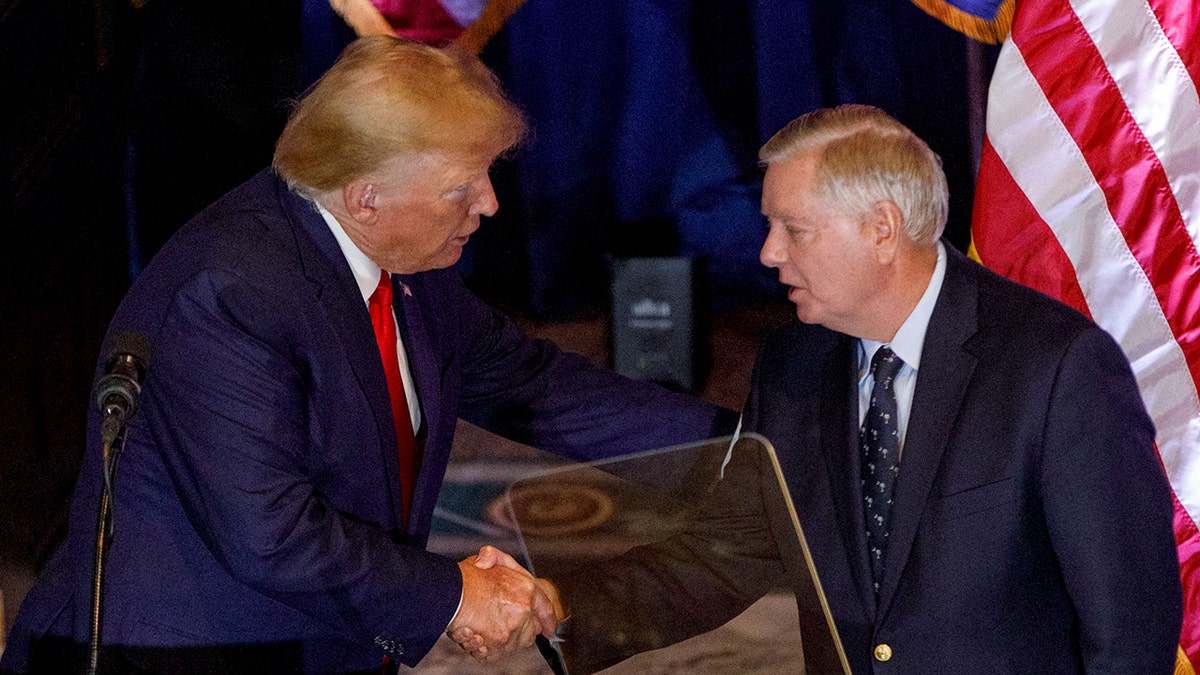
Image via Fox News
Pence Wants Congress to Finish the Job: Sanction Putin’s Shadow Fleet and Choke Off War Cash
Former Vice President Mike Pence is urging Congress to push through the Lindsey O. Graham Sanctioning Russia and Iran Act, arguing it’s time to tighten the screws on the machinery that funds Putin’s war. The focus is not just on headlines and speeches, but on the plumbing: the shadow fleet moving oil, the middlemen helping sanctions evasion, and the export revenues that keep the Kremlin’s war budget humming.
From an economic standpoint, sanctions only work when they hit the real cash flows and close the loopholes. If you leave a back door open for shipping insurers, shell companies, and friendly ports to keep Russian barrels moving, then you’re basically running a leaky blockade while pretending you’re being tough. This bill is designed to make evasion expensive and risky, and that matters because markets respond to enforcement, not press releases.
Congress also needs to think through second-order effects: energy markets, refinery inputs, shipping rates, and how allies handle enforcement. If Washington wants a sustained pressure campaign, it has to be credible enough that private actors change behavior, even when the price action gets uncomfortable.
🏛 Wade's Take: I’m all for peace, but peace comes from leverage, and leverage comes from hitting the revenue streams that keep the guns firing. If Congress is going to sanction, do it like you mean it: target the shadow fleet, target the facilitators, and enforce it hard enough that banks and shippers don’t treat it like a paperwork nuisance. And while we’re at it, let’s expand domestic energy capacity so American families aren’t the ones paying the hidden tax when global supply tightens.
📎 Fox News
Michigan Dem Primary: The Left Eats Its Own as El-Sayed Surges Past Stevens
In Michigan’s Democratic primary drama, Breitbart reports Abdul El-Sayed is positioned to cruise past Rep. Haley Stevens, another sign the Democratic Party’s internal gravity keeps pulling toward the activist left. The framing is familiar: insurgent energy versus establishment incumbency, with the activists demanding ideological purity and the party apparatus trying to keep a lid on it.
For conservatives and business owners, what matters is not the soap opera but the policy direction that comes with these candidates. When the party’s energy comes from the most aggressive wings, you tend to see more hostility toward fossil fuels, tougher mandates on employers, and a regulatory mindset that treats private enterprise like a problem to be managed. That has real implications for manufacturing states like Michigan and for anyone with payroll to meet.
Investors should also pay attention to what this means for sectors: healthcare, energy, autos, and anything tied to permitting and compliance. A party that’s accelerating toward “government first” tends to create winners and losers by rulemaking, not by innovation.
🏛 Wade's Take: When Democrats pick candidates who treat the private sector like a piggy bank, the bill always lands on working families and small businesses. If El-Sayed’s surge is real, expect more pressure for mandates, higher costs, and a louder push for centralized control dressed up as compassion. Conservatives need to treat these primaries as early warning signals, because by the time the general election rolls around, the economic damage is already written into the platform.

Image via The Federalist
No More Medicare Part D Backdoor Bailouts: A Win for Taxpayers and Honest Pricing
The Federalist argues the Trump administration was right to end a Medicare Part D insurer bailout that, in their telling, was temporary, extralegal, and far more expensive than advertised. The core claim is straightforward: subsidies were quietly propping up insurer outcomes in a way that distorted the program’s true cost and let policymakers pretend the math was better than it was.
If you’ve ever run a business, you know what happens when losses get papered over instead of addressed: the problem grows, and the incentives get worse. In insurance markets, bailouts can encourage underpricing risk, aggressive bidding, and a culture of “we’ll get made whole later.” That might make the spreadsheet look good for a news cycle, but it pushes the real cost onto taxpayers and future beneficiaries.
Medicare Part D is too important to be treated like a political slush fund. If the program needs reform, then Congress should legislate reform in daylight, not rely on administrative workarounds that hide the bill.
🏛 Wade's Take: I don’t mind a safety net, but I do mind a shell game. If insurers can’t price Part D plans honestly without a quiet subsidy, then the program needs transparent reform, not an off-the-books patch that protects bad incentives. Ending bailouts is how you restore reality to the balance sheet, and reality is where responsible budgeting starts.

Image via National Review
The $7 Billion Afghanistan Weapon Giveaway: Biden’s Tab Still Isn’t Paid
National Review revisits the aftermath of the Afghanistan withdrawal and the massive stock of U.S. weapons left behind, now in Taliban hands. The point isn’t nostalgia or Monday-morning quarterbacking; it’s that the consequences are ongoing. Weapons don’t vanish after a bad decision. They move, they get traded, and they show up in places that make the next conflict deadlier.
From a national security perspective, leaving materiel to an enemy is the definition of compounding interest in the wrong direction. From a fiscal perspective, it’s also a giant write-off of taxpayer-funded assets. Meanwhile, the defense industrial base has to replace what was lost, and Washington will eventually ask for more appropriations while refusing to admit what created the demand.
There’s also a credibility cost that affects markets and alliances. When U.S. commitments look sloppy, risk premiums rise, supply chains get jittery, and adversaries test boundaries. That’s not theory; it’s how the real world prices uncertainty.
🏛 Wade's Take: You can’t run a hardware store by handing inventory to the guy who threatens your customers, and you can’t run a country that way either. Leaving billions in weapons behind wasn’t just incompetent, it was an accelerant for future violence and a direct insult to taxpayers who funded the equipment. If Washington wants to regain credibility, it starts with owning the mistake and changing the decision-making culture that allowed it.
ICE Roundups Net Two Convicted Murderers: Enforcement That Shouldn’t Be Controversial
Townhall reports that ICE arrested two convicted murderers in its latest enforcement actions. This is the kind of story that should unify the country: removing dangerous criminals from our communities is the baseline job of government.
But we’re living in a time when routine enforcement gets treated as political theater, and when officials sometimes act like the only humanitarian posture is to look the other way. That posture has a cost. It shows up in higher local policing burdens, strained county jails, increased insurance losses, and reduced quality of life that hits property values and small businesses first.
A safe community is an economic asset. When customers don’t feel safe, foot traffic declines, tenants hesitate, and employers have a harder time attracting good workers. This isn’t abstract; it’s what happens on real streets in real towns.
🏛 Wade's Take: If you can’t agree on removing convicted murderers, then you’ve lost the plot. ICE doing its job protects neighborhoods, protects businesses, and protects the law-abiding immigrants who came here the right way and don’t want violent criminals hiding behind a broken system. Secure borders and real enforcement are not mean; they’re the minimum requirement for a functioning country.
📎 Townhall
I’m Wade Lawson. Build something real, keep your books honest, and don’t let Washington’s bad incentives become your problem. See you tomorrow.
— Wade Lawson