Sponsored By:
America's national debt has blown past $40 trillion — and we're adding another trillion every five months. Interest payments alone now top $1 trillion a year, meaning borrowed money is paying interest on borrowed money. Economists call this a debt death spiral, and your retirement savings could be caught in the middle.
A new free report reveals the three ways governments escape a debt spiral, how purchasing power quietly erodes, and exactly how to move a portion of your savings into a financial safe haven before it's too late. No cost. No obligation. Delivered to your inbox in minutes.
Get the Free Debt Death Spiral ReportThis is an advertisement from American Alternative Assets. If you no longer wish to receive these promotions, unsubscribe here. American Alternative Assets | 21700 W Oxnard St, Suite 850, Woodland Hills, CA 91367.

Five stories worth your time today, from federal accountability to subscriber perks, crime numbers, midterm politics, and the foreign-policy mess still rippling through markets and morale.
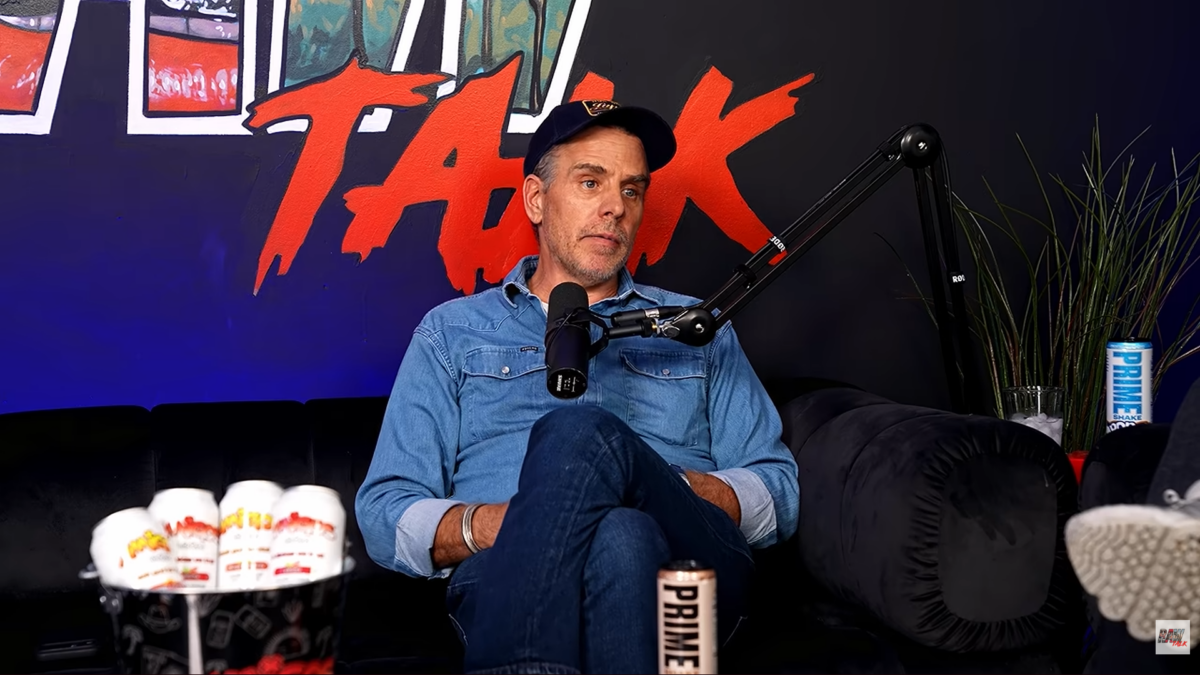
Image via The Federalist
Ex-FBI Brass Charged Over Hunter Biden Testimony: Trust Is a National Asset, Too
Federal prosecutors have charged former FBI officials with lying to Congress about aspects of the bureau’s handling of Hunter Biden-related matters. The core allegation is simple: senior leaders gave lawmakers testimony that didn’t match what investigators and internal records reportedly showed.
When people at the top of a law-enforcement institution get caught shading the truth, it doesn’t just embarrass the agency. It weakens the whole “rules-based” foundation that lets markets function, contracts hold, and citizens cooperate with public institutions.
For regular Americans, this isn’t just cable-news fuel. It influences everything from how juries view federal cases, to how businesses assess regulatory risk, to whether investors start pricing in more political volatility and less confidence in the system.
🏛 Wade's Take: In business, if you misrepresent facts to your lender or your partners, you don’t call it “messy optics” — you call it fraud, and people lose their shirts. If these charges hold up, Congress needs to treat it like a governance emergency: clean house, tighten oversight, and restore the basic expectation that sworn testimony means something. No institution is too important to be held accountable; that’s exactly why it must be held accountable.

Image via TheBlaze
Musk Sweetens X Subscriptions, But the Fine Print Matters More Than the Perks
X is rolling out bigger benefits for subscribers, expanding what started as Twitter Blue into a more layered subscription model with added features and incentives. The pitch is straightforward: pay monthly, get better reach, more functionality, and more tools.
That’s the real business story here. Advertising is fickle, political pressure is constant, and subscription revenue is steadier. If X can convert power users into predictable monthly cash flow, it strengthens the platform’s balance sheet and gives it more independence from ad-boycotts and activist campaigns.
But the rollout comes with a big consumer warning: don’t casually hand sensitive payment details to experimental AI features or anything that isn’t clearly a secure, standard checkout flow. Convenience is great until it turns into a fraud headache and a card replacement on your lunch break.
🏛 Wade's Take: I love a subscription model when it’s honest and tight, because recurring revenue is how you survive down cycles. But as a customer, you’ve got to treat your personal data like cash in your pocket: don’t hand it to anything that hasn’t earned trust. If X wants grown-up money, it needs grown-up security and crystal-clear billing practices.
📎 TheBlaze

Image via Washington Examiner
DOJ Survey Reports Big Crime Drop: Good News, But Keep Your Eyes on the Method and the Street
A Justice Department survey is reporting a “historic” decline in violent crime victimization between 2024 and 2025, along with a drop in property crime victimization. The administration is taking a victory lap and crediting policy choices and enforcement posture.
Any real decline in violence is welcome, period. Crime is a hidden tax: it raises insurance, drives tenants away, kills foot traffic, and forces small businesses to spend money on security instead of hiring or expansion.
That said, surveys and reported-crime stats aren’t the same thing, and national averages can hide local reality. One metro can get safer while another gets worse, and a retailer doesn’t care what a national chart says if they’re still dealing with theft, break-ins, and a nervous staff.
🏛 Wade's Take: If crime is truly falling, that’s a win for working families, neighborhoods, and every small business trying to stay open past dark. But don’t let Washington numbers replace local accountability: measure what’s happening block by block, prosecute repeat offenders, and stop pretending quality-of-life crime is “just part of city living.” Safer streets lift property values and payrolls faster than any press conference ever will.

Image via American Thinker
Democrats vs. Trump’s Record: The Midterm Strategy Looks Like Denial and Distraction
An opinion piece making the rounds argues Democrats are heading into the midterms fuming about President Trump’s record, not because it’s failing, but because it’s landing with voters. The claim is that policy results on the economy, border enforcement, and public order have put the opposition in a corner.
That framing matches a pattern conservatives have seen for years: when results improve, the debate shifts from outcomes to outrage. Voters may not follow every policy detail, but they understand groceries, mortgage rates, and whether their town feels safe.
For investors and business owners, midterms matter because they shape the next two years of regulation, taxes, and permitting. Even a little gridlock can calm markets if it slows down sweeping rule changes, but it can also stall needed fixes if Washington turns everything into theater.
🏛 Wade's Take: A good record is the hardest thing to argue against, so opponents usually try to change the subject. The smart play for conservatives is to keep it concrete: paychecks, prices, safety, energy, and the basics that let families and small businesses breathe. If you can explain your results at the kitchen table, you don’t need to win every media cycle.
The Foreign-Policy Price Tag: Biden, Israel, Gaza, and the Fallout Washington Won’t Own
A veteran journalist’s account argues the Biden White House enabled catastrophic outcomes in Gaza by backing Israel’s actions while failing to set credible limits or pursue workable off-ramps. The piece portrays a Democratic administration as both morally compromised and strategically shortsighted.
However you assign blame, the regional consequences are real: instability affects energy markets, shipping routes, defense spending priorities, and America’s standing with allies and adversaries. The conflict has also intensified domestic political division, which becomes its own kind of risk premium for markets.
Foreign policy isn’t abstract for families and business owners. When the world gets shakier, fuel and freight get more expensive, consumer confidence gets jittery, and capital gets more cautious. That flows straight into hiring plans, construction timelines, and the cost of money.
🏛 Wade's Take: America needs a foreign policy that’s strong, clear, and rooted in national interest, not a muddled mix of moral posturing and open-ended commitments. When Washington can’t define objectives or boundaries, you get mission creep abroad and chaos at home. The end result is always the same: higher costs, weaker credibility, and more danger for the next generation.
I’m Wade Lawson. Keep your head on a swivel, your balance sheet clean, and your politics grounded in what actually works for families, faith, and free enterprise.
— Wade Lawson