Sponsored By:
Policy is already moving markets in 2026 — trade enforcement, regulatory shifts, and tax positioning are redirecting capital right now. Institutions reposition before the headlines catch up, and the window to act early is closing fast.
Our analysts identified 5 stocks showing real momentum tied directly to current administration policy themes — including the sectors benefiting most from domestic investment trends and regulatory tailwinds. Don't get left behind.
Get the Free Report Now(By following any of the links above, you're choosing to opt in to receive insightful updates from The Investment News Daily + 2 free bonus subscriptions! Your privacy is important to us. You can unsubscribe anytime. See our privacy policy for details.)

Wednesday, July 29, 2026. Five stories that matter if you sign the front of the checks, own property, and invest for the long haul.
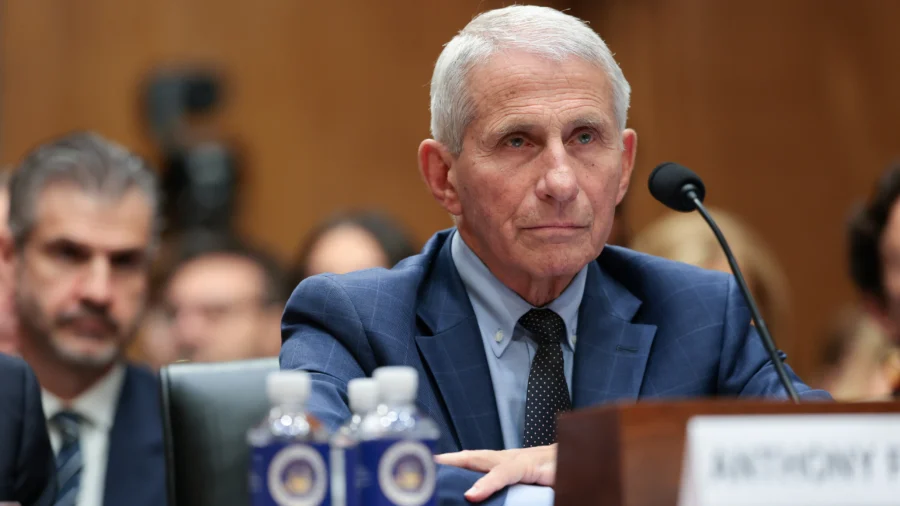
Image via NTD
Fauci Back in the Hot Seat: Accountability Isn’t Optional
Former NIH Director Anthony Fauci testified today before the Senate Homeland Security and Governmental Affairs Committee, and the line of questioning is narrowing toward the same point a lot of Americans have been asking for years: who steered the narrative, and why. An analyst cited in coverage argues Fauci wasn’t just a bystander to the COVID origin debate, but may have had a motive to smother the lab-leak theory to protect institutions, reputations, and funding streams.
For small business owners, this isn’t an academic debate. The origin story shaped policy decisions that shut down Main Street, rewired supply chains, and injected a lasting inflation problem into the economy. If the public health “experts” weren’t transparent, then every future emergency order, mandate, and spending spree deserves even more skepticism.
There’s also a market angle nobody in D.C. likes to admit: when credibility collapses, capital gets more cautious. Investors demand higher risk premiums, insurers tighten terms, and the regulatory state grows bolder because it assumes it can act first and explain later. That’s a recipe for slower growth and a weaker America.
🏛 Wade's Take: If you can’t tell the truth about where a crisis came from, you can’t be trusted with the power you grabbed during it. The economic damage from COVID policy wasn’t an accident; it was the result of incentives that rewarded control, not accountability. Congress needs to follow the money, the emails, and the decisions, then put real guardrails in place so “emergency” doesn’t become a permanent business model.
📎 NTD
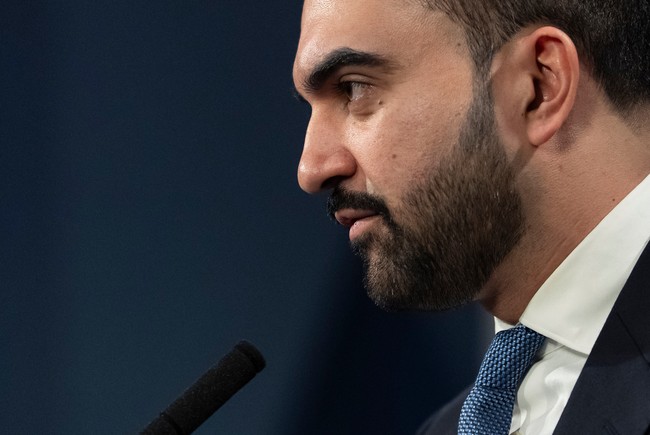
Image via PJ Media
A Clinton World Veteran Sounds the Alarm on Mamdani: It’s About Power, Not Compassion
A longtime figure from the Clinton political orbit is warning that the rise of Zohran Mamdani is essentially an on-ramp to socialism, and not the soft-focus European kind people romanticize. The argument is that the policies and posture being sold as “equity” and “justice” are really about building a political machine that controls housing, labor rules, and private enterprise through mandates and redistribution.
That warning matters because big-city politics doesn’t stay in big cities. It travels through philanthropic networks, federal grants, and party platforms, then lands in statehouses and agencies where it becomes rules that hit landlords, employers, and investors. Once the government decides it can set prices, pick winners, and punish “undesirable” profits, the middle class doesn’t get protected; it gets squeezed.
And make no mistake: real estate is always in the crosshairs. When activists say “housing is a human right,” what they often mean is “your property is our policy tool.” That’s how you end up with punitive rent caps, eviction rules that ignore contract law, and development that stalls because nobody can pencil a deal.
🏛 Wade's Take: I’ve negotiated leases in the real world, not in a grad seminar, and the math doesn’t care about slogans. When you turn markets into political weapons, you don’t get affordability; you get shortages, deferred maintenance, and capital flight. Conservatives need to treat this as an economic security issue, because the fastest way to hollow out a city is to punish the people who build and maintain it.
📎 PJ Media
Detroit’s Lead Claims Meet Reality: Results Matter More Than Résumés
Democratic Senate candidate Abdul El-Sayed is facing scrutiny over claims that he “removed” lead from the water in Detroit elementary schools during his time as the city’s health director. Reporting challenges that narrative, arguing the claims are exaggerated or false and don’t match what actually happened on the ground.
Here’s why this matters beyond one candidate: public health and infrastructure are the kinds of responsibilities where spin can literally harm families. If a politician takes credit for fixing a problem that wasn’t fixed, the urgency disappears, budgets get misallocated, and parents assume their kids are safe when they aren’t. That’s not just politics; that’s malpractice.
From an investor’s perspective, honesty about infrastructure is tied directly to property values and municipal credit. Cities that can’t tell the truth about basics like water systems can’t be trusted to manage tax dollars, permitting, or public safety. And that uncertainty shows up as higher borrowing costs and weaker long-term growth.
🏛 Wade's Take: In my business, if you tell a tenant you fixed the HVAC and you didn’t, you’re not a “visionary,” you’re a liar who’s about to get sued. Candidates shouldn’t get to campaign on imaginary accomplishments, especially when the issue is children’s health. If El-Sayed wants higher office, he ought to start by being precise, verifiable, and accountable.
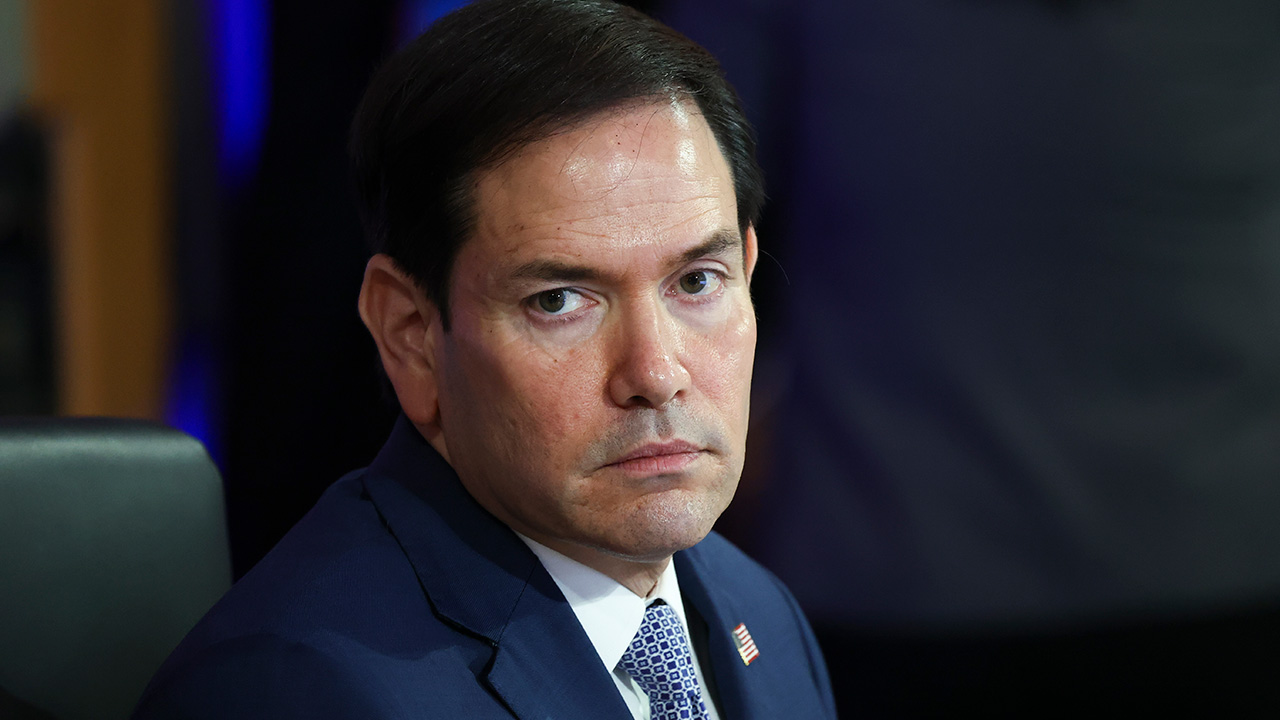
Image via The Daily Signal
Trump Administration Revokes Visas After DUI Arrests: A Simple Standard
The State Department is revoking visas for five foreign nationals arrested for driving drunk on U.S. roads, according to reporting that describes the move as a firm enforcement action. The message is straightforward: being a guest in this country comes with responsibilities, and endangering Americans has consequences.
From a public safety standpoint, this is common sense. DUI isn’t a paperwork violation; it’s a decision that can kill somebody. When government treats it lightly, it signals that rules are optional, and that attitude spreads.
There’s also a broader economic point: stability is a competitive advantage. Communities with safer roads, predictable enforcement, and real consequences for reckless behavior are communities where families want to live and businesses want to invest. That flows right into commercial activity, property values, and local tax bases.
🏛 Wade's Take: If you come to America and you drive drunk, you’ve forfeited the privilege of staying here. This isn’t anti-immigrant; it’s pro-law, pro-safety, and pro-citizen. A country that can’t enforce basic standards can’t protect its economy either.
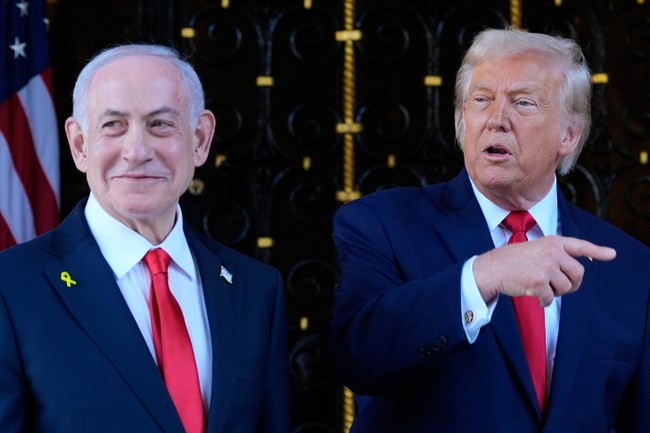
Image via RedState
Netanyahu Hits Back at Mamdani and Talks Trump: Foreign Policy With Real Economic Stakes
Israeli Prime Minister Benjamin Netanyahu pushed back publicly against Mamdani and also spoke about his interaction with President Trump, in a moment that underscores how fast domestic U.S. politics can spill into global alliances. The exchange is more than rhetorical sparring; it highlights a widening gap between pro-Israel, security-first leadership and the activist wing that views America’s allies through an ideological lens.
For investors and business owners, Middle East stability isn’t some distant chess match. It affects energy prices, shipping routes, defense spending, and overall risk sentiment in markets. When U.S. politics flirts with weakening alliances, adversaries take the opening, and volatility shows up everywhere from oil to equities.
Netanyahu’s posture also signals something important: leaders abroad are watching who might run major U.S. cities and shape national narratives. When American politicians normalize hostility toward allies, it doesn’t just change policy; it changes leverage. And leverage is what keeps bad actors honest.
🏛 Wade's Take: I don’t agree with every decision Israel makes, but I do understand this: allies matter when the world gets dangerous. The activist habit of demonizing partners while going soft on adversaries is a strategic and economic mistake. If we want lower risk, steadier markets, and a stronger dollar over time, we need seriousness in leadership, not performative ideology.
📎 RedState
I’m Wade Lawson. Build what you can control, keep your balance sheet clean, and never let politicians gamble with the rules you rely on to earn a living.
— Wade Lawson