Sponsored By:
Nuclear energy stocks surged 40%+ this year as the next buildout cycle accelerates toward 2026. One uranium producer just generated nearly $200 million in quarterly free cash flow, while other nuclear companies locked in massive government contracts—all driven by real earnings and exploding demand as U.S. capacity is projected to triple.
Our analysts identified 7 nuclear stocks positioned to capitalize on this trend right now. Some offer explosive upside tied to uranium prices, others provide steady growth from infrastructure contracts. Get the complete list with names and tickers free today—but this report moves behind the paywall soon.
Get the Free ReportBy clicking the link above, you will get this free report and a free subscription to MarketBeat's daily email newsletter. You are also agreeing to the terms of our privacy policy. Unsubscribe at any time.

Thursday, May 7, 2026
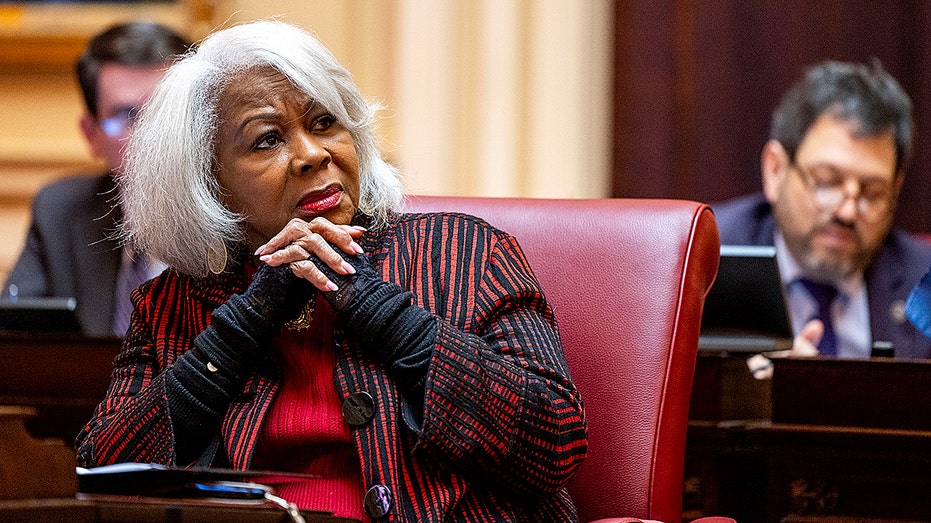
Image via Fox News
Virginia’s “Good Ol’ Boy” Problem: FBI Raid Hits a Top Spanberger Ally
The FBI raided the office tied to Virginia state Sen. L. Louise Lucas, a prominent Democrat power broker and ally in the orbit of Rep. Abigail Spanberger’s political machine. According to reporting, Lucas has been dogged for years by allegations involving corruption and even claims connected to illegal marijuana sales, with controversy trailing her long before agents showed up.
This is the part the professional political class hates: when law enforcement starts pulling on threads that lead straight into the real decision-making channels—committee chairs, donors, lobbyists, and the folks steering budgets and regulatory favors. In a state where developers, contractors, cannabis interests, and public money all collide, “influence” has a dollar value—and everybody in Richmond knows it.
✍ My Take: If you’re a small business owner trying to get a permit, win a contract, or just avoid getting squeezed by some new “equity” rule cooked up downtown, this is why you feel the game is rigged. Corruption isn’t just a moral issue—it’s a hidden tax that raises your costs and lowers your confidence to invest. Sunshine and prosecutions are pro-growth policies, whether politicians like it or not.
📎 Fox News
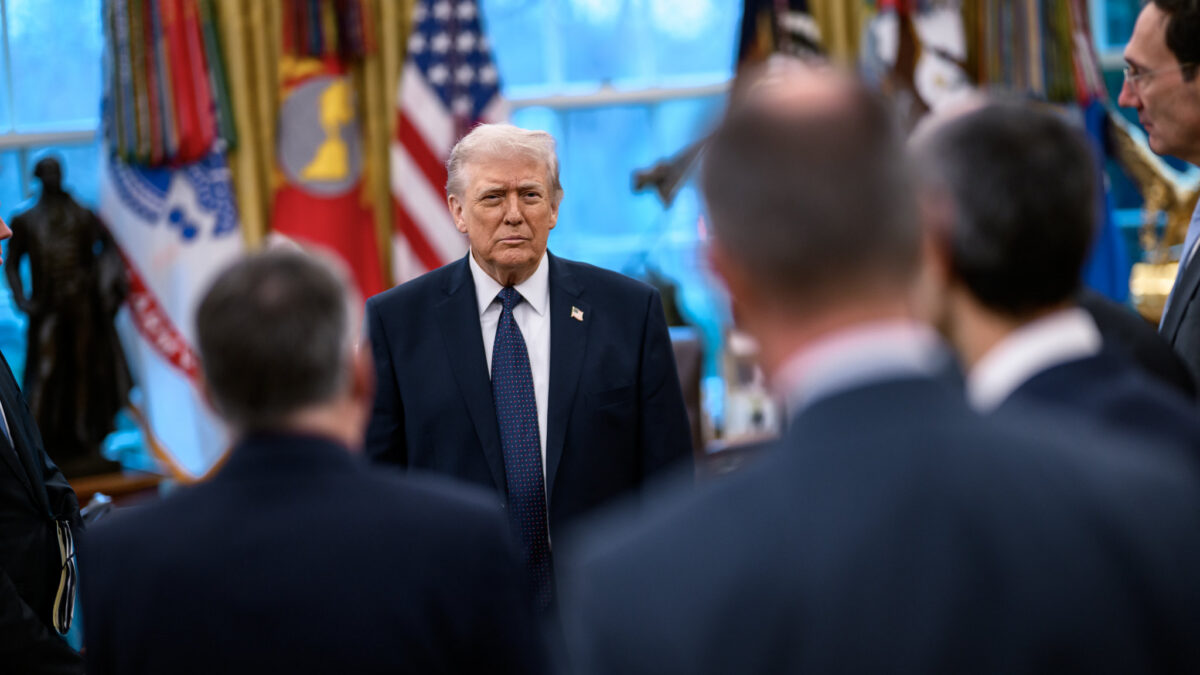
Image via The Federalist
Bring the Troops Home: Europe Can Pay Its Own Bills
A new argument making the rounds says President Trump should follow through on pulling U.S. forces out of Germany and reshaping America’s posture in Europe. The core claim is simple: Europe is wealthy, capable, and overdue to carry the cost of its own defense—while the U.S. gets strategic flexibility and budget breathing room.
For decades, Washington treated permanent deployments like a default setting, regardless of whether our allies met spending targets or whether the mission still made sense for American families footing the bill. In business terms, it’s the kind of “partnership” where one side pays for everything and gets lectured the whole time.
✍ My Take: I’m tired of America being the world’s security blanket while our own border leaks, our debt balloons, and our readiness gets stretched thin. If Europe wants Cadillac security, they can start writing Cadillac checks. Bringing troops home isn’t isolationism—it’s prioritization, and markets like clarity when the U.S. starts acting like an owner instead of an ATM.

Image via The Blaze
ICE Smart Glasses: Useful Tool or One Step Toward a Surveillance State?
ICE is reportedly looking at “smart glasses” that could give agents real-time identification and data overlays—basically extended reality hardware turning an officer’s line of sight into a live database query. The pitch is obvious: faster identification, better operational awareness, less paperwork, more enforcement efficiency.
But any time you marry biometric-style capabilities with always-on devices, you create a temptation for mission creep. Tools built for immigration enforcement today can be repurposed tomorrow—especially once vendors, contractors, and bureaucracies get addicted to the budget line item and the “public safety” talking points.
✍ My Take: I want criminals caught and illegal immigration deterred—but I don’t want Americans treated like QR codes in our own country. The right answer is hard statutory limits: who can use it, when, what data is stored, and how long—plus serious penalties for misuse. Conservatives should demand enforcement with guardrails, not a gadget-driven surveillance culture that never rolls back.

Image via Washington Examiner
The Next 250 Years Won’t Be Won in Washington—It’ll Be Won on Main Street
An argument from the Washington Examiner makes the case that America’s innovation tradition doesn’t just come from Silicon Valley or federal labs—it comes from small storefronts, family farms, machine shops, and the kind of local problem-solving that turns necessity into invention. That’s a story as old as the country: people building better ways to do things because they have to.
What’s changed is the friction. Regulations pile up. Permitting slows down. Credit tightens when rates spike. And big incumbents can afford compliance departments that Main Street can’t. Innovation isn’t dead—it’s just being smothered under paperwork and cost of capital.
✍ My Take: If you want an “innovation policy,” start by getting government out of the way of the people who actually make things. Lower the marginal tax bite, streamline permitting, and stop writing rules that only Fortune 500 legal teams can navigate. Main Street doesn’t need speeches—it needs oxygen.

Image via National Review
Planned Parenthood and Medicaid: Republicans Keep Losing the Easiest Fight to Explain
National Review warns that Medicaid payments to abortion providers may soon resume, raising the question: do Republicans have the discipline to keep Planned Parenthood defunded? The issue isn’t just moral—it’s structural: whether taxpayer dollars should flow, directly or indirectly, to the nation’s biggest abortion network.
This fight always turns into procedural fog—court rulings, budget maneuvers, “temporary” funding patches—until the money quietly starts moving again. And when the money moves, so does the incentive structure: lobbying ramps up, political pressure rises, and the pro-life side gets told to “wait until after the next election.”
✍ My Take: If Republicans can’t draw a clean line on taxpayer funding here, don’t tell me they’re serious about anything else involving spending restraint or values. This is a simple message: Americans shouldn’t be forced to fund abortion providers through Medicaid. Put it in plain language, hold the line, and stop governing like you’re scared of your own talking points.
I’ll keep my eye on the money—because that’s where the truth usually is.
— Wade Lawson