Sponsored By:
🚨 $MODE just posted 32,481% revenue growth — ranking #1 on Deloitte's fastest-growing software companies list. This isn't your typical tech stock. Mode Mobile is turning smartphones into income generators with their "Privatized Universal Basic Income" technology, already helping consumers earn $1B+.
Pre-IPO opportunity closing fast: 59,000+ investors have already committed $71M+ at just $0.50/share with up to 20% bonus shares. With their Nasdaq ticker $MODE secured and IPO intent within 24 months, this window won't stay open much longer.
Get Pre-IPO Access NowPlease read the offering circular and related risks at invest.modemobile.com. This is a paid advertisement for Mode Mobile's Regulation A+ Offering. Mode Mobile recently received their ticker reservation with Nasdaq ($MODE), indicating an intent to IPO in the next 24 months. An intent to IPO is no guarantee that an actual IPO will occur. The Deloitte rankings are based on submitted applications and public company database research, with winners selected based on their fiscal-year revenue growth percentage over a three-year period. Privacy Policy

News For Every Conservative
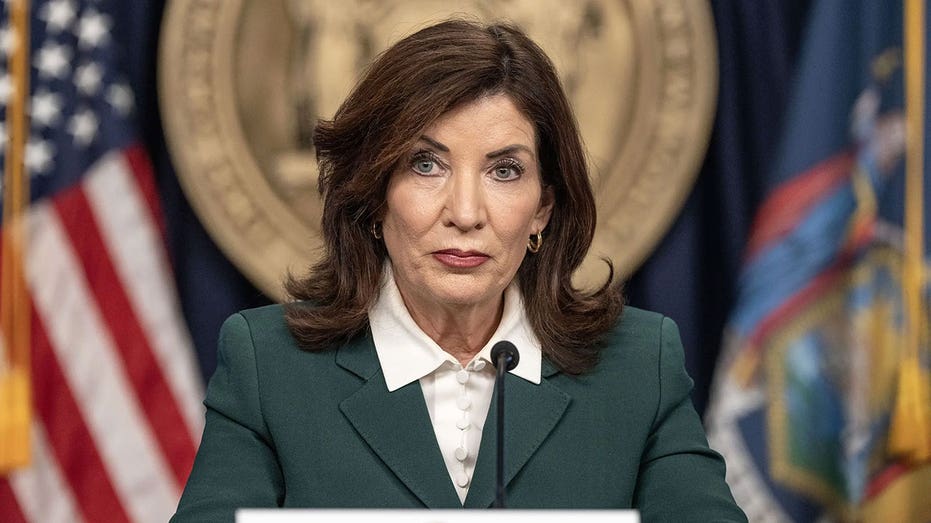
Image via Fox News
Hochul Tries to Handcuff ICE — And Albany’s About to Find Out Federal Law Bites Back
Gov. Kathy Hochul is catching heat after rolling out budget language that would further restrict how Immigration and Customs Enforcement can operate in New York. The proposal reportedly limits cooperation between local law enforcement and federal immigration authorities, tightening the rules on information sharing and assistance.
This is the same old “sanctuary” playbook dressed up as budget housekeeping: make it harder for federal agents to do the job, then act shocked when the consequences show up in courtrooms, neighborhoods, and county budgets. And it’s not just politics—this is risk management. When states create gray zones around enforcement, you get uncertainty, litigation, and uneven policing, which always ends up costing taxpayers and businesses.
✍ My Take: You can posture on cable news, but you can’t nullify federal law with clever budget language. If New York wants to be “welcoming,” fine—then be honest with voters about the price tag: higher legal costs, more pressure on local services, and a bigger trust gap between citizens and government. Markets hate uncertainty, and this kind of political stunt is uncertainty with a ribbon on it.
📎 Fox News

Image via Washington Examiner
Science Censored: When the FDA Treats Data Like a PR Problem
A Washington Examiner piece argues the FDA has blocked or suppressed internal research related to vaccines—raising concerns that bureaucracy is overriding transparency. The thrust is familiar: instead of letting data speak, agencies manage narratives, slow-walk inconvenient findings, and hide behind process.
That’s not just a “science community” issue—it’s a capital markets issue. When regulators lose credibility, you get distorted incentives across healthcare: higher compliance costs, more litigation risk, and investors demanding a bigger premium to hold biotech and pharma. The end result is fewer breakthroughs, more consolidation, and higher prices for regular families.
✍ My Take: If an agency won’t trust its own researchers, why should the public trust the agency? Sunlight reduces panic—secrecy multiplies it. A regulator that behaves like a communications shop is begging for a backlash that will spill over into the entire healthcare economy.

Image via American Thinker
Washington’s Spending Binge Keeps Getting Worse — And It’s Not “Free”
American Thinker makes the case that federal spending is spiraling beyond control, with deficits normalizing and fiscal restraint treated like a punchline. The argument is blunt: when spending becomes the default, the country trades long-term solvency for short-term political sugar highs.
Business owners know how this ends. Persistent deficit spending feeds inflation pressure, keeps rate expectations elevated, and turns “temporary” programs into permanent obligations. In real estate, that’s higher cap rate volatility, shaky refinancing windows, and more deals that don’t pencil unless you assume miracles.
✍ My Take: In my world, if you run your books like Congress does, the bank takes your keys. The hidden tax here is currency debasement and higher borrowing costs—paid by workers, savers, and anybody trying to build a business the honest way. Conservatives have to stop treating fiscal sanity like a nice-to-have and start treating it like national defense.

Image via The Hill
Trump Says U.S.–Iran Ceasefire Still Holding After Shots Fired in Hormuz
President Trump said the ceasefire with Iran remains intact even after a fresh exchange of fire in the Strait of Hormuz. The message from the administration is that diplomacy is still in play, despite the fact that the region remains one miscalculation away from a broader flare-up.
Hormuz isn’t a faraway headline—it’s an energy and shipping chokepoint that hits your wallet fast. Any instability there can spike crude, whip inflation expectations, and rattle equities—especially airlines, industrials, and any sector sensitive to input costs. For small businesses, it shows up as fuel surcharges, delivery delays, and customers tightening spending.
✍ My Take: Peace is good, but “ceasefire” doesn’t mean “stable.” If you run a company, you hedge what you can and you don’t pretend tail risk is gone just because somebody said the right words at a podium. Energy exposure is a real-world budget line—plan accordingly.
📎 The Hill

Image via Western Journal
Hollywood Politics Meets Reality: Candidate Confronts LA Mayor Over Wildfire Failures
A Western Journal report says LA mayoral candidate Spencer Pratt confronted Mayor Karen Bass during a debate, pressing her on leadership and preparedness tied to the deadly January 2025 wildfires. The moment went viral because it put public accountability on stage—right where a lot of elected officials hate it.
Wildfires are no longer a seasonal inconvenience; they’re a governance stress test. When city leadership fumbles preparedness, permitting, brush management, or emergency response, the costs cascade: insurance retreats, rebuilding delays, higher municipal borrowing costs, and commercial property values that get marked down because risk is now permanent.
✍ My Take: You can’t climate-slogan your way out of basic competence. If your policies drive insurers out and rebuilding into a bureaucratic swamp, you’re not “protecting communities”—you’re destroying the tax base that funds everything else. Investors see it, lenders price it, and families pay it.
I’m Wade Lawson — and I’ll keep calling balls and strikes, because somebody has to.
— Wade Lawson