Sponsored By:
Policy is already moving markets in 2026 — trade enforcement, regulatory shifts, and tax positioning are redirecting capital right now. Institutions reposition before the headlines catch up, and the window to act early is closing fast.
Our analysts identified 5 stocks showing real momentum tied directly to current administration policy themes — including the sectors benefiting most from domestic investment trends and regulatory tailwinds. Don't get left behind.
Get the Free Report Now(By following any of the links above, you're choosing to opt in to receive insightful updates from The Investment News Daily + 2 free bonus subscriptions! Your privacy is important to us. You can unsubscribe anytime. See our privacy policy for details.)

Five stories where power, crime, tech gatekeeping, party politics, and Middle East shipping risk all point to the same lesson: conservatives need competence, accountability, and real-world economics back in charge.
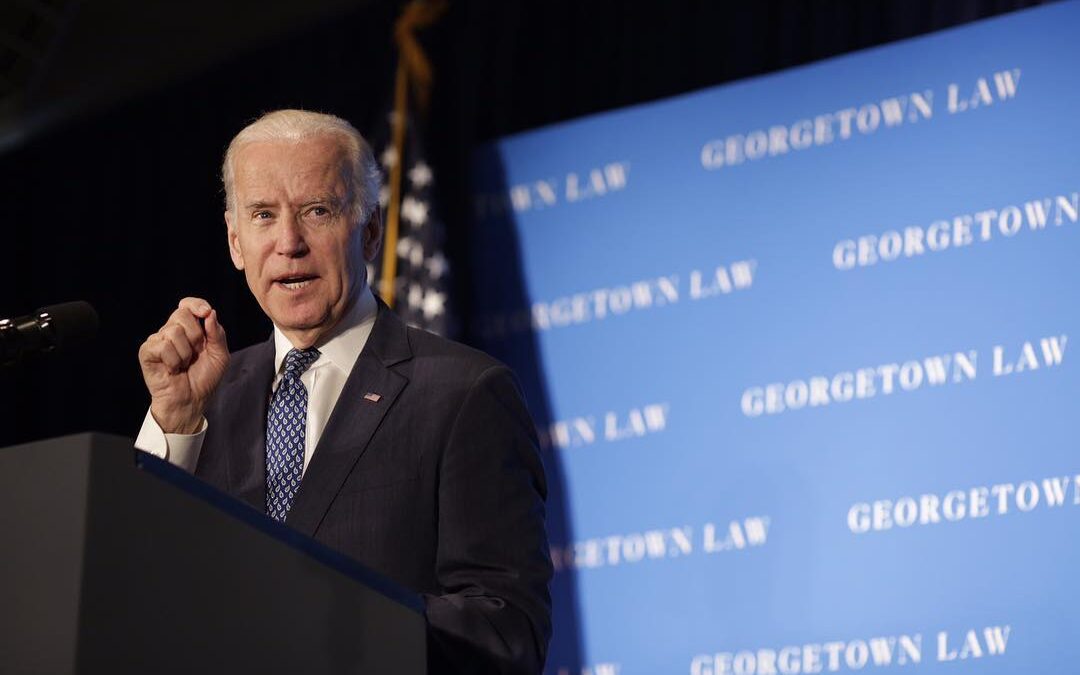
Image via The Federalist
FBI Waves Off Biden-Ukraine Allegations As "Disinformation"—Without Doing The Work
According to reporting at The Federalist, the FBI reportedly labeled allegations tied to Biden-Ukraine matters as "Russian disinformation" without even running a real investigation. That’s not an honest conclusion; that’s a pre-decision, and it matters because the public is being asked to trust outcomes that may have been engineered from the start.
What sticks out is the overlap: the same types of people being framed as "threats" or "problem actors" were often the ones digging into Hunter Biden-related questions. When the referees decide who gets flagged before the play runs, the whole field tilts. And when that happens inside federal law enforcement, it’s not just politics—it’s the credibility of the institution and the equal application of the law.
For business owners and investors, this kind of conduct is a hidden tax. It drives civic instability, shakes confidence, and tells the market that access and protection depend on which team you’re on, not what the facts are.
🏛 Wade's Take: If the FBI didn’t investigate, then it didn’t "determine" anything—it just branded a narrative to protect someone. Conservatives should demand the same standard we’d demand in a loan file or an audit: show your work, document the steps, and let independent eyes review it. When government agencies pick winners, the country starts to feel like a rigged deal, and that’s poison for long-term growth.

Image via TheBlaze
Mail Carriers Under Siege: Criminals Aren’t Just Robbing The Mail—They’re Recruiting The Help
The Blaze reports on an attack at the San Bruno Post Office in California where suspects targeted a postal worker not for cash or a phone, but for the mail itself. That detail should wake people up: mail theft isn’t petty crime anymore—it’s infrastructure crime. Checks, IDs, account numbers, tax documents, and credit offers are a pipeline into identity theft and fraud.
Even worse is the trend line the story points to: criminals aren’t only ambushing carriers, they’re pressuring and recruiting insiders. If bad actors can compromise the chain of custody, every household and small business becomes a potential victim. That hits seniors, churches, local charities, and mom-and-pop operations that still rely on mailed payments and statements more than Silicon Valley thinks they do.
This isn’t just about the Postal Service. It’s about whether America can still enforce basic order, or whether we’re going to normalize lawlessness as the cost of living in modern society.
🏛 Wade's Take: When criminals start recruiting inside the system, you don’t fix it with posters and "awareness"—you fix it with prosecutions, serious penalties, and hardening the process. Every stolen check that gets washed and re-cashed is someone’s rent payment, payroll deposit, or retirement money. Public safety is economic policy, and we’re way past time to treat it that way.
📎 TheBlaze

Image via Washington Examiner
Gmail "Spam" Filters Blocked 142,000 Campaign Donations—That’s Not Neutral, That’s Power
The Washington Examiner highlights a case where Gmail filtering reportedly wiped out 142,000 campaign donations by routing political fundraising emails to spam. Google calls it security and user protection, and sure, nobody wants inboxes flooded. But when a single platform effectively decides which messages reach voters and donors at scale, we’re no longer talking about convenience—we’re talking about gatekeeping.
The strongest defense is usually, "the algorithm is just doing its job." But that’s the point: the job definition and the tuning are choices, and the public can’t audit them. If one side consistently loses reach at key moments, the playing field isn’t level. And in 2026, digital deliverability is as real as buying TV ads used to be—except now your ad gets silently thrown in the trash.
For campaigns, small-dollar fundraising is oxygen. For citizens, political speech is foundational. When a private company can choke either one without transparency, that’s a risk conservatives should treat like any other monopoly risk.
🏛 Wade's Take: If a bank "accidentally" froze one party’s donations, Congress would hold hearings by lunch. Tech platforms shouldn’t get a special exemption just because they hide behind code and policy language. At minimum, political email filtering should require clear disclosure, meaningful opt-ins, and third-party audits—because unchecked private power can be just as dangerous as unchecked government power.

Image via NTD
Wisconsin Democrats Pick Crowley Over A Democratic Socialist—But The Policies Won’t Magically Get Sane
NTD reports that David Crowley defeated Democratic Socialist Francesca Hong in Wisconsin’s Democratic gubernatorial primary. On paper, that looks like a party choosing a more "electable" lane instead of a full-speed lurch into socialist branding. In a swing-state environment, Democrats know labels matter, even when the underlying agenda often doesn’t change as much as the packaging.
Crowley’s win signals that the Democratic establishment still has some control over its primaries when it senses general-election risk. But conservatives shouldn’t fall asleep just because the word "socialist" isn’t on the ballot line. The real questions are what happens to taxes, energy policy, policing, and regulation—because those are the levers that determine whether jobs stay, businesses expand, and families can afford homes.
For investors and small business owners, Wisconsin matters. It’s manufacturing, logistics, and a bellwether for regional growth. Whoever governs there will either protect productive enterprise or smother it with "solutions" that look good in press releases and cost a fortune in practice.
🏛 Wade's Take: Democrats swapping out a socialist for a smoother salesman doesn’t change the math on budgets and regulation. Conservatives should focus less on labels and more on outcomes: cost of energy, crime trends, permitting time, and whether businesses are fleeing or hiring. The winning strategy is simple—talk dollars, jobs, and safety, and make them defend every policy that raises costs for working families.
📎 NTD
Houthi Attack Kills Pakistani Citizens—And The Shipping Risk Premium Keeps Rising
AP News reports Pakistan says three of its citizens were killed in a Houthi attack on a ship, another grim reminder that instability in the region isn’t theoretical. Every time shipping lanes face disruption, the global economy reprices risk. That shows up in insurance costs, freight rates, delivery times, and ultimately the price you and I pay for basics.
Whether it’s the Red Sea, the Strait of Hormuz, or surrounding routes, persistent attacks force carriers to reroute or pay up for protection. Energy markets react fast because oil and refined product flows are sensitive to perceived chokepoint danger. Even when the U.S. isn’t the direct target, American households and businesses still eat the cost through higher fuel and higher transported goods.
This is also a credibility issue. When hostile actors believe they can strike commerce with limited consequences, it encourages more disruption and drags more nations into the mess, directly or indirectly.
🏛 Wade's Take: Secure trade routes aren’t a luxury item—they’re the plumbing of modern life. When the world sees attacks on shipping normalized, inflation pressure sneaks back in through fuel and freight, and small businesses get squeezed first. America needs clear deterrence, reliable alliances, and the willingness to defend commerce, because the price of weakness always shows up on Main Street.
📎 AP News
That’s the rundown. Keep your eyes on who’s bending the rules, who’s losing public order, and where the risk premium is creeping into everyday costs—because that’s where politics turns into your monthly budget.
— Wade Lawson