Sponsored By:
The Fed held rates, inflation is still above target, and uncertainty is rising — that means the "buy anything AI" trade is over. Smart money is rotating fast toward the companies actually building AI infrastructure: chips, cloud capacity, and mission-critical data tools. Big Tech alone is projected to spend $635B–$665B on AI in 2026 — and not all of it is going where most investors are looking.
We've identified 9 AI stocks worth watching right now — including a lesser-known chip name tied to U.S. AI infrastructure, a cloud player with improving setup, and a data analytics company with government exposure. This isn't hype. It's about following where capital is actually being deployed.
Get the Free Report NowBy clicking the link above, you will receive this free report and a free subscription to the StockEarnings daily email newsletter. You are also agreeing to the terms of our Privacy Policy. Unsubscribe at any time.

Five stories today on responsibility, elections, disasters abroad, and a real medical breakthrough — with the money trail in plain view.
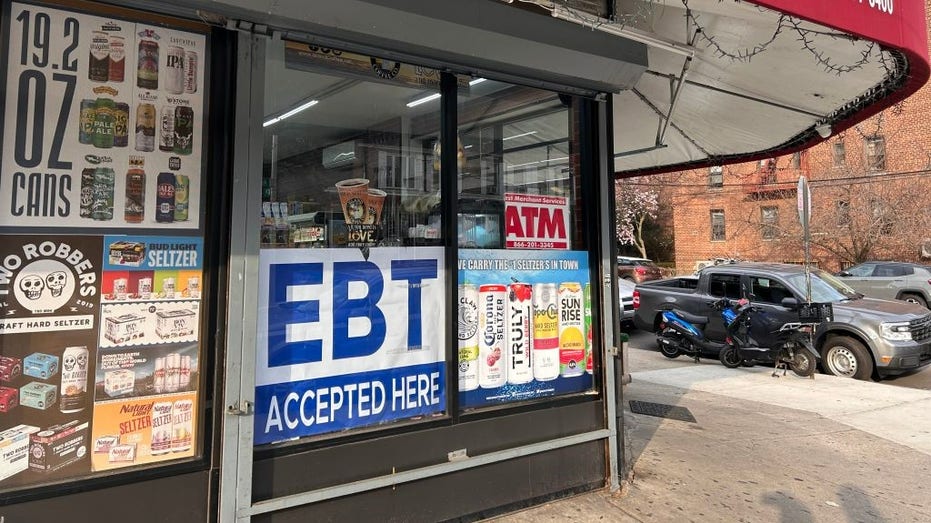
Image via Fox News
Florida Says Welfare Is for Necessities, Not Tattoos and Theme Parks
Florida is moving to become the first state to restrict certain welfare cash benefits from being used on purchases like tattoos, vapes, theme-park tickets, video games, and other nonessential items. The pitch is simple: taxpayers are underwriting a safety net, not a lifestyle upgrade.
In practice, this is about tightening the rules around benefit cards and merchant categories so the program works more like it was sold to voters. Supporters argue it protects public trust and keeps resources focused on food, diapers, rent, and transportation — the basics that keep families stable.
The bigger impact is political and cultural: when the public sees welfare funds used on discretionary spending, the backlash hits every program, even the ones that are working. States that want to preserve legitimate assistance have to prove they can police it.
🏛 Wade's Take: I have no problem helping folks get back on their feet, but I do have a problem paying for somebody else’s vape habit when I’m sweating payroll and property taxes. If you want broad support for a safety net, you’ve got to make it look like a safety net. Florida’s doing what every state eventually has to do: draw a bright line between essentials and entertainment.
📎 Fox News
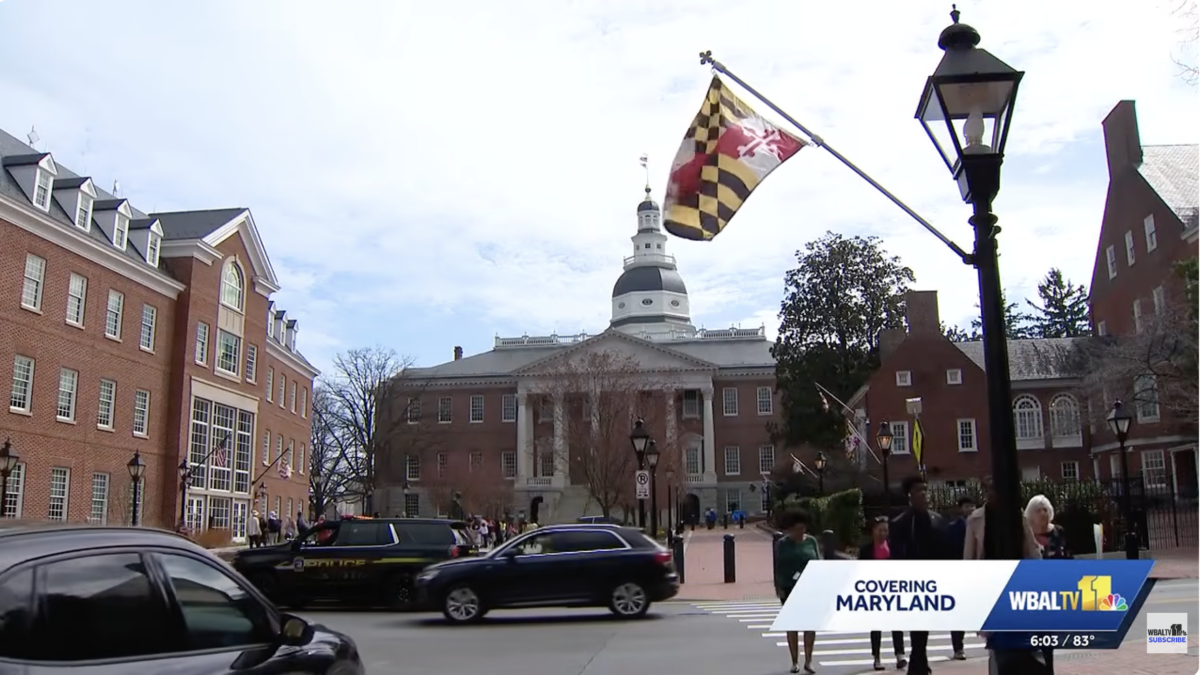
Image via The Federalist
Maryland Judge Puts the Brakes on a Ballot-Box End Run for Congressional Maps
A Maryland judge has reportedly blocked the state’s Board of Elections from pushing a ballot question that was drafted under what critics call a legally broken process. The ruling enjoins election officials from moving forward, at least for now, and it lands right in the middle of an already heated fight over who gets to draw congressional lines.
These map battles aren’t abstract. District lines decide which communities get representation, which industries get attention, and which priorities get funded. When the process is perceived as rigged, it doesn’t just sour voters — it poisons business confidence, too, because instability in governance turns into instability in regulations and tax policy.
The case also highlights a pattern we’ve seen across the country: when legislators can’t get the outcome they want through normal lawmaking, they start shopping for procedural shortcuts. Courts exist to stop that kind of gamesmanship when it breaks the rules.
🏛 Wade's Take: I negotiate leases for a living, and one thing I’ve learned is that a deal only holds if the paper is clean. If the law behind the ballot question is busted, you don’t get to bulldoze forward just because the calendar is convenient. Fair maps and clean procedures aren’t partisan luxuries — they’re the foundation for legitimacy, and legitimacy is what keeps the economy from turning into a political roulette wheel.
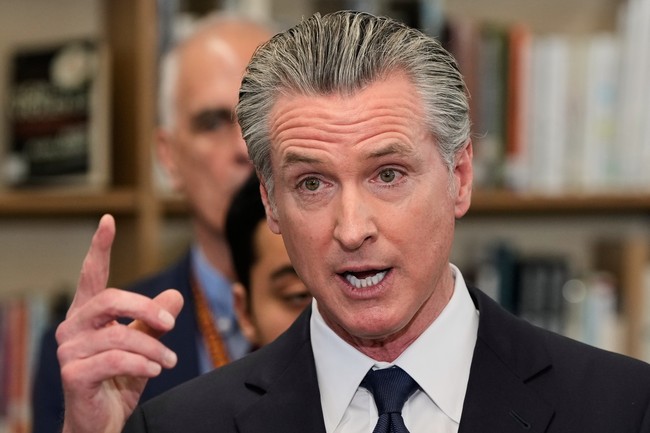
Image via RedState
Newsom Swings at Trump Over SpaceX Stock — and Investors Notice What Gets Left Out
California Gov. Gavin Newsom took a public shot at President Trump tied to SpaceX stock, framing it as a political and ethical issue. The argument, as presented, leans on insinuation: that proximity to power and a stake in a major defense-and-space contractor should automatically read as corruption.
But the criticism is drawing pushback for leaving out key context — the kind of context markets care about. SpaceX is central to national security launch capacity, satellite infrastructure, and America’s ability to compete with China in orbit. When politicians turn that into a soundbite war, they risk turning serious industrial policy into just another campaign prop.
For investors, the subtext is regulatory: if one side wants to treat successful private aerospace like a political villain, it raises the temperature around contracts, procurement, and antitrust narratives. That uncertainty filters into valuations, IPO appetite, and the broader willingness to fund frontier tech in the U.S.
🏛 Wade's Take: I don’t own politics in my portfolio, but I do own the consequences. If you want to critique ethics, bring facts, not vibes — because when leaders posture, capital gets cautious and innovation gets politicized. America should be expanding domestic capacity in space and defense, not turning our crown-jewel companies into punching bags for cable-news applause.
📎 RedState

Image via NTD
Catastrophic Nepal Floods Leave Americans Missing — A Reminder Nature Doesn’t Care About Borders
Severe flooding in Nepal has left roughly 1,300 people missing, including 65 Americans, according to reporting. The images are brutal: mud-choked properties, washed-out roads, and communities cut off in mountainous terrain where rescue operations are already difficult on a good day.
Beyond the immediate human tragedy, these disasters quickly become logistics and governance tests. When infrastructure fails, everything fails with it — water safety, medical access, communications, supply delivery, and basic security. For Americans abroad, it becomes a race of coordination among local authorities, U.S. officials, and aid groups, often in conditions where information is scarce and time is the enemy.
Events like this also ripple into the economic world through insurance losses, disrupted travel, and regional supply chain interruptions. It’s a sobering reminder that “global risk” isn’t just a Wall Street phrase — it’s families, businesses, and governments scrambling in real time.
🏛 Wade's Take: My prayers are with the missing and the families waiting on a phone call that won’t come fast enough. And I’ll say this plainly: we can be America First without being America Only — protecting our citizens abroad and helping in true catastrophe is part of what a serious nation does. At the same time, every disaster is a reminder to harden infrastructure and respect risk, because nature will collect its due whether you budgeted for it or not.
📎 NTD
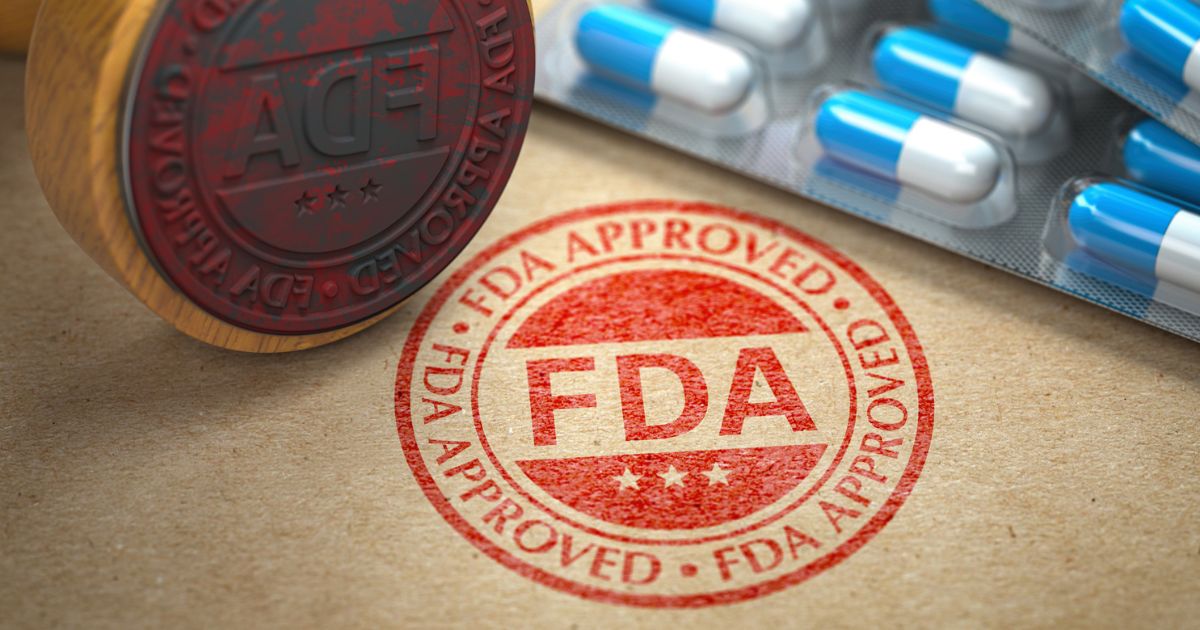
Image via Western Journal
FDA Clears New Pancreatic Cancer Drug — Real Progress Where It Matters Most
The FDA has approved a new pancreatic cancer treatment that regulators and advocates are calling a landmark, after trial results showed patients lived significantly longer — nearly doubling survival time in the reported coverage. Pancreatic cancer is one of the toughest diagnoses in medicine, and meaningful gains are rare, so any real extension of life is not a headline to shrug at.
This approval matters for patients and families first, but it also matters economically. Breakthrough therapies can reshape hospital protocols, insurance coverage decisions, and the direction of biotech capital. When the FDA greenlights a true advancement, it can unlock a wave of investment into adjacent research, diagnostics, and combination therapies.
The next fight will be access and cost. The American system is great at producing innovation, but we’re often sloppy about delivering it efficiently. If we can pair breakthrough science with smarter pricing, faster competition, and transparent outcomes, patients win and the system stays sustainable.
🏛 Wade's Take: I’m a businessman and an investor, but before any of that I’m a husband, a dad, and a neighbor — and cancer doesn’t care what your politics are. When a drug genuinely extends life in a brutal disease category, we should celebrate it and then get to work making sure people can actually get it. Innovation is worth paying for; waste and middlemen markups are not.
That’s the roundup for Thursday. Keep your eyes on where the rules change, where the courts draw lines, and where real innovation is breaking through — that’s where the next opportunities and risks will show up first.
— Wade Lawson