Sponsored By:
The midterms are behind us — but market uncertainty isn't. Options premiums can look attractive right now, yet the obligations behind them demand equal attention. Assignment risk, capped upside, and capital requirements don't disappear just because the premium looks good.
Our free Income Strategies with Options guide breaks down the mechanics clearly — obligations beside potential income, downside mapped before any trade. The premium is visible immediately; the obligation may arrive later. Read the guide before a tempting quote becomes a costly position.
Send Me the Free ReportBy clicking this link you agree to receive emails from StockEarnings and our affiliates. You can opt out at any time. Privacy Policy.

Today’s five-story roundup looks at service and sacrifice, GOP leadership churn, a major drug trafficking case, shifting political winds on Israel policy, and a blunt confession from a Vietnam-era draft dodger. As always, we’re tracking who pays, who profits, and what it means for the country that still has to make payroll.
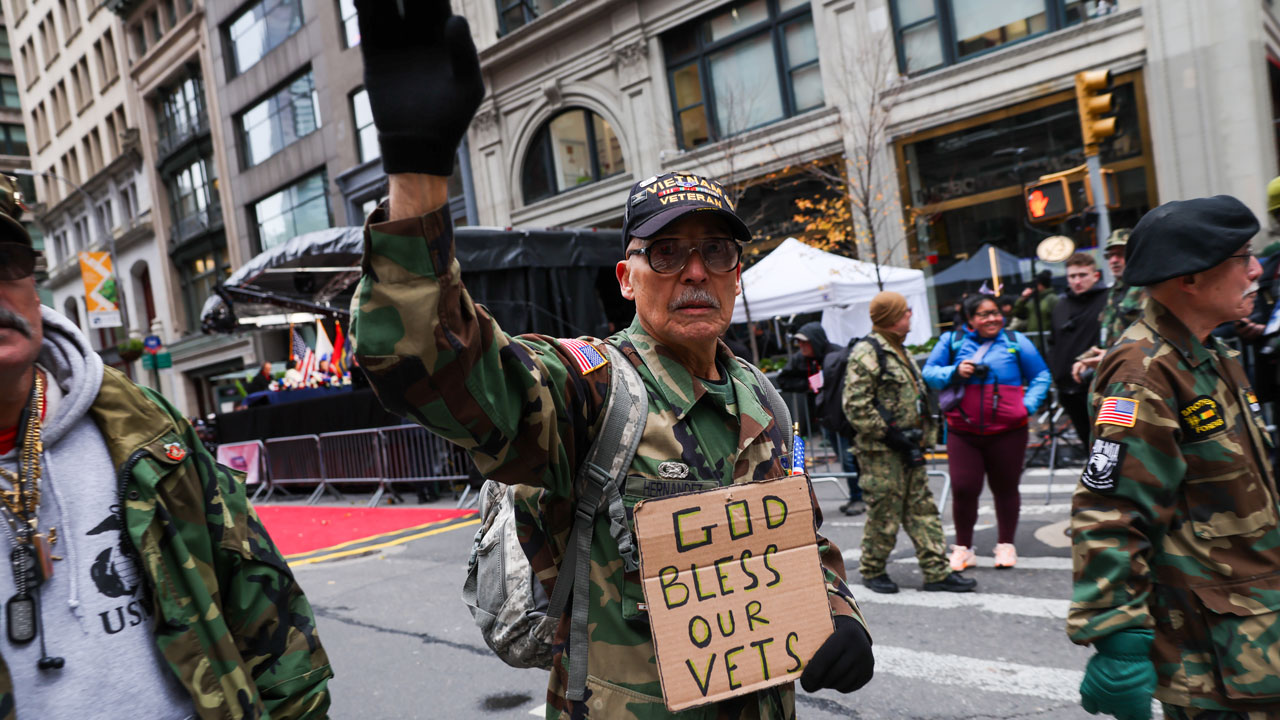
Image via The Daily Signal
Veterans Day Isn’t a Slogan. It’s a Debt We Owe.
Veterans Day gets treated like a calendar obligation by too many politicians and corporations: one day of applause, then back to business as usual. The Daily Signal piece hits the right note by pointing readers toward something concrete and public-minded: the National Museum of the United States Army at Fort Belvoir, free to the public and built to tell the story of regular Americans who wore a uniform and carried the load.
What stands out is the reminder that the Army story is not just war footage and speeches. It’s logistics, sacrifice, and grit over generations, with ordinary families doing extraordinary things because their country asked. That matters in 2026, when so much of our culture tries to replace duty with grievance and replace citizenship with consumerism.
And yes, there’s an economic angle: communities with strong military ties tend to understand stability, training, and accountability in a way that translates into better work habits, better civic culture, and better small-business ecosystems. When we honor veterans seriously, not symbolically, we reinforce the kind of national backbone that makes prosperity possible.
🏛 Wade's Take: If we can fund endless programs in Washington, we can sure take care of the men and women who kept the lights on for this republic. Veterans Day should come with two things: real gratitude and real follow-through, especially on healthcare access, job placement, and cutting the red tape that turns benefits into a scavenger hunt. Take your kids to a museum like this and teach them what adulthood and responsibility look like.
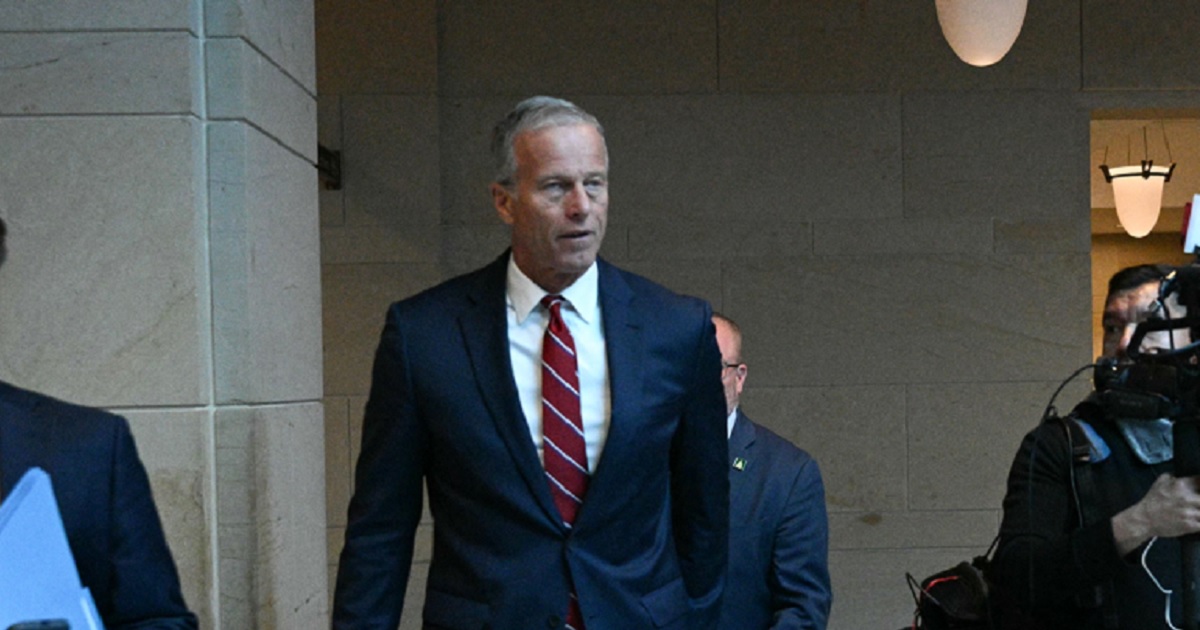
Image via The Western Journal
Thune Back on Top: GOP Senators Pick Stability, Base Picks a Fight
Senate Republicans reportedly put John Thune back in charge of the conference leadership, and the backlash from parts of the conservative base was immediate. The Western Journal frames it as a familiar story: Washington choosing an experienced hand and grassroots voters seeing another round of “same playbook, different year.”
Leadership elections inside the Beltway can feel like insider baseball, but they aren’t. Senate leadership decides what gets votes, what gets delayed, what gets buried in committee, and what gets traded away in late-night “must-pass” deals. For investors and business owners, it affects everything from tax certainty to regulatory posture to whether we get a serious energy agenda or another round of symbolic speeches.
The underlying tension is real: donors and leadership want predictability, while the base wants fighters who will use leverage. If Republicans keep winning elections but governing like they’re afraid to touch the stove, people stop believing the pitch. And when political confidence breaks, market confidence usually wobbles right behind it.
🏛 Wade's Take: I don’t need a Senate leader who talks tough on cable news; I need one who can count votes and deliver policy that helps families and small businesses breathe again. But if the base keeps feeling ignored, you’ll get a civil war that costs us seats and hands leverage back to the left. Thune should treat this like a turnaround job: pick two or three winnable, measurable priorities and execute, or the frustration only gets worse.

Image via NTD
36 Charged in Drug Ring, and the Real Bill Lands on Local Families
Federal authorities charged 36 people in a multi-state drug trafficking case, including nine illegal aliens, according to NTD. Big takedowns like this are important, and law enforcement deserves credit for doing the slow, unglamorous work of building cases across jurisdictions.
But the larger story is what these operations do to communities before the arrests ever happen. Drugs hollow out workforce reliability, drive up petty crime and violent crime, and increase costs for employers who are already fighting turnover, insurance hikes, and a general breakdown in basic public order. In commercial real estate, you can see it in real time: certain corridors go from “up-and-coming” to “avoid after dark,” and property values, tenant quality, and capital investment follow that trend downhill.
The mention of illegal aliens among those charged is politically radioactive, but pretending the border has no connection to trafficking networks is willful blindness. It’s not about demonizing people; it’s about acknowledging that weak enforcement creates predictable opportunities for criminal enterprises that move product, money, and people the same way they move anything else: through the gaps.
🏛 Wade's Take: Every time Washington shrugs at border enforcement, local taxpayers end up funding the clean-up through policing, courts, emergency rooms, and broken families. If you want safer neighborhoods and stronger property values, you have to cut the supply lines: enforce immigration law, hammer traffickers, and stop treating fentanyl deaths like a statistic instead of a national emergency. Compassion without enforcement is just surrender with a nicer label.
📎 NTD

Image via The Hill
The Hill Claims the Midterms Broke Israel’s Grip. The Real Story Is Voters Demanding Independence.
An opinion piece in The Hill argues that the 2026 midterms marked a turning point: Israel’s influence over American politics, particularly through AIPAC, allegedly weakened as candidates found electoral success by standing up to that agenda. The author frames it as a moral and political litmus test, especially pointing to Michigan politics as a sign of changing ground.
Whether you agree with the premise or not, there’s a real shift worth watching: voters are more willing to question the standard playbook on foreign policy alliances, lobbying power, and blank-check postures. For decades, many politicians treated certain positions as untouchable because the funding, endorsements, and primary threats were too real. But in a high-cost, high-frustration economy, the public is less patient with “automatic” anything.
From an economic standpoint, foreign policy isn’t theoretical. Energy prices, defense spending, trade routes, and geopolitical risk premiums show up in markets fast. When American politics starts signaling less predictability on a long-standing alliance, you’ll see it in volatility, and you’ll see it in how companies plan supply chains, security budgets, and international expansion.
🏛 Wade's Take: America can support allies and still insist on an America-first foreign policy that’s accountable to our voters, not any lobbying shop. If a political position can’t survive open debate, it’s not a policy; it’s a racket. We need leaders who can defend our interests, limit mission creep, and be honest about costs, because families back home are the ones paying for the “consensus.”
📎 The Hill

Image via American Thinker
A Vietnam-Era Draft Dodger’s Confession: Don’t Let the Country Learn the Wrong Lesson
American Thinker published a reflective piece by an older man who describes himself as a Vietnam draft dodger and says he’s thankful he failed in his attempt. It’s a personal story told with the benefit of age, hindsight, and a hard look at what he avoided and what others carried.
Stories like this land differently depending on who’s reading. For some, it’s an overdue admission of guilt and a recognition that character isn’t built by talking about values, but by showing up when it’s costly. For others, it’s a reopening of an old national wound: a time when elites and activists found clever ways to avoid sacrifice while working-class kids bore the consequences.
The reason this matters now is that the draft-dodger mindset didn’t disappear; it migrated. Today it shows up as people who demand security but won’t support law enforcement, demand prosperity but hate capitalism, demand rights but reject responsibilities. A country can’t run long-term on that kind of moral imbalance.
🏛 Wade's Take: If you dodged duty and later realized it, owning it is better than pretending it was principled. But let’s be clear: society can’t function when sacrifice is optional for the connected and mandatory for everybody else. The lesson for 2026 is simple: we need a culture that rewards responsibility, honors service, and stops making excuses for cowardice dressed up as sophistication.
I’m Wade Lawson. Hug a veteran’s neck today, pay your people on time, and don’t let Washington’s games distract you from protecting your family, your balance sheet, and your country.
— Wade Lawson