Sponsored By:
The AI revolution is here—and I've identified 9 powerhouse companies with real US operations, proven revenue growth, and deep AI integration that are primed to dominate. From a hidden chip maker set to power domestic AI manufacturing to a cloud provider ready for explosive growth, these aren't the tired "AI hype" stocks everyone's talking about.
The smart money is already watching, and once they move, these stocks could soar. Don't be the last to catch this wave—get the complete details on all 9 game-changing companies in my FREE report before opportunity passes you by.
Get the Free ReportBy clicking this link you agree to receive emails from StockEarnings and our affiliates. You can opt out at any time. Privacy Policy.

Evanston’s reparations payouts, a GOP privacy push, Iran ceasefire risk, Rubio 2028 skepticism, and DOJ’s Tren de Aragua crackdown.
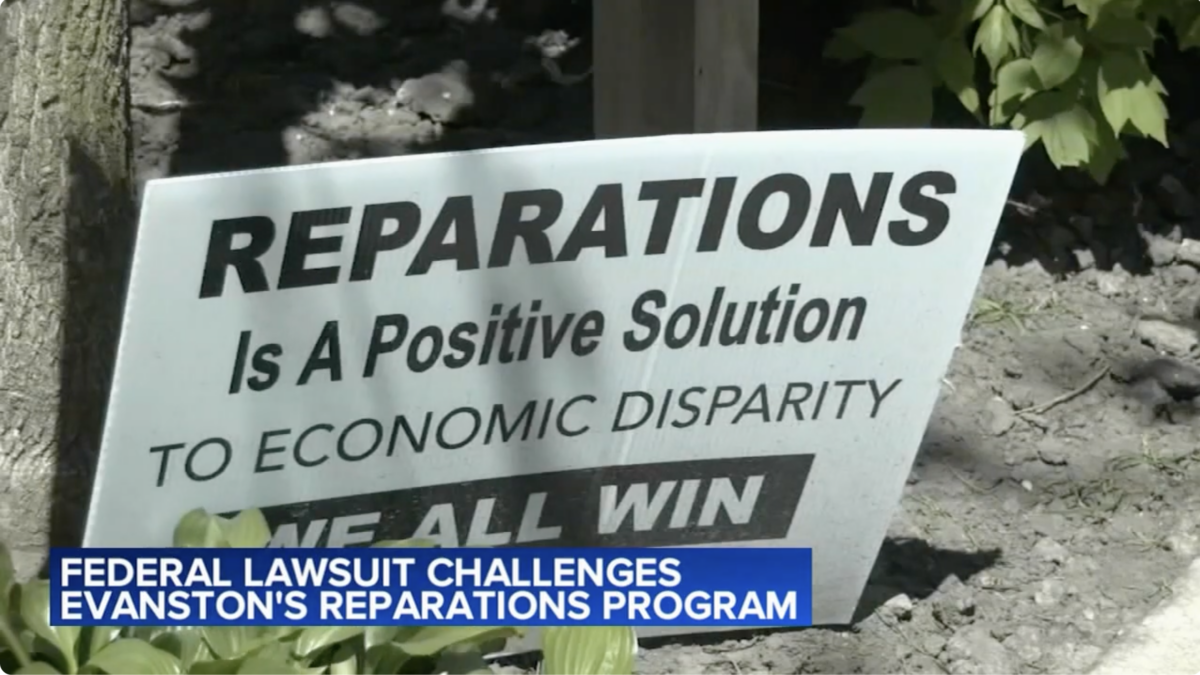
Image via The Federalist
It’s Time For Reparations For Taxpayers Forced To Pay Reparations
Evanston, Illinois has now pushed at least $6.36 million out the door through its local “reparations” program, according to reporting and public committee records. The pitch is always dressed up as “housing assistance” or “equity,” but the mechanism is the same: government picking winners and losers based on ancestry and politics, not on individualized harm proven in court.
The constitutional problem isn’t some technicality—it's the whole point. When a city starts distributing benefits based on race, you’ve left equal protection and entered political spoils. And for anyone who owns property or runs payroll, here’s the practical reality: these programs don’t come from “the rich.” They come from taxpayers, fee-payers, and local economic activity—the same pool that funds police, roads, and basic services that actually keep property values from sliding.
✍ My Take: If government wants to pay “reparations,” then taxpayers deserve reparations right back—starting with refunds, audits, and lawsuits that shut this down. Municipalities have one job: deliver core services efficiently and fairly. When they start running racial redistribution programs, they’re not healing anything—they’re buying votes with other people’s money and inviting years of legal bills that won’t help a single neighborhood.
Image via TheBlaze
FINALLY: Republicans Move to Stop Big Tech From Hoarding Your Data
Republicans are lining up behind a major privacy push aimed at curbing how internet companies collect, retain, and monetize user data—especially the pipeline where your clicks, location history, and personal identifiers get packaged and sold through third-party brokers. The core complaint is straightforward: platforms are incentivized to gather everything, keep it forever, and sell access to whoever pays.
This isn’t just a culture-war issue—it’s a marketplace issue. Data is the new oil, except you didn’t agree to the drilling rights on your own land. A real privacy framework would force clearer consent, limit resale, and put teeth behind consumer rights when companies play games with “settings,” fine print, and default tracking.
✍ My Take: Conservatives should lead here because privacy is property. If a company wants to profit off my information, they ought to get affirmative permission and face real penalties when they don’t. Do it right, and you’ll also kneecap the data-broker ecosystem that’s become a shadow industry—one breach away from turning everyday Americans into targets.
📎 TheBlaze
Image via Washington Examiner
Trump Weighs Next Step as Iran Ceasefire Hangs by a Thread
The ceasefire with Iran is being described as on “life support,” with President Trump publicly signaling impatience and rejecting proposals he considers weak—while the strategic pressure point remains the Strait of Hormuz. Any renewed disruption there doesn’t just raise oil prices; it hits shipping insurance, supply chains, and inflation expectations almost immediately.
Markets don’t need a full-blown war to reprice risk—they just need uncertainty. Even a short-term spike in energy can tighten financial conditions, hit consumer spending, and squeeze small businesses already operating on thin margins. For real estate owners, higher fuel and materials costs filter into construction timelines, maintenance, and tenant health—especially for retailers and light industrial.
✍ My Take: Keep the Strait open, deter Iran, and don’t let “ceasefire theater” turn into a slow-motion energy tax on American families. Every time oil jumps, Washington pretends it’s “temporary,” but Main Street feels it in days. Strength and clarity are cheaper than prolonged ambiguity—and investors know the difference.
The Case for Rubio ’28 Is Overstated—And the Party Should Notice
A piece making the rounds argues that the GOP’s excitement about a potential Rubio 2028 run is overblown, warning that any wave big enough to lift him could also swamp the party. The critique isn’t necessarily personal—it’s about political chemistry: what kind of coalition wins the primary, what wins the general, and whether the candidate represents continuity or a clean break.
The bigger question for conservatives is whether the party wants an “acceptable” manager or a fighter who can actually dismantle the administrative state, stabilize the border, and keep America competitive without selling the base another stack of talking points. Elections now are turnout games. If your nominee doesn’t animate the working voters and small business owners who carry the load, you lose—even if donors feel comfortable.
✍ My Take: I’m not interested in resumes—I’m interested in results. The next GOP standard-bearer has to be credible on the economy (energy, deregulation, taxes) and unapologetic about sovereignty (border, trade, national security). If the party picks “safe” over “serious,” we’ll pay for it in policy—and in portfolios.
DOJ: Tren de Aragua Crackdown Nets Charges, Guns, and a Message
The DOJ says more than 25 Tren de Aragua members and associates have been charged in a nationwide crackdown, with 80 firearms seized. The gang’s profile has grown alongside broader concerns about transnational criminal networks exploiting weak border enforcement, moving drugs, weapons, and people across jurisdictions faster than local law enforcement can keep up.
For communities, the cost isn’t abstract. Gang activity drives up policing needs, insurance claims, hospital burdens, and ultimately pushes families and businesses to relocate. That shows up in property values, leasing demand, and the basic “can I run a business here?” question every employer asks before expanding.
✍ My Take: This is what “public safety is economic policy” looks like. If the federal government is finally treating these networks like the threat they are, good—now follow through with prosecutions, deportations where applicable, and border enforcement that prevents the pipeline in the first place. You can’t build prosperity on top of lawlessness.
📎 OANN
I’m Wade Lawson—keep your values tight, your balance sheet tighter, and don’t let Washington spend your future.
— Wade Lawson