Sponsored By:
One of our most reliable indicators just triggered on a small-cap company operating quietly under the radar. We've seen this same setup before notable announcements, strategic shifts, and surges in institutional activity.
At Alpha Wire Daily, we've built our reputation on identifying these patterns early — before the rest of the market catches on. We've just released a new briefing detailing the company name, chart setup, and why this signal stands out. Timing is everything.
Get the Free Report + Alert Access*We encourage readers to perform their own research and due diligence on any information we provide. By clicking the link you will automatically be subscribed to the Alpha Wire Newsletter.

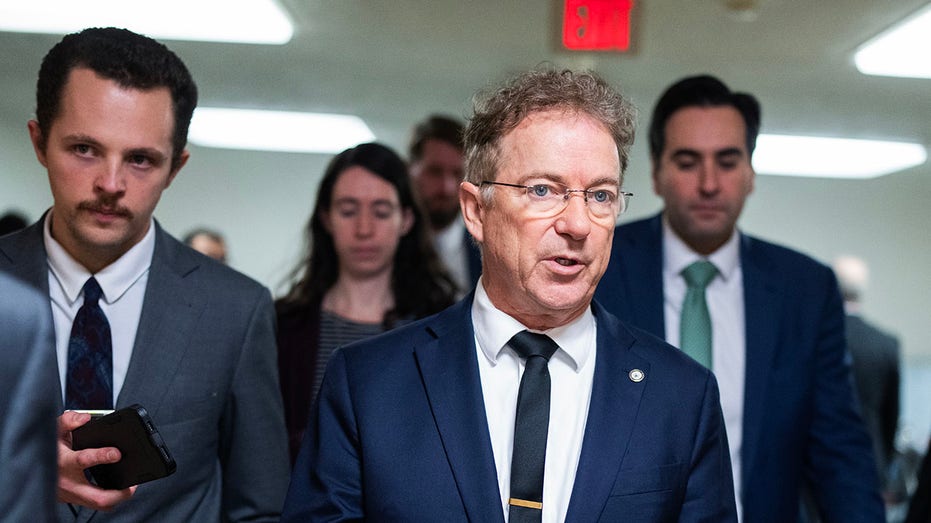
Image via Fox News
Rand Paul Drags the COVID “Deep State” Back Into the Light
Sen. Rand Paul is bringing a CIA whistleblower to a Senate hearing to allege an internal government effort to shape—or suppress—the truth about COVID-19’s origins. The timing is no accident: Paul’s team is also spotlighting the statute-of-limitations clock on perjury allegations tied to Dr. Anthony Fauci, arguing Congress is running out of runway to hold anybody accountable.
Beyond the personalities, this is about institutional trust and how the federal machine behaves when it’s under pressure. If intelligence and health bureaucracies coordinated messaging to protect themselves—rather than tell the public what they knew, when they knew it—it’s not just a political scandal. It’s a credibility collapse, and credibility is the currency that keeps Americans compliant during real emergencies.
✍ My Take: If the government misled the public on origins, it didn’t just cost lives—it distorted markets. COVID policy picked winners and losers: small businesses got strangled while politically connected sectors and big tech printed money. Conservatives ought to treat this like a financial audit: subpoena, document, reconcile, and prosecute perjury if it’s there—no more “oops, we’ll do better.”
📎 Fox News
Image via The Daily Signal
Police Week Politics: NRSC Goes After Democrats on Crime
The National Republican Senatorial Committee rolled out Police Week attack ads accusing Democrat Senate candidates of backing a “pro-crime agenda.” The message is simple: Democrats pushed policies that weakened policing, minimized penalties, and made communities less safe—and now they want to run from the results.
Crime isn’t just a culture-war talking point; it’s an economic tax. When crime rises, storefronts close earlier, retail theft drives up prices, insurance premiums spike, and property values take a hit—especially in working-class neighborhoods that can least afford it. Cities don’t “vibe” their way into investment; they earn it through safety, predictability, and rule of law.
✍ My Take: Public safety is a pro-growth policy, period. If you can’t keep criminals off the street, you won’t keep employers in town, and you won’t keep capital from fleeing to safer ZIP codes. Republicans should hammer this relentlessly—but they also need to back it up with real sentencing reform that punishes violence and repeat offenders while getting serious about mental health and fentanyl enforcement.
Image via Associated Press
Russian Ship Sinks Near Spain—And the Cargo Could Be Nuclear
A Russian ship that sank near Spain may have been carrying parts linked to nuclear reactors, raising alarms about what exactly went down—and what might now be sitting on or drifting through busy European waters. Reports point to the possibility of sensitive nuclear-related components on board, which turns a maritime accident into a geopolitical and environmental concern.
Whether this was negligence, bad luck, or something darker, the bigger issue is that global shipping lanes are now a front line in great-power competition. Energy infrastructure, ports, and undersea routes have become leverage points—and markets hate uncertainty in chokepoints. If European maritime risk premiums rise, so do transport costs, so do energy costs, and that inflation eventually finds its way into American bills.
✍ My Take: This is why energy independence and a strong Navy aren’t “old thinking”—they’re insurance policies. When instability touches shipping routes, everybody pays, from the pump to the grocery aisle. If you’ve got a portfolio, you should assume geopolitical risk stays elevated and keep some ballast—quality energy exposure and hard assets aren’t crazy in a world like this.

Image via The Hill
Poll: 59% Say the Economy’s Getting Worse—And Folks Aren’t Imagining It
A new Economist/YouGov survey finds 59% of Americans believe the economy is getting worse. That perception matters because confidence drives consumer spending, hiring decisions, and whether small business owners expand—or sit tight and wait out the storm.
Even when headline numbers look “fine” in Washington PowerPoints, households feel the real economy through rent, groceries, insurance, and interest rates. In real estate, we’ve lived it: higher debt costs change what buyers can pay, cap rates reset, and marginal deals die quietly. That filters down to contractors, suppliers, and payrolls.
✍ My Take: When nearly 6 in 10 people say things are sliding, it’s a warning flare—especially for incumbents who keep insisting everything’s great. The fix isn’t another federal program; it’s cheaper energy, lower regulatory drag, and a tax code that rewards building and hiring. If you want optimism back, make it easier to run a business without getting nickel-and-dimed by government at every turn.
📎 The Hill
FDA Commissioner Makary Resigns—And the Knife Fight Tells You Everything
FDA Commissioner Marty Makary has resigned amid controversy, reportedly after drawing fire from pharma companies, pro-life Republicans, and the vaping lobby. That’s a wide set of enemies, which tells you the job is less “public health referee” and more “pressure cooker for competing money and moral politics.”
The FDA sits right where science, commerce, and regulation collide. And when that agency wobbles—through leadership churn or politicized decision-making—investors price in uncertainty: drug pipelines, approvals, compliance costs, and whole sectors can get repriced overnight. It also feeds public skepticism that rules are written for insiders.
✍ My Take: The FDA shouldn’t be a revolving door or a political weapon—it should be predictable, transparent, and disciplined. If you want innovation, you need clear standards and timelines; if you want trust, you need sunshine and hard lines against conflicts of interest. And for conservatives: stop treating every health issue like a messaging battle and start treating it like governance—rules that are fair, stable, and enforceable.
I’m Wade Lawson — keep your head on a swivel, your books clean, and your money where it’s treated with respect.
— Wade Lawson