Sponsored By:
Forget trendy tech — the biggest income opportunities right now are hiding in plain sight. Our newest research has uncovered three high-yield dividend powerhouses generating billions in free cash flow: an energy infrastructure leader paying a 7.3% yield, a tobacco giant delivering an 8.6% dividend, and a consumer-finance specialist posting a massive 9.2% yield — all with conservative payout ratios built to last.
These cash machines are built to thrive even when markets turn choppy — and smart income investors are positioning right now, before this report goes public. Don't miss your window.
Download Your Free Report NowBy clicking the link above you agree to receive emails from StockEarnings and our affiliates. You can opt out at any time. Privacy Policy.

Thursday, September 24, 2026: Campaign optics meet capital markets, foreign policy risk meets energy prices, and Washington’s drug middlemen fight to keep their cut.
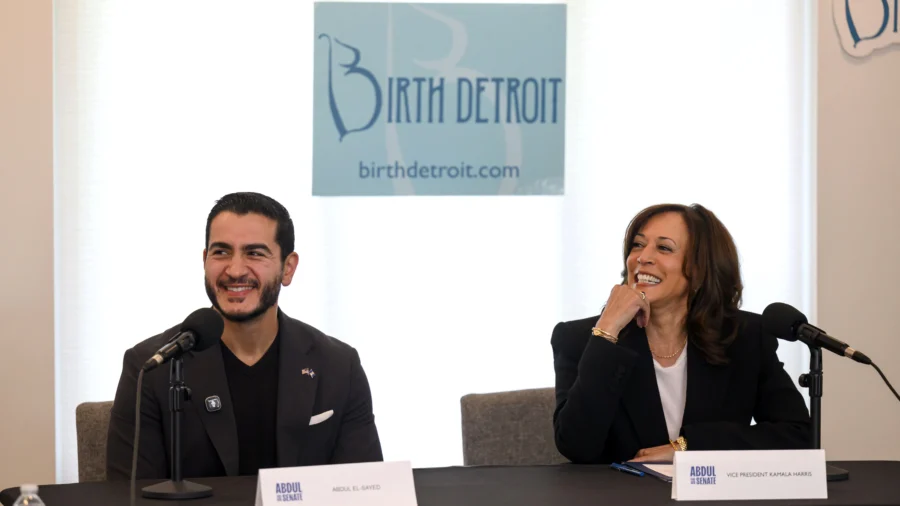
Image via NTD
Harris Stumps for El-Sayed: Michigan Politics, National Money, and the Suburb Test
Political strategists are gaming out what it means for Kamala Harris to campaign alongside Dr. Abdul El-Sayed in Michigan, with their Detroit stop framed around reproductive health. For Democrats, it’s the classic turnout play: energize the base in urban cores, drive small-dollar fundraising, and keep the coalition glued together heading into a tight Senate map.
The risk is just as plain. Harris is a lightning rod, and in swing-state suburbs the voter is less ideological and more cost-of-living minded. When a national figure shows up, the conversation shifts from local problems like jobs, crime, and inflation to national culture fights, and that can harden opposition turnout just as fast as it juices your own.
🏛 Wade's Take: When a campaign turns into a traveling national brand, local issues get crowded out, and local businesses get stuck holding the bag when policy gets symbolic instead of practical. If El-Sayed wants to win persuadable voters, he’d better talk about permitting, taxes, and paychecks, not just applause-line politics. Investors should watch Michigan like a bellwether: if the suburbs keep drifting left, expect more regulation pressure in autos, energy, and housing.
📎 NTD
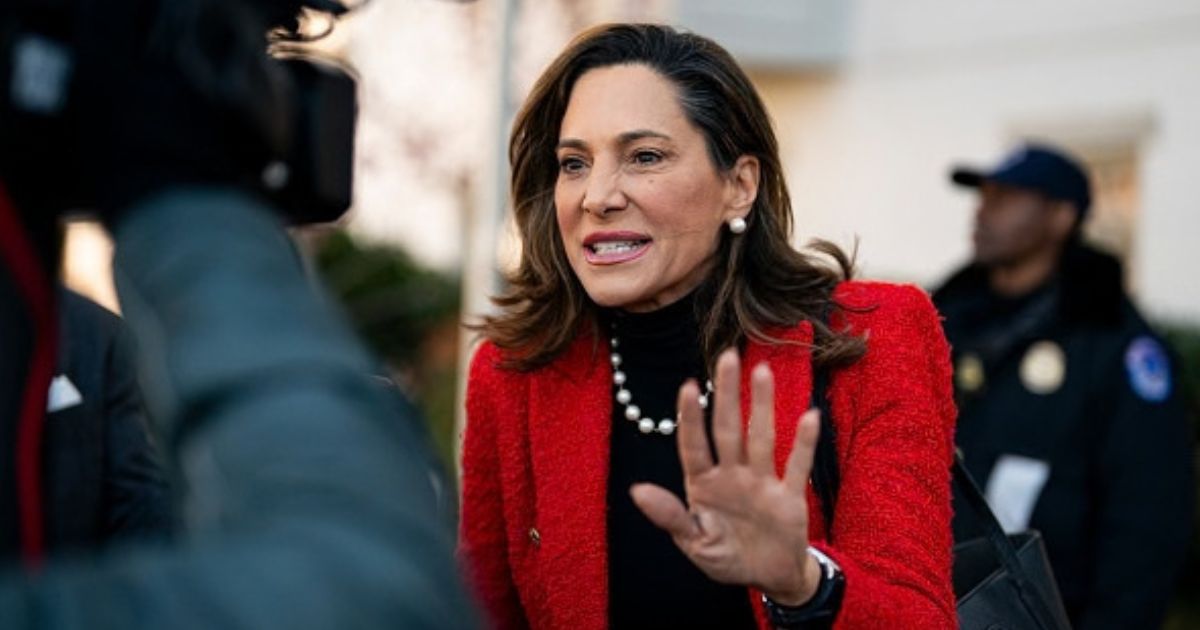
Image via Western Journal
Florida GOP Civil War: Trump-Endorsed Salazar Slams Deportation Agenda
Florida Rep. Maria Elvira Salazar, previously endorsed by President Trump, is airing a campaign ad that directly criticizes his sweeping deportation agenda. The message is a bright flare inside the Republican coalition: enforcement-first voters want hard lines, while others in the party are trying to carve out room for legal status solutions, especially in districts with large immigrant communities and business owners who rely on steady labor.
Politically, it’s a gamble. You don’t win Republican primaries by looking squishy on the border, but you can lose a general election if voters think you’re for chaos, either at the border or in the workplace. For employers, the real question isn’t the ad copy, it’s whether Washington can produce a stable rulebook that doesn’t change every election cycle.
🏛 Wade's Take: I’m for border control and I’m also for clarity, because uncertainty is a tax on every contractor, restaurant, farm, and builder in the state. If Republicans can’t speak in one voice on enforcement plus an orderly legal workforce pipeline, Democrats will keep painting us as either cruel or incompetent, and neither helps a small business make payroll. Markets like predictability, and right now immigration policy is political whiplash.

Image via The Hill
Netanyahu at the UN With Iran War Front and Gaza Still Smoldering
Prime Minister Benjamin Netanyahu is set to address the UN General Assembly as the U.S.-Israel war in Iran and the continuing fallout in Gaza dominate the agenda. UN speeches don’t end wars, but they do signal red lines, shape alliances, and move public opinion, which in turn can influence what Congress is willing to fund and what allies are willing to support.
For Americans watching from home, the immediate pocketbook exposure runs through energy, shipping, and defense spending. Any hint of escalation risk in the region can ripple into oil prices and insurance costs for cargo routes, and that feeds straight into inflation expectations and the Federal Reserve’s posture.
🏛 Wade's Take: Foreign policy isn’t abstract when diesel jumps and the Fed stays tighter for longer. If this turns into a prolonged regional fight, expect energy volatility and more pressure on budgets already strained by debt and higher rates. As an investor, I’d be cautious on anything heavily dependent on cheap fuel and smooth shipping, and I’d keep an eye on defense and domestic energy producers.
📎 The Hill
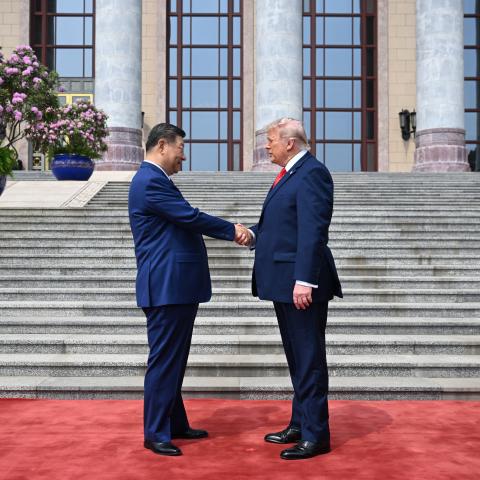
Image via Just the News
Trump and Xi Talk "Super Intelligence": High Stakes for Chips, Data, and Markets
President Trump plans to discuss AI, which he’s started calling “super intelligence,” with China’s Xi Jinping. The branding is less important than the substance: whoever sets the rules around advanced AI compute, export controls, and data governance will tilt the playing field for semiconductors, cloud platforms, defense tech, and education.
Any U.S.-China AI dialogue has two competing tracks. One track is risk reduction, trying to prevent misunderstandings and runaway escalation. The other is economic competition, because access to top-tier chips, talent, and training data is the new oil field, and every restriction or carve-out will show up in corporate margins, capex plans, and supply chains.
🏛 Wade's Take: Call it AI or call it “super intelligence,” but don’t forget it’s still hardware, electricity, and regulation underneath the hype. If these talks lead to tighter export rules or retaliatory limits, you’ll see it first in semis and industrials, then in broader earnings. I’d rather own the picks-and-shovels names with real cash flow than chase story stocks that depend on political goodwill between Washington and Beijing.

Image via American Thinker
Department of Labor vs. PBM Reform: Who’s Protecting the Middlemen?
A new critique argues the Department of Labor is undercutting momentum for PBM reform, raising questions about why Washington can’t seem to stop defending the most opaque toll collectors in healthcare. PBMs sit between drug makers, insurers, and pharmacies, and they’ve mastered a system of rebates and spread pricing that is hard for employers and patients to see, but easy to feel when premiums rise.
The key tension is that many employer health plans fall under federal oversight tied to labor and benefits rules. If regulators shape PBM policy in ways that preserve complexity, it keeps the cash machine running while small businesses keep swallowing annual premium spikes. That’s not just a healthcare story, it’s a labor-market story, because benefits inflation crowds out wages and hiring.
🏛 Wade's Take: If you want to help working families, start by pulling the mask off the pricing chain and forcing pass-through transparency, because hidden spreads are just a quiet tax. Small businesses don’t have a lobbying shop in D.C.; we pay the bill and hope the renewal doesn’t wreck next year’s budget. PBM reform should be simple: disclose the money, align incentives, and stop protecting the middlemen.
That’s the map for today. Stay steady, watch where the incentives point, and remember: in politics like in real estate, the fine print is where they get you. — Wade Lawson, The Local Conservative
— Wade Lawson