Sponsored By:
August setups are already taking shape — and the biggest moves happen quietly, before the crowd notices. Are you entering early, or buying after the easy gains are gone?
GuyStocks delivers 100% free, real-time momentum alerts straight to your device — zero hype, pure data — so you're positioned in high-conviction trades before the broader market catches on.
Join GuyStocks Free TodayBy clicking the link above, you agree to receive emails from GuyStocks.com. You can opt out at any time. — Privacy Policy

Today’s roundup is about accountability: in energy, in elections, in media narratives, in financial “scandals,” and in criminal justice. If we want a safer, richer, more stable America, we’ve got to stop letting ideology outrun common sense.
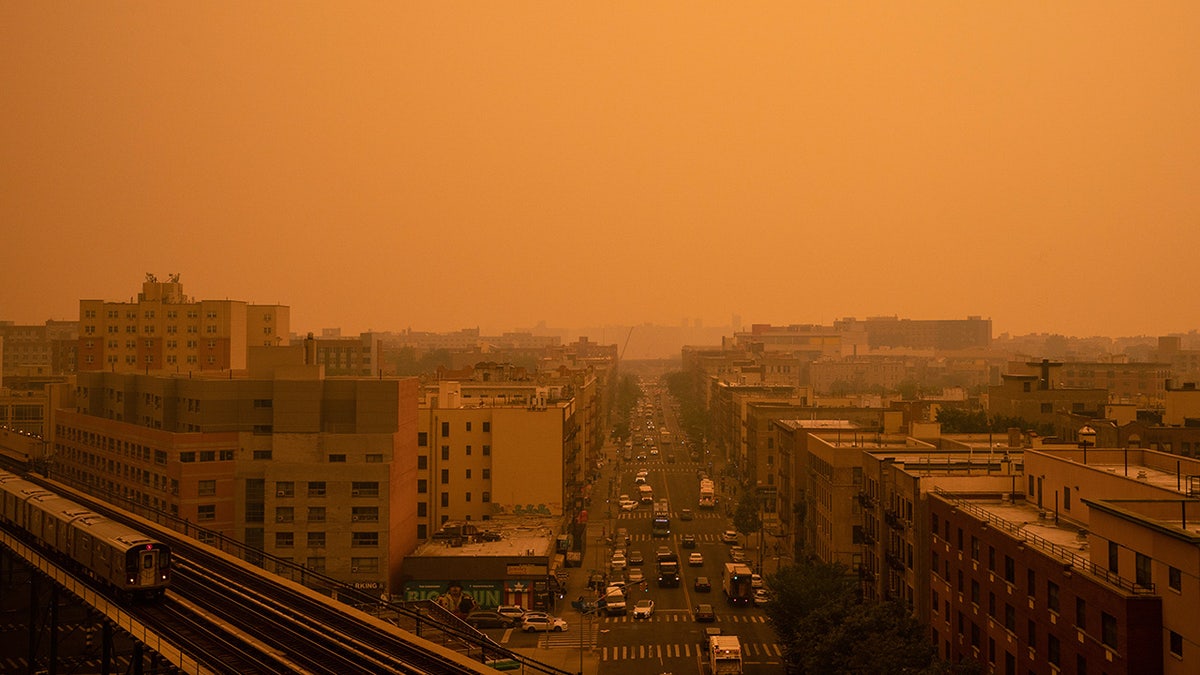
Image via Fox News
Heat Waves Don’t Care About Your Slogans: The Grid Has to Work
This summer’s brutal mix of wildfires, heat waves, and rolling blackouts is a real-world stress test, and too many places failed it. When smoke from massive fires can choke cities for days and heat can kill the elderly in their apartments, it stops being an abstract climate debate and becomes a basic public safety question: can your community keep the lights on and the air running?
A lot of what we’re seeing is the predictable result of policy choices. Forests that don’t get managed become fuel. Grids that bet heavily on intermittent power without sufficient baseload and storage get fragile at the exact moment demand spikes. And when nuclear gets sidelined for political reasons, we end up leaning harder on whatever can be spun up fast, often at higher cost.
For small business owners, blackouts aren’t just inconvenient, they’re revenue losses, spoiled inventory, insurance claims, and angry tenants. For property owners, unreliable utilities and rising energy costs hit cap rates and valuations. Reliability is not optional infrastructure; it’s the floor beneath everything else.
🏛 Wade's Take: I’m not interested in arguing about anyone’s feelings on “green.” I’m interested in whether the grid holds and whether families can afford to live indoors in August. We should be managing forests like adults, building real baseload power like nuclear, and expanding transmission and gas backup so businesses aren’t gambling payroll on the weather.
📎 Fox News
GOP Midterms: Talk Like You Want to Govern, Not Just Win a Clip
Trump-world advisers are reportedly pushing Republican candidates to change the midterm message: more focus on health care, less on the usual culture-war greatest hits. That’s a telling signal that even inside the party, there’s concern about how the pitch is landing with swing voters who are tired, financially squeezed, and trying to plan their own lives.
Health care is one of those issues where regular people don’t care who “won the argument” on TV. They care about premiums, surprise bills, access, and whether their small employer plan is getting priced off the map. If Republicans want to build a durable majority, they’ve got to show competence on the kitchen-table stuff without drifting into big-government promises that blow up the budget.
This is also an economic story. Health care costs are a hidden tax on hiring. When premiums jump, small firms freeze headcount, cut hours, or drop coverage. That hits household confidence, consumer spending, and ultimately the local economy.
🏛 Wade's Take: Republicans ought to run like the party that actually has to make payroll, because that’s who we represent. Put health care reform in plain English: more competition, price transparency, tort reform, and portable plans that don’t punish job changes. And while we’re at it, stop acting like voters are silly for wanting to know what you’ll do after Election Day.
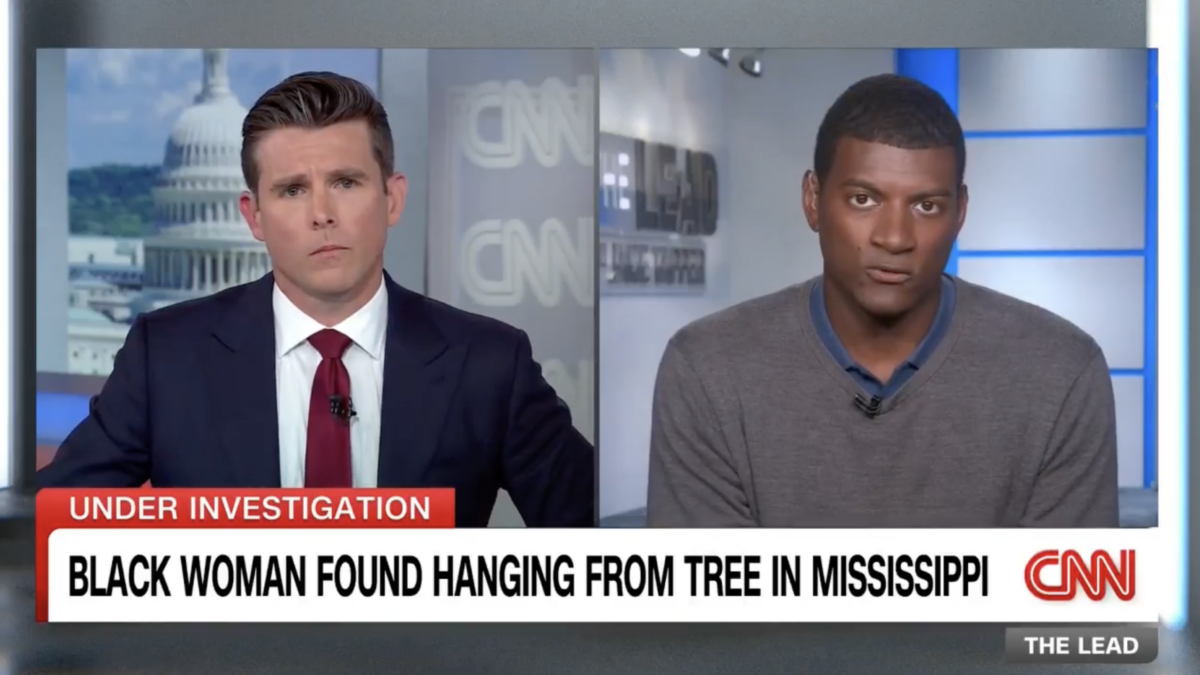
Image via The Federalist
The Media’s Favorite Product: Panic, Before the Facts Are In
CNN is catching heat for promoting a sensational, race-charged narrative around a disturbing case in Mississippi, before the public had anything close to complete facts. This pattern isn’t new: a shocking early framing hits social media, activists and politicians react, and only later do details arrive that complicate or even contradict the first impression.
When newsrooms blast out the most inflammatory angle first, they’re not just “reporting.” They’re shaping public perception in a way that can’t be undone by a quiet correction two days later. That erodes trust and raises community temperatures in places that already have enough problems without national media dropping a match and walking away.
There’s an economic cost to this too. Communities get branded overnight, businesses get boycotted, tourism takes a hit, and local investment decisions get clouded by reputational noise. If you’re trying to recruit employers or keep downtown tenants, you don’t need a national outlet running with a narrative that isn’t nailed down.
🏛 Wade's Take: If a story is true, it’ll still be true after you verify it. The rush to label everything a racial crisis isn’t journalism, it’s content marketing, and it burns down trust like dry timber. I want facts, accountability, and corrections as loud as the accusation when the accusation turns out wrong.
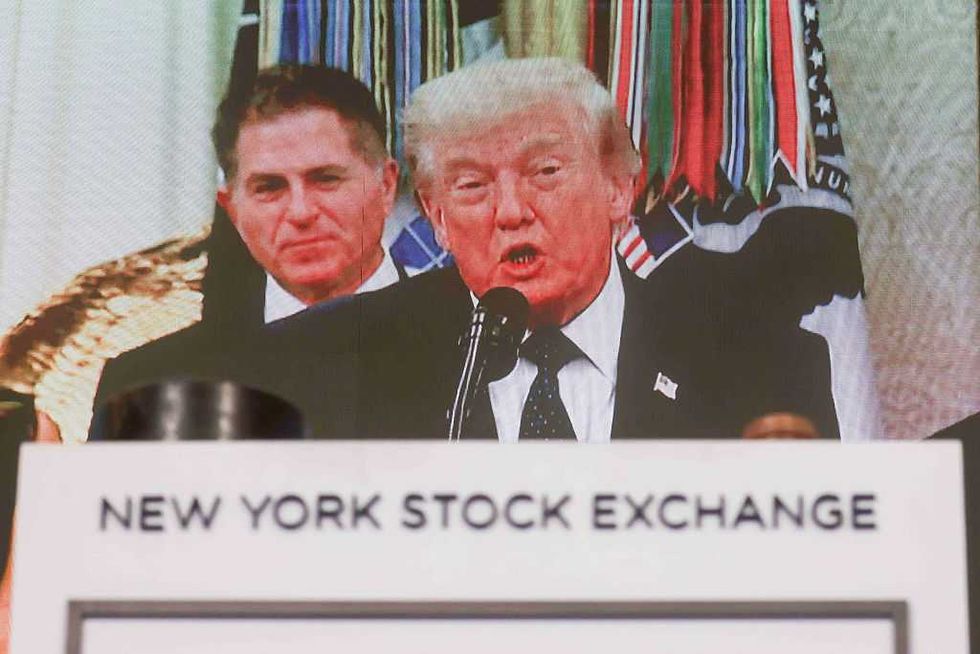
Image via TheBlaze
Insider Trading Claims? The Numbers Matter More Than the Narrative
A new round of commentary is swirling around President Trump’s financial disclosures, with critics implying suspicious timing and insider trading. The counter-argument being made is straightforward: if you look at the disclosed trades and outcomes, the performance doesn’t match what you’d expect from someone supposedly gaming privileged information.
This is where people need to slow down and separate politics from markets. Real insider trading typically shows up as unusually precise timing, concentrated bets, and consistent abnormal returns around specific events. Most public disclosures, by contrast, are broad ranges, delayed reporting windows, and incomplete pictures of an investor’s actual exposures.
I’m all for enforcing the rules, but I’m also for applying them evenly. Washington has a long, ugly history of lawmakers beating the market with uncanny consistency. If the standard is “any profitable trade looks suspicious,” we’re going to prosecute headlines instead of crimes.
🏛 Wade's Take: Either we have rules or we have rumors, and I prefer rules. If there’s evidence of illegal trading, investigate it the right way and apply the same heat to every politician who magically outperforms the S&P year after year. But I’m not buying scandal-by-dashboard when the basic math doesn’t support the insinuation.
📎 TheBlaze
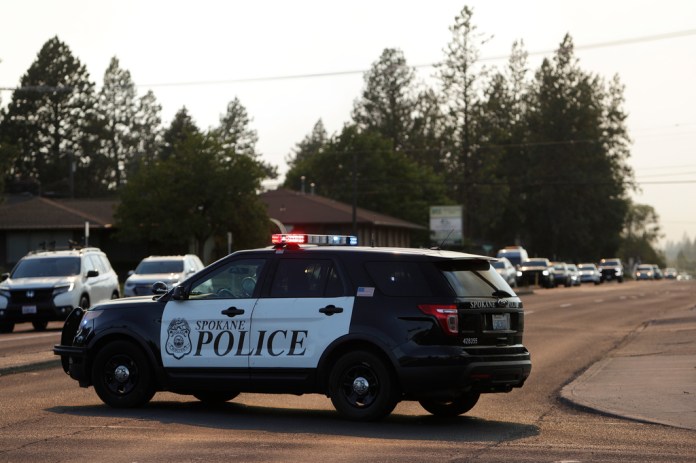
Image via Washington Examiner
Serial Arson Isn’t Protest, It’s Terror: Treat It Like One
The Washington Examiner argues that society needs to stop manufacturing sympathy for an alleged serial arsonist tied to catastrophic wildfires near Spokane. Prosecutors say the suspect admitted to starting one wildfire and more than two dozen other fires, and the damage from large-scale arson isn’t theoretical: it destroys homes, kills livelihoods, and can take lives.
Wildfire devastation isn’t just “nature.” When a person deliberately lights fires, that’s an attack on a community’s safety and economic base. It wipes out housing stock, drives up insurance premiums, forces businesses to close, and can permanently depress property values. Ask anyone trying to refinance a building in a high-risk zone what insurers are charging now.
There’s also a deterrence question. If the penalty system signals that mass destruction will be met with endless excuses, you invite copycats and you tell victims their losses are just collateral in somebody else’s story.
🏛 Wade's Take: If prosecutors can prove beyond a reasonable doubt that someone intentionally set fires that endangered lives and destroyed entire communities, that’s not a candidate for social-worker poetry. That’s a predator, and the justice system should prioritize punishment and deterrence, including the harshest penalties the law allows. The first duty of government is public safety, not self-explaining evil.
I’m Wade Lawson, and I’ll keep reading the politics like a deal sheet: who pays, who profits, and who gets stuck holding the bag. See you next issue.
— Wade Lawson