Sponsored By:
A stock trading at $3.55 is paying a near-10% yield — and raising it. The company behind it owns a library of factual programming, licenses it to streaming platforms, and just posted record quarterly net income of $8.9 million with 73% gross margins. Licensing revenue is up 48% year over year. At a $209 million market cap, it flies completely under the radar of most dividend investors.
It's one of five sub-$5 stocks in a free report from Trading Tips — each picked from real filings, across five different sectors. The list includes a uranium producer mining at ~$40/lb and selling near $67, plus two names that are already profitable today. Five stocks, every number sourced. No fluff.
Get the Free ReportBy clicking this link you agree to receive emails from Trading Tips and our affiliates. You can opt out at any time. — Privacy Policy

Today’s roundup runs through a hard truth: systems built to “keep us safe” can still wreck innocent lives, while political machines and federal paper-pushers keep rolling along. If you own property, run payroll, or invest for your family, the through-line is accountability — and the cost of not having it.
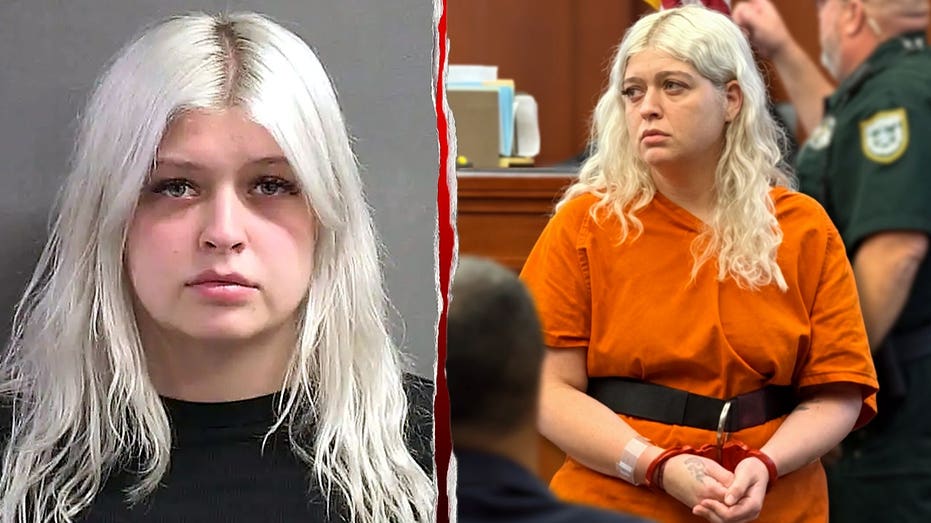
Image via Fox News
License-Plate Cameras Put a Mom in a Cage for 13 Days
A Florida woman, Lindsey Brooke Isaacs, says she spent 13 days in jail after a Flock license-plate reader system flagged her Dodge Durango near the scene of a fatal crash that killed three people. According to her account, the technology match helped point police in her direction, and she was arrested and held while authorities worked through what happened.
The big issue isn’t whether departments should use tools like plate readers — it’s what happens after the alert. When a system produces a “hit,” the chain of decisions that follows has to include basic verification, a clear standard of evidence, and fast review when a person says, “You’ve got the wrong one.”
Cases like this are also a reminder that once you’re in the system, the burden flips. You’re no longer an American presumed innocent; you’re a file number waiting for someone to push the right button, and that can take days you’ll never get back.
🏛 Wade's Take: I’m pro-law enforcement and pro-public safety, but I’m not pro-automation replacing judgment. If a camera alert can cost an innocent person two weeks of their life, then departments need tighter policies, faster supervisory review, and real consequences when they skip verification steps. Conservatives should be the first ones demanding due process with teeth, because the government never makes its mistakes on its own time — it makes them on yours.
📎 Fox News

Image via Washington Examiner
Shaheen Name Holds in New Hampshire as Stefany Wins Primary
Stefany Shaheen won the Democratic primary for New Hampshire’s 1st Congressional District early Wednesday, narrowly defeating Maura Sullivan. The victory keeps the Shaheen political brand moving forward, extending the family’s influence in a state where name recognition and organization still matter.
Primaries like this are less about big ideological swings and more about turnout mechanics: donor networks, endorsements, and who can get reliable voters to the polls. A close win also suggests Democrats are working through internal debates about messaging, priorities, and how aggressive to be heading into the general election season.
For investors and business owners watching the region, House races can shape everything from tax posture to regulatory pressure, especially around energy, housing, and banking rules. Even one seat can matter when Congress is tight and every vote becomes leverage.
🏛 Wade's Take: Political dynasties aren’t a sin, but they’re not a strategy for the country either. If Shaheen wants to earn more than the last name, she’ll need to show she understands what high rates, high insurance, and high regulation are doing to small businesses and housing affordability. Voters should stop treating Congress like a family heirloom and start treating it like a job performance review.

Image via New York Post
Deadly Amazon Cargo Crash Raises Old Questions About Safety and Contracts
A deadly Amazon Prime Air cargo plane crash in Miami killed five people, and reporting says the North Carolina-based operator involved has faced a history of whistleblower complaints about safety. The focus now turns to what was reported, what was documented, and whether warnings were addressed before tragedy struck.
This is the uncomfortable side of modern logistics: giant brands push speed and scale, but much of the flying is done through contractors and operators you’ve never heard of. When incentives reward on-time performance and cost control, management has to work twice as hard to keep safety culture from slipping — and regulators have to be sharp enough to spot patterns before they become headlines.
For the broader economy, incidents like this don’t just bring grief — they bring litigation, insurance repricing, and tighter scrutiny that can ripple across shipping costs. When transportation risk gets repriced, every business that depends on delivery schedules and inventory flow feels it.
🏛 Wade's Take: Every businessman understands subcontracting, but you don’t outsource responsibility. If whistleblowers were waving flags and leadership didn’t act, that’s not “a paperwork miss” — that’s an operational failure with bodies attached. Amazon and its partners should expect a hard look, and the public should demand transparent findings, because safety corners always get paid for eventually, with interest.
Culture-Politics Gamesmanship Turns Women’s Rights Into a Bargaining Chip
A Townhall column argues another left-leaning politician is sacrificing women’s protections and expectations in order to appease Muslim constituencies. The piece frames the issue as a pattern: progressive leaders publicly champion women’s equality, then soften standards or rhetoric when cultural or religious sensitivities collide with that message.
Whatever your politics, this is a real governing challenge in pluralistic communities: how to respect religious freedom without carving out special exemptions that erode equal treatment under the law. The argument in the column is that the modern Left often tries to manage the conflict through selective enforcement and careful language, rather than stating clear principles and applying them consistently.
These debates don’t stay in the culture lane. They show up in school policies, workplace rules, law enforcement posture, and the general sense of whether a community runs on one set of rules or many — which matters for stability, migration patterns, and long-term investment confidence.
🏛 Wade's Take: You don’t build a healthy society by creating two rulebooks: one for the loudest activists and one for everybody else. If a politician believes women deserve equal protection and equal opportunity, that belief has to survive a tough meeting with any voting bloc, religious or otherwise. Consistency is the whole point of the rule of law, and communities that lose it don’t just lose cohesion — they lose capital.
📎 Townhall

Image via Just the News
Declassified Flynn Notes Reignite Debate Over FBI Paper Trails and Power
Declassified FBI notes reportedly reveal discrepancies between handwritten agent notes and the official FBI records tied to the interview of former national security adviser Michael Flynn. The new material is being cited as evidence that the formal documentation may not have fully matched what agents recorded contemporaneously.
Cases like this matter beyond one man or one administration because the system runs on documentation: reports, summaries, memos, and the credibility of the chain from interview room to courtroom. If there are meaningful gaps between raw notes and official write-ups, it raises questions about process integrity, supervisory review, and how easily narrative can harden into “fact” once it’s stamped into an official record.
For public trust, the issue isn’t whether you like Flynn. It’s whether federal agencies can be relied upon to preserve and present records accurately, especially when politics is swirling and careers are on the line.
🏛 Wade's Take: I’ve negotiated enough leases to know one truth: whoever controls the paperwork controls the outcome. If official FBI records can drift from original notes in a politically charged case, then reforms shouldn’t be optional — they should be mandatory, auditable, and punishable when violated. The same government that demands compliance from your business ought to meet an even higher standard itself.
That’s the report for this Wednesday. Keep your eyes on the incentives behind the headlines — that’s where the next move in politics and markets usually shows up first.
— Wade Lawson