In partnership with

The ice cream shop that makes money when it's cold

28 Wishes sells ice cream in Los Angeles. Below 70°F, sales fall about 20%. The weather is out of their hands. Rent isn't.
So the owners started putting about $20 a day into Kalshi weather markets, taking the cold side. The days that keep customers away now pay something back.
This is hedging. Big companies have done it for decades, buying protection against bad weather, fuel spikes and rising rates. It used to take a broker, a trading desk, and an order size no corner shop could meet.
Kalshi opens it up. Contracts on weather, fuel prices, inflation, tariffs and regulation, starting at a few dollars. Take a position on the outcome that would hurt you. If it hits, the payout softens it. If it doesn't, the contract expires and the good month was the point.

Five stories that matter to conservatives who run payroll, own property, and invest for the long haul—plus what I’m watching as the numbers come in.
Image via Washington Examiner
DOJ Sends Election Monitors To All 50 States: Trust Builder Or Power Grab?
The Department of Justice says it is launching the largest voting-monitoring operation in its history, deploying roughly 1,000 monitors and observers across all 50 states. That’s a first, and it lands on a day when trust is already the rarest commodity in American public life.
If you’re a small business owner, you know what happens when one side shows up with clipboards and “oversight” while the other side is already suspicious: you don’t get harmony, you get escalation. The question isn’t whether elections should be lawful and clean—we all want that. The question is who defines “clean,” how transparent the process is, and whether this turns into a permanent federal presence hovering over local election officials.
Markets hate uncertainty, and contested results are uncertainty on steroids. If this effort reduces chaos and improves confidence, fine. If it’s used as a narrative machine—selectively amplified incidents, selective outrage—it’ll keep the country locked in a cycle that bleeds into consumer confidence, hiring plans, and investment decisions.
🏛 Wade's Take: A federal monitor in every state might sound “responsible,” but it also sounds like Washington getting comfortable treating local election administration like a federal program. If DOJ wants legitimacy, they should publish clear, narrow rules of engagement and commit to equal scrutiny everywhere, not just where it’s politically convenient. Trust is built with transparency, not with sheer headcount.

Image via National Review
Europe’s Unity Problem: You Can’t Prosper By Voting Away Competition
A National Review essay argues the core weakness in the European project is the attempt to smooth away competition between nations. The pitch of “ever-closer union” sounds like stability, but too often it turns into bureaucracy, subsidies, and rules that make it harder for countries to experiment, reform, and outgrow their own bad decisions.
From an investor’s seat, Europe’s problem is that it keeps trying to regulate its way to growth. Heavy labor rules, energy policy confusion, and a dependency mindset have real costs—slower productivity, weaker domestic investment, and businesses that look to the U.S. for scale and to Asia for manufacturing.
Competition is how you get accountability. When jurisdictions compete—on taxes, permitting speed, labor flexibility, and energy reliability—leaders have to deliver or lose capital and talent. The same concept applies in America: states that respect work and enterprise win people and projects.
🏛 Wade's Take: Europe’s lesson is simple: central planning dressed up as “unity” still fails like central planning always does. Conservatives should defend federalism at home the way we defend competition in markets—because local control is a check on elite mistakes. Capital flows to freedom, and people follow the capital.

Image via Daily Caller
Election Night Reality Check: The Races That Tell You If It’s Champagne Or Panic
A Daily Caller guide lays out the key races and timing signals that will shape how Republicans feel as results roll in tonight. The value in a guide like this isn’t the gossip—it’s the roadmap: which districts report early, what margins matter, and where a small shift in turnout can flip the story.
For business folks watching from the sidelines, remember what really moves markets isn’t the color of the map—it’s the policy mix. If investors smell higher taxes, more regulation, and more spending, they price that in fast. If they smell divided government, slowed-down legislation, and a higher bar for new mandates, you typically see a different kind of confidence.
The early-warning signs are usually suburban margins and turnout patterns, not cable-news commentary. Watch the places with lots of small businesses, commuters, and mortgage payments—those voters tend to react first to inflation, crime, and a general sense that the country’s drifting.
🏛 Wade's Take: Don’t let pundits sell you a narrative based on one shiny race. Look for consistent margins across similar districts—because that’s what tells you whether the electorate is rewarding competence or just punishing the party in charge. And from an investor’s standpoint, the closer we get to policy gridlock, the more predictable the operating environment gets.
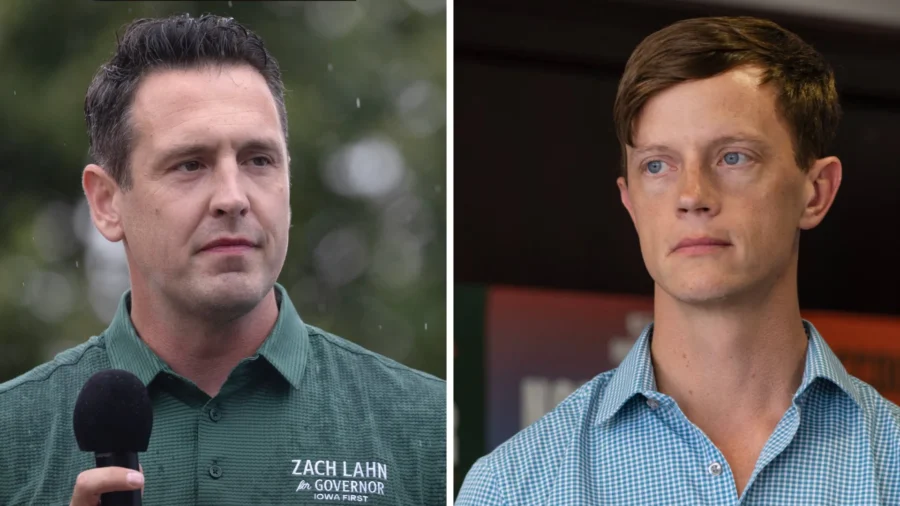
Image via NTD
Governors Matter More Than Washington Thinks: The 2026 Races With Real Economic Consequences
NTD highlights several gubernatorial races to watch in the 2026 midterms, with attention on key states where the direction of leadership will affect everything from education policy to public safety. Governors aren’t just ribbon-cutters—they’re effectively the CEOs of their states, and they set the tone for whether a state is open for business or drowning in paperwork.
If you own property or operate a company across state lines, you already know the truth: state policy hits your bottom line before federal policy does. Tort rules, energy permitting, workforce training, infrastructure execution, and the general attitude toward employers—those are governor-level decisions with real-world consequences for job growth and commercial demand.
The other reason these races matter is migration. People and companies move to where they’re treated like adults. That shifts housing demand, tax bases, and long-term investment returns in ways Washington can’t paper over with a press conference.
🏛 Wade's Take: If you care about economic freedom, you should care about governors as much as senators. The best states win by making it easy to build, hire, and expand—and the worst states punish productive people until they leave. I’m watching which candidates talk about permitting reform, energy reliability, and public safety like grown-ups, not slogans.
📎 NTD
Image via Western Journal
NBC Data Hint: Democrats’ Approval Problem Could Be Bigger Than The Polls Admit
The Western Journal points to NBC News analysis suggesting Democrats’ weak approval numbers may still give Republicans a path to holding the House and Senate, even if top-line polling looks tight. The argument is that approval, intensity, and late-breaking judgment calls can matter more than a snapshot poll—especially when voters are unhappy with direction-of-country.
Approval is a quiet indicator, but it’s powerful. When the governing party’s brand is underwater, ticket-splitting becomes more likely, turnout goals get harder, and “undecideds” tend to break against incumbents. That’s not ideology—that’s human nature when the grocery bill won’t quit and the public senses disorder.
For the economy, the practical impact is whether the next Congress leans into spending restraint and oversight or gives the administration a clearer runway. Businesses make plans based on what rules and costs they can predict, not what promises sound good on TV.
🏛 Wade's Take: Approval is the business world’s version of customer satisfaction, and low satisfaction usually shows up at the cash register. If Democrats are sitting on weak numbers, Republicans still have to earn it—by sounding competent, not chaotic. The opportunity tonight is real, but it only turns into results if GOP candidates look like steady managers of the country’s checkbook.
That’s the roundup. Vote, keep your head, and remember: policy always shows up later in your taxes, your rent roll, and your investment statements. See you tomorrow. Wade Lawson, Editor, The Local Conservative
— Wade Lawson