Sponsored By:
By the time a small-cap stock is making headlines, the early opportunity is already gone. The real setups develop quietly — in the companies building the infrastructure and technology behind the trend, before the crowd arrives. That's exactly where we're looking right now.
We've identified five under-the-radar profiles showing early signals — shifting volume, momentum, and positioning — that historically appear before broader attention moves in. Our latest free report breaks down how we spot these setups and names the five companies currently on our watchlist.
Get the Free Watchlist ReportWe encourage readers to perform their own research and due diligence on any information we provide. By clicking the link above, you will automatically be subscribed to the Krypton Street Newsletter. To view our privacy policy, visit lifewatermedia.com/privacy-policy.

Five stories today, one theme: who’s got leverage and who’s paying for it. From Washington’s border dysfunction to Fed inflation crosswinds and a near-miss in Iran, the consequences land on small businesses, markets, and the kind of families that still balance checkbooks.
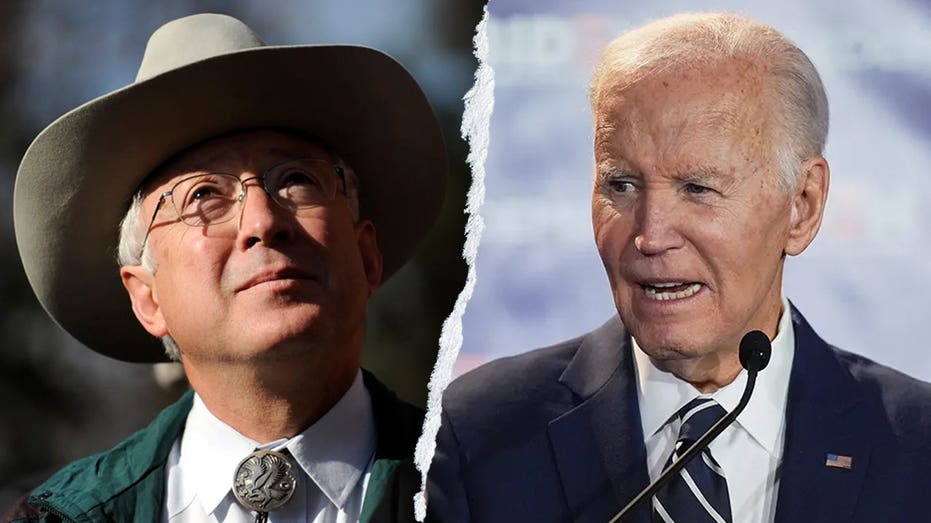
Image via Fox News
Salazar’s Border Regret Tour: Insider Says He Nearly Took on Biden, Then Unloads on Kamala
Ken Salazar, Biden’s former ambassador to Mexico, is out with a new book excerpt saying he seriously considered running for president after Biden’s 2024 debate meltdown. The headline isn’t just personal ambition—it’s an insider conceding, in plain terms, that the administration’s border posture was so politically toxic it could’ve triggered a civil war inside their own party.
Salazar reportedly lays blame across the top of the ticket, taking particular aim at Vice President Kamala Harris and the handling of the border portfolio. When a senior Democrat who’s lived the Mexico file is willing to say out loud that the border mess was a breaking point, it tells you the donor class, business class, and swing-state Democrats all saw the same thing: the policy wasn’t just failing—it was eroding legitimacy.
Here’s what matters economically: border chaos doesn’t stay at the border. It shows up in strained local services, wage pressure in certain segments, higher insurance and security costs, and a constant drumbeat of political volatility that spooks investment and muddles policy planning for employers.
🏛 Wade's Take: If a guy like Salazar was considering a run over the border, that tells me the adults in the room knew it was unsustainable long before the press admitted it. Conservatives should treat this as confirmation: enforcement isn’t "mean," it’s basic governance—and markets reward countries that can control their own front door. The longer leaders pretend otherwise, the more you and I pay through taxes, inflation, and social friction that kills growth.
📎 Fox News
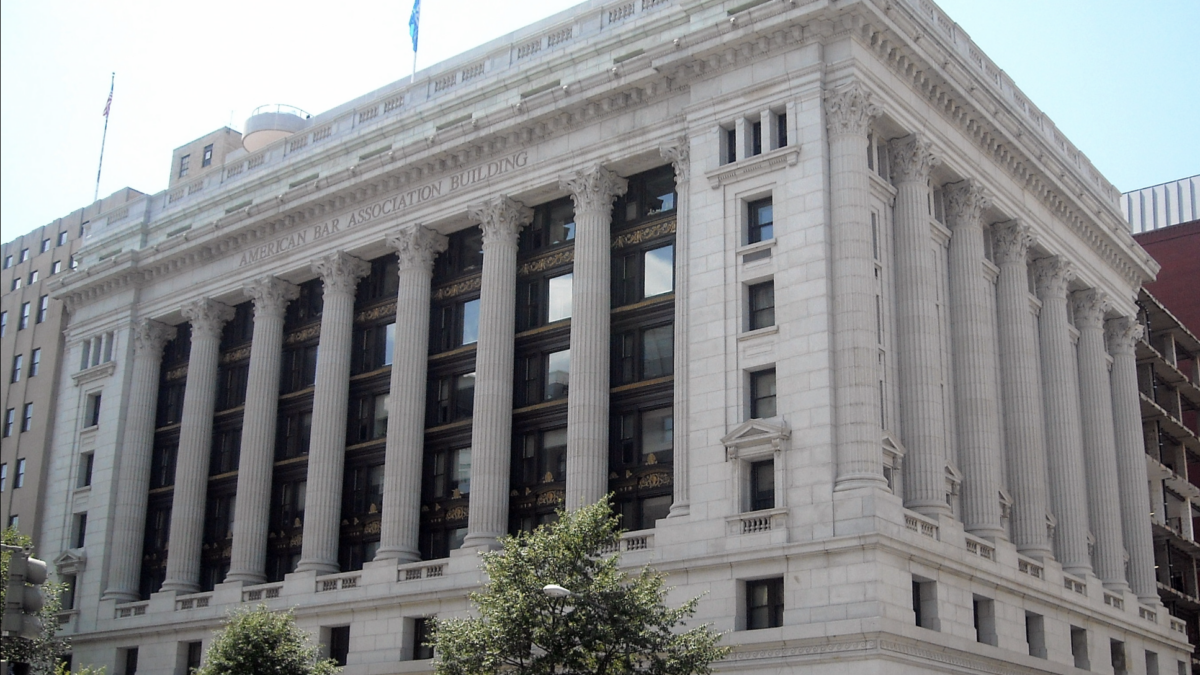
Image via The Federalist
The Left’s Legal Monopoly Isn’t an Accident—And Trump Has a Window to Break It
The Federalist makes the case that President Trump has a rare opportunity to push back on what it calls the Left’s long-running dominance in the legal ecosystem—elite law schools, big foundations, bar associations, and the networks that churn out judges, clerks, and “neutral” experts who somehow always land on the same political side.
The argument is straightforward: this isn’t about politicizing a pristine institution, it’s about admitting the institution has been politicized for decades—just in a way that benefits one team. If you accept that premise, then the question becomes whether Republicans have the backbone and the operational competence to build durable counterweights: talent pipelines, legal aid alternatives, regulatory reform, and appointment strategies that don’t fold at the first bad headline.
For business owners, the legal climate is the climate. It dictates your compliance costs, your exposure in employment disputes, how easy it is to build, how fast you can permit, and whether a regulator can effectively make law without a vote.
🏛 Wade's Take: I’m not interested in vengeance—I’m interested in symmetry. If the rules of the game have been tilted, you don’t fix it with speeches; you fix it by building institutions and staffing them with serious people who understand growth, property rights, and constitutional limits. The most pro-business thing Washington can do is make law predictable again, so entrepreneurs can plan without getting ambushed by a novel legal theory cooked up in a nonprofit boardroom.
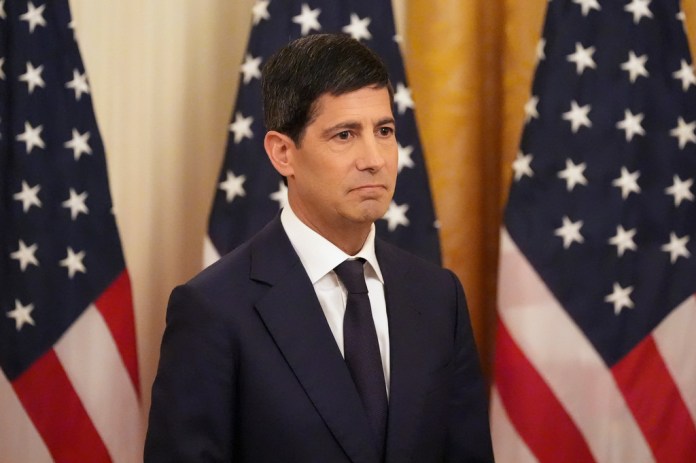
Image via Washington Examiner
Fed Chair Warsh’s Iran Inflation Problem: You Can’t Rate-Hike an Oil Shock
The Washington Examiner warns that Federal Reserve Chairman Kevin Warsh is facing a familiar trap: inflation pressure rising from forces the central bank doesn’t control, especially the economic fallout tied to war with Iran. When energy and shipping costs spike, it hits everything—transportation, plastics, fertilizers, food inputs—and the CPI starts climbing even if domestic demand is cooling.
That’s the bind. If the Fed tightens aggressively to prove it’s “tough,” it risks breaking interest-rate-sensitive parts of the economy—housing, commercial real estate, small business credit—without actually fixing the root cause. But if it sits on its hands, inflation expectations can re-ignite, wages chase prices, and we’re right back in the credibility crisis that punished working families and retirees.
Warsh’s job isn’t just math—it’s sequencing. Markets don’t merely respond to the fed funds rate; they respond to whether the Fed looks like it has a plan that matches reality.
🏛 Wade's Take: As a real estate guy, I’ll tell you the truth: rate shocks don’t hit "Wall Street" first—they hit Main Street refinance calendars, construction loans, and lease renewals. The Fed needs to be humble about what it can’t fix and laser-focused on what it can: financial stability, liquidity backstops, and clear guidance that doesn’t whipsaw capital planning. If Iran is driving energy inflation, Washington’s foreign policy and domestic energy policy matter more than another quarter-point hike.
Three Hours from Striking Iran—Then Trump Hit the Brakes with a Deal "Breakthrough"
Breitbart reports the U.S. military was roughly three hours away from launching another round of strikes against Iran when President Trump abruptly halted the operation after announcing a deal breakthrough. If accurate, that’s not just a dramatic headline—it’s a snapshot of how close markets and households can get to an overnight price spike in oil, insurance, and global shipping.
A near-strike moment like that can ripple immediately into energy futures, airline and freight costs, and risk premiums across equities. Even if no missiles fly, the “almost” still matters: it signals how tight the escalation ladder is and how quickly miscalculation can turn into sustained disruption.
The strategic question is whether deal talk is buying time for something better—or simply pausing pressure at the moment it’s starting to work. The economic question is how many of these shocks the American consumer can absorb before spending rolls over.
🏛 Wade's Take: Stopping a strike if you’ve got real leverage and a real objective is leadership; stopping a strike because you’re spooked by headlines is how you invite the next crisis. I want peace, but I want enforceable peace—because the hidden tax on every family is energy volatility and the inflation it drags behind it. If Trump can extract verification and deterrence without firing, that’s a win; if it’s just a pause, the bill comes due later at the pump.
Trump Has More Leverage Than Netanyahu—And He Should Use It Like a Closer
The American Conservative argues that President Trump holds key leverage over Israel’s Prime Minister Benjamin Netanyahu, especially with Israeli elections on the horizon. The thesis: when political calendars tighten, leaders become more sensitive to U.S. signals—diplomatic, financial, and strategic—and Washington can use that moment to shape outcomes instead of simply reacting to them.
This isn’t about abandoning an ally. It’s about remembering what alliances are: shared interests, not blank checks. A smart U.S. posture uses leverage to reduce the odds of a wider regional war, protect American troops and assets, and keep global energy lanes stable—because the American middle class always ends up underwriting chaos through higher prices.
The subtext for investors is clear. The market hates uncertainty, and the Middle East writes uncertainty like it’s a full-time job. Elections add another layer of unpredictability, which is exactly why leverage matters most now.
🏛 Wade's Take: An ally isn’t a client and it isn’t a boss—so yes, Trump should use the leverage we actually have to protect American interests first. If elections create an opening to push for restraint, clear red lines, and shared burden, you take it. I’m pro-Israel, but I’m also pro-American worker, and endless escalation is a direct pipeline to inflation, higher rates, and weaker growth.
That’s the rundown for Friday. Keep your head on a swivel, keep your balance sheet conservative, and remember: in politics like in real estate, leverage cuts both ways. — Wade Lawson, The Local Conservative
— Wade Lawson