Sponsored By:
🎃 The market has its own tricks — and October is full of them. Sudden momentum, unusual activity, and stocks making big moves before anyone else notices. Don't get caught off guard.
GuyStocks delivers real-time momentum alerts 🕷️, flags unusual stock activity 👻, and gives you clear, actionable insights ⚡🔎 — so you're ahead of the move, not chasing it. And it's 100% free to join 🆓.
Join GuyStocks Free TodayBy clicking the button above, you agree to receive emails from GuyStocks.com. You can opt out at any time. — Privacy Policy

From Iran’s restive southeast to French street chaos to California’s never-ending transit boondoggles, today’s headlines all rhyme: weak governance has a price tag. Here’s who pays it, and where the money moves next.
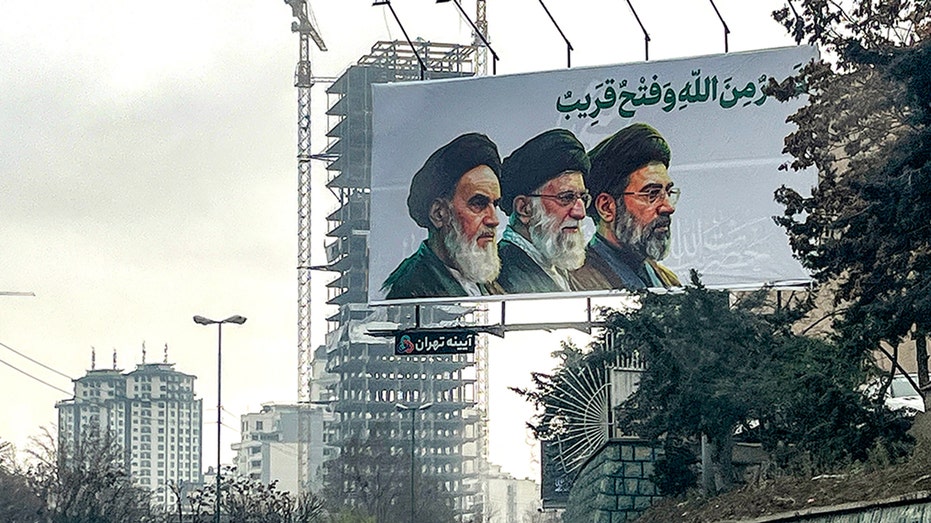
Image via Fox News
Iran’s Southeast Heats Up as Rebels Test Tehran’s Grip
A coalition of armed rebel groups is escalating attacks on Iranian regime forces in the country’s volatile southeast, raising fresh questions about Tehran’s ability to control its own territory. When a central government has to constantly reassert basic order, it’s a sign the system is spending more energy on survival than on growth.
For markets, instability inside Iran doesn’t just sit inside Iran. It tightens the risk premium across the region, raises the chance of miscalculation along key energy corridors, and adds another layer to already-jittery global shipping and insurance costs. Every time headlines like this hit, you can watch the same chain reaction: energy traders reprice risk, freight gets more expensive, and inflation pressure shows up in places regular families actually feel it.
There’s also a political angle that matters to U.S. investors and small business owners: the more insecure the regime feels at home, the more it may posture abroad to project strength. That’s when you see proxy activity, cyber mischief, and disruption attempts that hit Western companies, supply chains, and the price of security.
🏛 Wade's Take: If Tehran is getting stretched inside its own borders, that’s not a reason to relax; it’s a reason to stay clear-eyed. Unstable regimes don’t always collapse neatly, and they rarely go quietly. For investors, I keep a disciplined energy hedge mindset here: don’t chase spikes, but respect that geopolitical risk can reprice oil and shipping overnight, and that trickles straight into Main Street costs.
📎 Fox News
France’s Law-and-Order Crisis: A Mayor Says Police Ran Out of Ammo During City Hall Arson
The mayor of Limoges says national police ran out of ammunition amid an arson attack on City Hall, calling it a colossal failure by Macron’s government. Whether every detail lands exactly as described, the broader signal is hard to miss: when the state can’t protect core public institutions, confidence drains fast.
Europe’s security challenges have a way of showing up in economic data with a delay. Businesses pull back investment, insurers tighten terms, tourism softens, and cities start carrying higher operating costs just to keep the lights on and the streets safe. Property markets don’t like chaos; commercial tenants don’t sign long leases in places where disorder feels normal.
For Americans watching from across the Atlantic, this is also a reminder that “big government” isn’t the same thing as “competent government.” You can tax a lot, regulate a lot, and still fail at the first job of a state: maintain order.
🏛 Wade's Take: If your police are under-equipped during a major attack, that’s not just a budget problem, it’s a governing philosophy problem. Public safety is the foundation for commerce; without it, every other promise is noise. I’d treat this as one more reason to be selective with European exposure and to favor companies that can price risk and pass costs along, because the security bill always comes due.
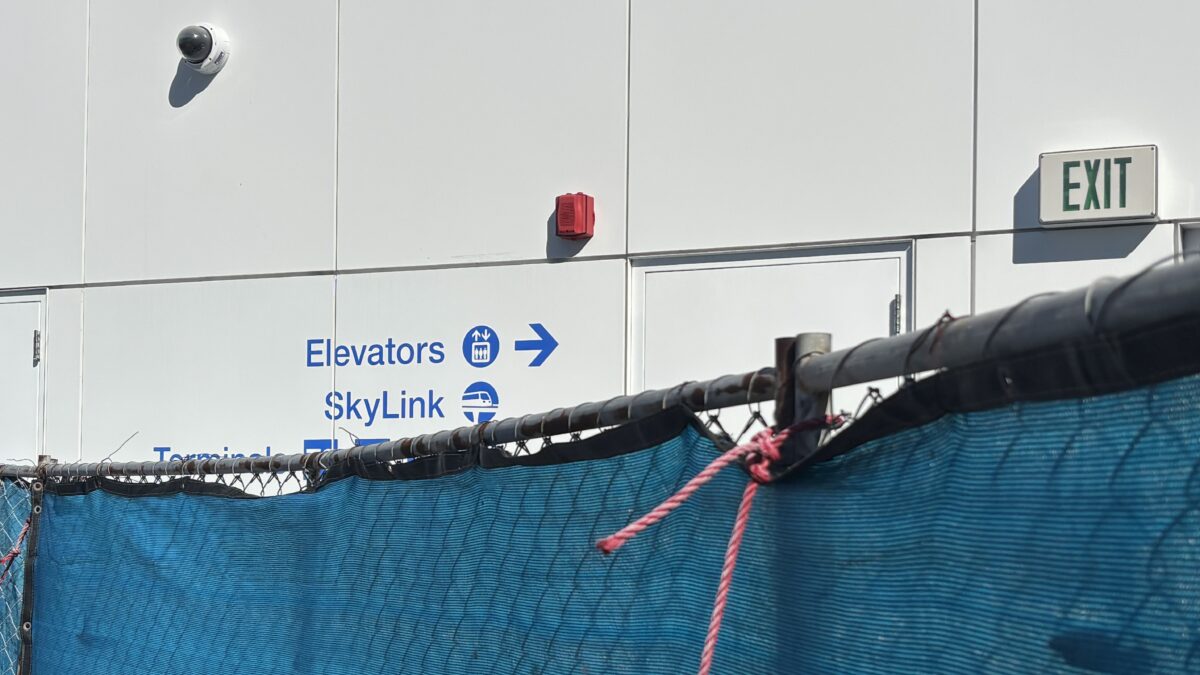
Image via The Federalist
California’s Transit Fantasy: LA’s SkyLink Turns Into Another Billion-Dollar Waiting Room
Los Angeles’ SkyLink project, a 2.25-mile connector meant to improve airport access, broke ground in 2019 with a promised opening in 2023 and a budget around $1.9 billion. Now it’s another case study in delays, cost pressure, and the kind of managerial sprawl that somehow becomes normal under single-party rule.
This isn’t just a California punchline. Public infrastructure overruns ripple into bond markets, future tax burdens, and higher costs for everyone doing business in the region. When government can’t deliver a short, high-visibility project on time and on budget, it signals risk to developers, lenders, and employers who have to make long-term decisions.
And let’s be honest: the private sector doesn’t get to “revise the schedule” for four years while burning through other people’s money. If I missed deadlines like that in my property business, my lender wouldn’t write me a thoughtful editorial; they’d take the keys.
🏛 Wade's Take: This is what happens when incentives reward press conferences instead of performance. California keeps selling the same story: spend more, regulate more, and somehow the result will be cheaper and faster. If you own assets there, underwrite higher taxes and higher operating costs; if you invest there, demand a real margin of safety because political mismanagement has become a line item.
Wisconsin Politics, Washington Ambitions: Crowley’s Message Tells You Who the Campaign Is Really For
A Townhall piece argues Milwaukee County Executive David Crowley effectively admitted his campaign focus isn’t centered on helping Wisconsin as much as serving a broader political agenda. Whether you like Crowley or not, this kind of framing matters because it reflects a pattern voters are tired of: politicians treating local offices like stepping stones and using taxpayers as the travel budget.
When leadership is driven by national talking points, you usually get policies that look good on cable news but don’t pencil out locally. That’s especially true on public safety, permitting, and business climate issues that directly affect job creation and property values. Local economies run on basics: predictable rules, functional services, and leaders who sweat the details.
Wisconsin doesn’t need more politics-as-performance. It needs competence: workforce development that matches real jobs, budgeting that doesn’t punt to the next guy, and public administration that respects the people who make payroll.
🏛 Wade's Take: If a candidate is more interested in pleasing the national donor class than fixing the local potholes, believe him the first time. States win when they compete for capital with stable policies and grown-up budgeting, not when they audition for the next gig. I’d tell any Wisconsin business owner: vote for the person who talks like a manager, not a brand.
📎 Townhall
Red Flags on El-Sayed: Past Comments on the Muslim Brotherhood Put Scrutiny Back on the Table
The Washington Times highlights concerns about El-Sayed’s past views related to the Muslim Brotherhood, arguing they raise serious questions. In a country as diverse as ours, we can respect religious freedom while still demanding clarity about political Islam, transnational movements, and any flirtation with groups that don’t share America’s basic commitment to pluralism and constitutional order.
This matters beyond culture-war headlines. When public officials or prominent candidates appear soft on extremist-adjacent movements, it affects homeland security priorities, community trust, and the credibility of our institutions. Investors and business owners should care because instability and security failures hit budgets first and growth second: more security costs, more bureaucracy, and more friction for everyday commerce.
Responsible scrutiny isn’t bigotry, and it isn’t optional. The standard should be simple: condemn extremist organizations clearly, reject their political program, and stand squarely for American civic values without caveats.
🏛 Wade's Take: I’m a live-and-let-live guy, but I’m not naïve about ideology that uses our freedoms to weaken the country. If El-Sayed has a history of apologizing for or minimizing the Muslim Brotherhood, he owes voters plain answers, not carefully lawyered slogans. In my book, leadership starts with moral clarity, because once you lose that, the policy mistakes get expensive fast.
Wade Lawson, Editor, The Local Conservative. Keep your powder dry, your balance sheet strong, and your eyes on where the money’s moving.
— Wade Lawson