Sponsored By:
With government debt soaring and inflation still biting, smart investors aren't waiting for volatility to hit — they're preparing now. The Gold Wealth Blueprint breaks down exactly how gold has historically shielded portfolios during periods of fiscal strain and market uncertainty.
Inside, you'll discover why gold moves differently than paper assets, how to use it as a practical hedge, and how to size your exposure without overcommitting. It's concise, actionable, and free — but don't sit on it.
Get the Free Gold Wealth BlueprintBy following the link above, you're choosing to opt in to receive insightful updates from Investor News + 2 free bonus subscriptions. Your privacy is important to us. You can unsubscribe anytime. See our privacy policy for details.

Five stories today that all rhyme: power wants leverage, and leverage always costs money. From Iran’s IRGC to Washington’s fundraising spam, the bill eventually lands on the productive class.

Image via Fox News
Iran Swaps Generals, Keeps the Playbook: Asymmetric War Rolls On
Iran naming Ahmad Vahidi to command the IRGC isn’t a reform story, it’s a continuity story. When Tehran changes faces at the top, it’s usually to protect the regime and refresh the brand, not to change the behavior. The IRGC’s core mission remains the same: pressure the U.S. and Israel without inviting a full-scale conventional response.
That means proxy networks, deniable attacks, overseas operations, and a steady campaign to stretch American resources across too many fronts. Businesses feel this faster than most people realize: energy risk premiums creep up, shipping routes get pricier, and markets start pricing in “surprises” that hit everything from oil to insurance to defense stocks.
🏛 Wade's Take: If you’re waiting on “new leadership” in Tehran to mean a new direction, you haven’t been paying attention for the last 30 years. Iran invests in asymmetry because it’s the best return on their limited capital, and it forces us to spend real money on real defenses. America needs a strategy that raises the cost to the IRGC and lowers the cost to U.S. taxpayers, because right now we’re writing the bigger checks.
📎 Fox News
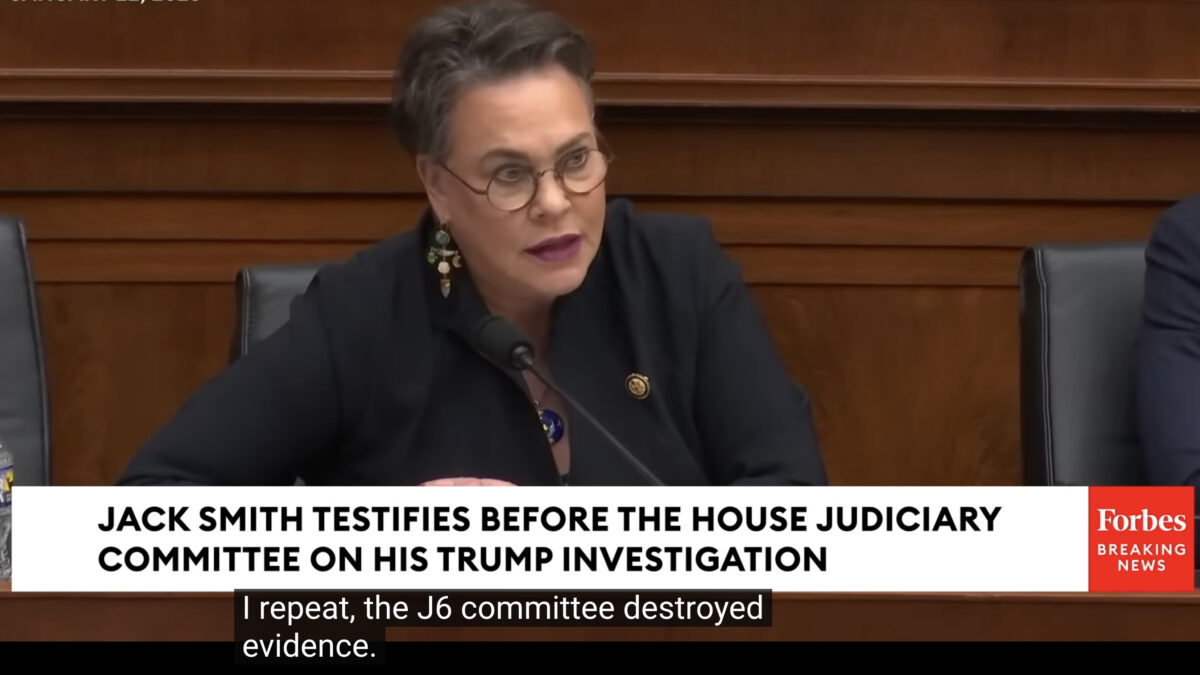
Image via The Federalist
Harriet Hageman Eyes the Senate, and the Establishment Can Read the Polls Too
Wyoming Rep. Harriet Hageman is positioning for a Senate run, and the write-ups are already treating the general election like a formality. That’s not an insult to democracy, it’s just what happens in states where the real contest is the primary and the general is mostly a turnout exercise.
The bigger point is what kind of Republican the grassroots wants right now: someone willing to fight the administrative state, push back on D.C.’s spending addiction, and call out elite nonsense without flinching. For investors and business owners, the Senate matters because it’s where judges, regulators, and whole industries get shaped for decades, not news cycles.
🏛 Wade's Take: I don’t vote based on who gives the prettiest speech, I vote based on who understands that Washington’s addiction to spending and regulation is a direct tax on payroll. If Hageman goes to the Senate and keeps her backbone, that’s one more vote against the bureaucrats who treat private enterprise like a piñata. Conservatives should demand two things from any Senate hopeful: fight inflationary spending and stop letting unelected agencies write laws.
Abdul El-Sayed’s Self-Comparison: Politics as Pulpit, Again
Abdul El-Sayed drew heat for comparing himself to a major religious figure, the kind of move that’s guaranteed to light up social media and cable panels. Whether it was meant as inspiration, symbolism, or pure attention-getting, it lands the same way to a lot of voters: like a politician borrowing sacred authority to elevate his own brand.
In a time when trust is already thin, public figures playing dress-up with religion tends to backfire. It also distracts from the questions that actually matter in a governor’s race: budgets, taxes, job growth, public safety, energy policy, and whether the state will be run for families and employers or for activists and bureaucracies.
🏛 Wade's Take: My rule is simple: politicians should stop trying to preach and start trying to govern. If you’ve got ideas, put them on paper, show the math, and explain who pays. When someone reaches for religious stature to sell a political career, I hear insecurity, not leadership.
.jpg)
Image via Daily Caller
Hypersonics Are Stress-Testing America’s Defenses, and the Pentagon Wants New Eyes
The Pentagon is hunting for new radar capabilities as hypersonic missiles challenge current U.S. missile defense architecture. Hypersonics compress decision time and complicate tracking, which means the old assumptions about detection and interception don’t hold the way they used to. The conversation now includes exoatmospheric interceptors and the sensors needed to make them useful.
This is where “national security” turns into a procurement reality: new systems, new contracts, new timelines, and new oversight risks. Done right, it’s modernization. Done wrong, it’s another decade of delays and cost overruns that leave taxpayers holding the bag while adversaries iterate faster.
🏛 Wade's Take: I’m pro-defense, but I’m anti-blank-check. If hypersonics change the threat, then we need radar and interceptors that work, not PowerPoint programs that keep contractors paid while readiness slips. The conservative position ought to be strength with accountability: faster acquisition, fewer middlemen, hard performance milestones, and real consequences for failure.
Image via RedState
Google Opens the Spigot for Political Fundraising Emails, and Your Inbox Pays the Price
Google is making it easier for political fundraising emails to reach users, which means your inbox is about to get louder. The stated goal is often framed around “participation” and “engagement,” but the practical effect is more relentless digital begging, more manipulation, and more time wasted sorting real communications from political noise.
There’s also a market angle here: when major platforms tweak deliverability rules, they’re effectively picking winners in the attention economy. Campaigns and consultants will exploit whatever the platform allows, because small-dollar fundraising is a volume business. Meanwhile, normal people and small business owners lose the clean channel we rely on to actually run our lives.
🏛 Wade's Take: I don’t care if the email is from my side or the other side: if I didn’t ask for it, it’s clutter. Big Tech keeps acting like gatekeeper and participant at the same time, and it always seems to increase their leverage while decreasing your control. If Google wants to “help democracy,” start by giving users a real one-click, permanent opt-out for political solicitations.
📎 RedState
That’s the roundup for Thursday. Keep your head on a swivel, your cash flow conservative, and your politics grounded in what actually makes a community prosper.
— Wade Lawson