Sponsored By:
2026 is shaping up to be a breakout year for space investors. Record launches, falling costs, and explosive technologies like satellite constellations and orbital AI are turning space into a real, revenue-generating industry — and the window to get positioned early is right now.
MarketBeat's free report, The 7 Best Space Stocks to Own in 2026, profiles seven companies across launch, satellites, communications, defense, and in-space infrastructure — covering what they do, how they make money, and the key catalysts to watch. Plus, get insight on the potential SpaceX/Starlink IPO impact and where the best risk-reward opportunities lie.
Get Your Free Space Stocks ReportBy clicking the button above, you will receive this free report and a free subscription to MarketBeat's daily email newsletter. You are also agreeing to the terms of our privacy policy. Unsubscribe at any time.

Five stories where politics meets payroll: foreign policy risk premiums, voter coalitions, permitting wars, media merger muscle, and Democrats stuck with the incentives they built.

Image via RedState
Bessent Turns Up The Heat On Iran: Markets Hear The Word "Endgame"
When a senior U.S. official starts talking about an "endgame" with Iran and ties it to a timeline, you can feel the risk premium creep back into everything from crude oil to shipping insurance. RedState reports on Treasury Secretary Scott Bessent’s stark message and the implication that Washington is moving from rhetoric to action.
For small businesses, this isn’t abstract. Fuel costs bleed into every invoice, and geopolitical flare-ups tighten financial conditions fast. Banks get cautious, lenders widen spreads, and the same floating-rate borrowers who already lived through the last cycle start sweating the next one.
Investors should also remember the second-order effects: defense names catch bids, energy gets a tailwind, and anything dependent on global freight can get squeezed. Foreign policy is economics wearing a uniform, and Iran is one of the few levers that can move inflation expectations in a hurry.
🏛 Wade's Take: I want peace through strength, not peace through press releases. If the administration is going to talk "endgame," it better have the logistics, coalition, and domestic energy posture to keep Americans from paying for it at the pump. My advice to readers: don’t trade headlines, but do stress-test your budget and your portfolio for a spike in oil and a tighter credit window.
📎 RedState

Image via Daily Caller
Texas Democrats Sweat A Simple Problem: You Can’t Win Statewide Without A Real Coalition
Daily Caller reports Democrats are nervous that Texas Senate candidate James Talarico isn’t generating enough support among Black voters, with insiders describing only mild enthusiasm. That’s not just a campaign gossip item; it’s a reminder that turnout and coalition math still run elections, even when national money and media try to will a narrative into existence.
Texas is big, diverse, and expensive to campaign in. If a candidate can’t inspire key constituencies, the party ends up leaning harder on outside fundraising, national culture-war messaging, and celebrity endorsements that don’t move persuadable voters. And when campaigns overpromise and underdeliver, you get more radical policy proposals to "juice" turnout, which spooks business owners and pushes moderates away.
From an economic standpoint, the bigger issue is what Democrats do when they’re struggling: they run on regulation, redistribution, and "corporate accountability" soundbites that translate into higher compliance costs and weaker investment appetite. Texas’ advantage has been predictable growth policy. Mess with that, and you mess with jobs, housing starts, and commercial demand.
🏛 Wade's Take: If Democrats want to compete in Texas, they need to talk like grown-ups about jobs, energy, border security, and public safety, not just viral clips. Voters can feel when a campaign is being assembled by consultants instead of built on community trust. Texas doesn’t need a new Washington echo; it needs leaders who understand the difference between a slogan and a payroll.

Image via National Review
America Can’t Ban Its Way To Prosperity: The Data Center Backlash Is Economic Self-Sabotage
National Review takes on the growing opposition to data centers, and I’m glad somebody’s saying it plainly: blocking modern infrastructure doesn’t preserve the future, it mortgages it. Data centers aren’t just big gray boxes. They’re the physical backbone of cloud computing, AI, logistics optimization, telemedicine, defense systems, and the everyday business tools your local HVAC company uses to schedule crews and get paid.
Yes, they use power and water, and yes, communities should demand responsible siting and real mitigation. But the answer is faster permitting, clear standards, and grid investment, not a patchwork of local vetoes and lawsuit-driven paralysis. If we choke off capacity, we don’t stop demand. We just push it to other states or other countries, and we pay more for the same services.
Commercial real estate folks see it too: these facilities can anchor tax bases, upgrade substations, and drive adjacent industrial development. Done right, they’re a stabilizer in communities that need durable revenue, especially as retail and office continue to sort themselves out post-pandemic.
🏛 Wade's Take: You don’t get to complain about your kid moving away for opportunity while you block the very projects that create high-quality jobs and a stronger tax base. Regulate smart, build fast, and modernize the grid like adults. The conservative answer is growth with standards, not scarcity by lawsuit.
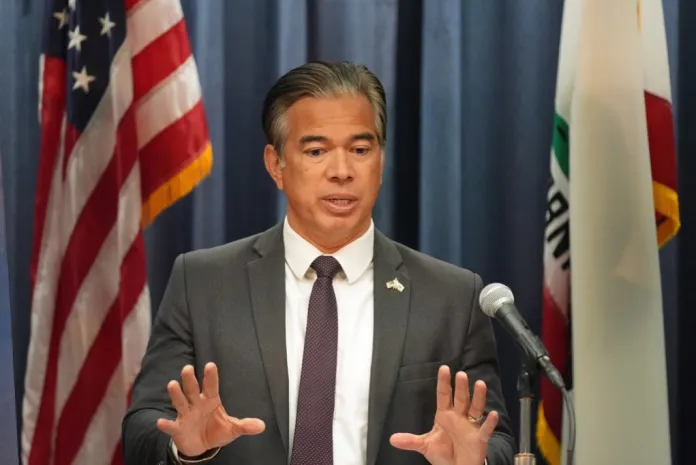
Image via Washington Examiner
California Flexes Again: Paramount-WBD Deal Gets Another Political Speed Bump
The Washington Examiner reports California Attorney General Rob Bonta canceled a settlement meeting tied to the Paramount-Skydance situation as it connects to the proposed Warner Bros. Discovery merger, adding another twist to an already messy, monthslong saga. Translation: even after companies spend fortunes on bankers and lawyers, political actors can still yank the steering wheel.
This matters beyond Hollywood. When regulators treat mergers like leverage for unrelated concessions, the cost of capital goes up everywhere. Boards get timid, strategic combinations die on the vine, and investors demand a higher return to justify the regulatory roulette.
For markets, media consolidation is partly about survival in a world where distribution has changed and ad dollars have fractured. If government keeps injecting uncertainty, the losers won’t be the executives with golden parachutes. It’ll be the rank-and-file employees, the vendors, and the pension funds holding the stock.
🏛 Wade's Take: I’m all for enforcing the law, but California’s style too often feels like politics first, process second. If you want jobs and investment, you don’t play games with the rules midstream. Investors should price in a "California discount" on anything that has to clear that state’s political choke points.
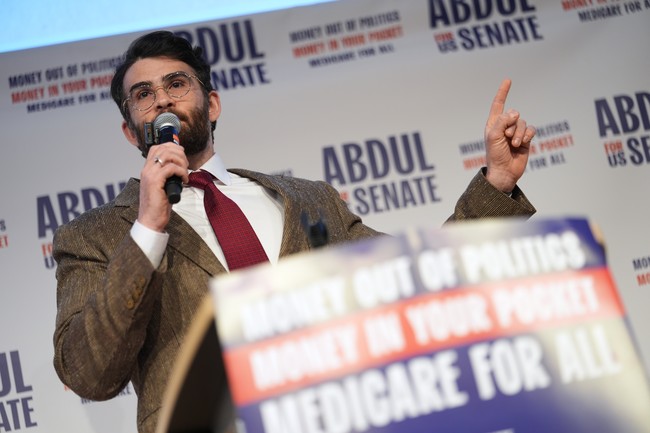
Image via PJ Media
Democrats Built The Incentives, Now They’re Stuck Living In Them
PJ Media argues Democrats are trapped by the very political incentives they created, and that rings true when you look at how their coalition operates. When a party trains its voters to expect constant emergency rhetoric, ever-expanding benefits, and permanent grievance politics, it becomes nearly impossible to pivot back to competence, moderation, and balanced budgets.
You can see the trap in policy: spend big, then blame "greed" when prices rise; regulate everything, then act shocked when housing and energy get more expensive; flood the system with mandates, then wonder why entrepreneurs stop taking risks. The result is slower growth, higher dependency, and a politics that treats productive citizens like an ATM.
For business owners, the danger is volatility. When governing becomes performance art, planning becomes guesswork. And when families can’t plan, they pull back on spending, which hits Main Street long before it hits the talking heads.
🏛 Wade's Take: A country can’t run on vibes and villain stories. Democrats boxed themselves in by promising benefits without discipline and moral authority without accountability. Conservatives should keep making the case for work, energy abundance, safe streets, and predictable rules, because that’s what actually builds wealth for regular families.
📎 PJ Media
That’s the Monday rundown. Keep your eyes on the incentives, follow where the money moves, and don’t let political noise knock you off a sound plan. See you tomorrow. Wade Lawson Editor, The Local Conservative
— Wade Lawson