Sponsored By:
While other sectors stall, AI investment is accelerating — showing up in earnings calls, corporate budgets, and real-world deployment. Capital is quietly concentrating around companies with clear demand and long-term relevance, and selective opportunities are forming right now.
A new research brief identifies 2 AI stocks trading under $15 that may be positioned for the next phase of growth — including key developments that could move these names in the months ahead.
Get the Free AI Stocks ReportBy following the link above, you're choosing to opt in to receive insightful updates from Investing Ideas Daily + 2 free bonus subscriptions! Your privacy is important to us. You can unsubscribe anytime. See our privacy policy for details.

Plus: Trump plays hardball with Tehran, and why State Department travel warnings are killing tourism and opportunity
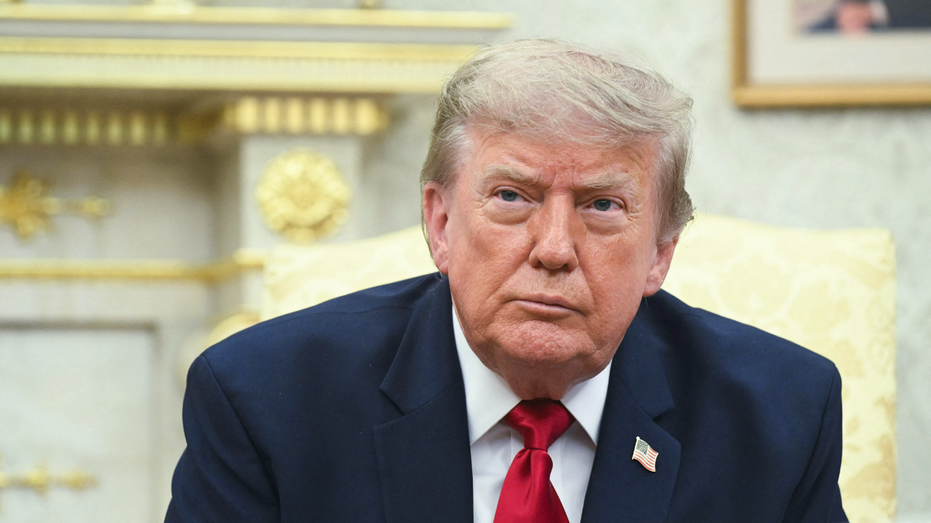
Image via Fox News
Jay Clayton Gets His Second Shot at Intel Chief After Trump's Truth Social Stumble
Jay Clayton is back before the Senate Intelligence Committee weeks after President Trump torpedoed his own nominee's confirmation process with a Truth Social post that caught everyone off guard. The former SEC chairman now faces senators again for his Director of National Intelligence confirmation hearing, trying to salvage a nomination that should have been straightforward from the start.
Clayton brings real credibility to the role. He ran the SEC through some of the most complex market periods in recent memory, oversaw enforcement actions against bad actors, and understands how money moves in ways that matter for national security. The delay wasn't about his qualifications. It was about the boss getting impatient or distracted or deciding to test the waters on someone else before circling back.
The Senate Intelligence Committee will now decide whether to move forward with a nominee who has already been through one false start. Clayton's background in financial regulation and securities law actually makes him an interesting choice for DNI in an era when economic warfare, cryptocurrency sanctions, and following the money are as important as traditional intelligence gathering.
🏛 Wade's Take: Look, I don't care if it took two tries to get here. Clayton knows how capital markets work, how enforcement actually functions, and how to read a balance sheet, which is more than you can say for most intelligence bureaucrats. If we're serious about tracking money flows to hostile actors and understanding economic threats, you want someone who spent years at the SEC, not another career spy.
📎 Fox News
Trump Says Iran Strikes Will Continue Until Tehran Makes a Deal
President Trump told Fox News that U.S. forces have completed their initial objectives in Iran but made clear the military pressure will continue until Tehran comes to the negotiating table. Speaking with characteristic bluntness, Trump said he's not sure whether Iran will actually make a deal, but emphasized that a deal is the only way this confrontation ends without further escalation.
The comments come as the brief cease-fire that followed the initial strikes appears to be unraveling. Trump's approach combines maximum military pressure with an open door for negotiation, a strategy that either forces Iran to the table or backs them into a corner where they lash out. The oil markets are watching every word, and you can see it in the volatility.
The president is betting that Iran's economy, already hammered by sanctions and internal unrest, can't sustain a prolonged military confrontation with the United States. He's probably right about that. The question is whether the regime will accept the humiliation of negotiating under fire or whether they'll try to save face with attacks on U.S. interests elsewhere in the region.
🏛 Wade's Take: This is how you negotiate from strength, not weakness. You hit hard, you make it hurt, and then you offer a way out that doesn't involve total destruction. Iran's mullahs understand force better than they understand diplomacy, and Trump knows that. The only mistake would be backing off before they actually come to the table.
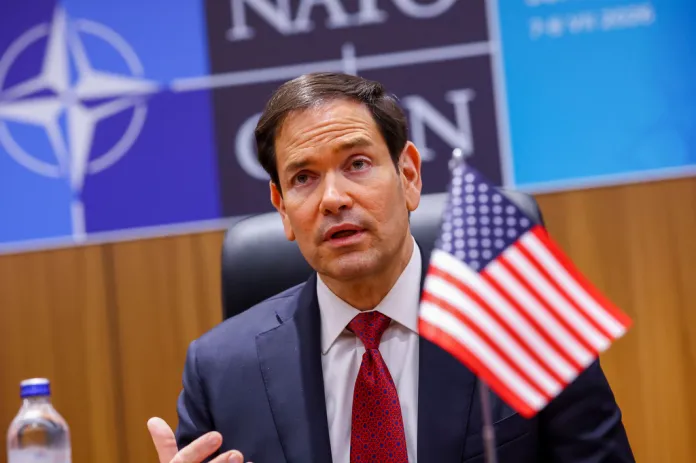
Image via Washington Examiner
State Department Travel Warnings Are Killing Business and Nobody's Updating Them
Secretary of State Marco Rubio needs to take a hard look at the State Department's travel warning system, which is stuck in a time warp and costing American businesses and tourism industries real money. The current warnings are often outdated, overly cautious, and based on conditions that no longer exist on the ground. When the State Department slaps a Level 3 or Level 4 warning on a country, it doesn't just advise caution, it kills travel, cancels business deals, and shuts down economic opportunity.
The piece specifically calls out warnings that remain in place long after security situations have improved, relying on lazy bureaucratic inertia rather than current intelligence. For American companies trying to do business in emerging markets, these warnings can be deal-killers. Insurance companies won't cover employees, executives won't travel, and opportunities go to competitors from countries whose governments aren't quite so risk-averse.
This isn't about ignoring real threats or sending Americans into danger zones. It's about having a system that reflects actual current conditions and gets updated when facts on the ground change. Right now, the State Department treats these warnings like tombstones, put them up and leave them there forever.
🏛 Wade's Take: I've watched business deals fall apart because some desk officer in Foggy Bottom hasn't updated a travel warning in three years. Rubio should put someone on this immediately. If we want American businesses competing globally, we can't have our own government scaring everyone away from markets that are actually safe enough to operate in.

Image via National Review
Iran Cease-Fire Collapses as Trump Refuses to Tolerate Violations
The fragile memorandum of understanding that briefly paused hostilities between the United States and Iran is falling apart, with Trump making clear he won't tolerate Iranian violations of the agreed terms. National Review raises the critical question: How far is the president willing to go if Iran continues to test the boundaries?
The cease-fire was always going to be temporary unless Iran fundamentally changed its calculus about the costs of confrontation. Early reports suggest Iranian-backed militias or Revolutionary Guard elements have resumed activities that violate the MOU, giving Trump the justification to restart strikes. This puts the administration at a decision point: accept low-level violations and maintain the appearance of a cease-fire, or respond with force and risk a wider conflict.
The markets hate uncertainty, and right now there's plenty of it. Oil futures are jumping on every headline out of the Persian Gulf. Defense stocks are climbing. Gold is moving. Investors are trying to price in scenarios ranging from a return to negotiations all the way up to a sustained air campaign against Iranian nuclear facilities.
🏛 Wade's Take: Trump's doing the right thing by not letting Iran chip away at the MOU with minor violations. You give them an inch on this stuff and they take a mile. The risk is real, but so is the risk of looking weak and inviting more aggression. I'm keeping my energy positions and adding to defense holdings until this settles.
Democrats Tear Each Other Apart While Republicans Focus on Governing
The Democratic Party is descending into civil war across the country, with factions fighting over ideology, strategy, and who's to blame for their mounting losses. While Republicans consolidate power and push their agenda through Congress, Democrats are consumed by internal battles that have spread from Washington to state parties nationwide. It's a masterclass in how not to run a political opposition.
The infighting ranges from progressive activists demanding the party move further left to moderates arguing they've already gone too far. State party organizations are caught in the middle, watching resources drain away into internal battles instead of being deployed against Republicans. Fundraising is suffering. Candidate recruitment is a mess. Nobody can agree on a message.
For Republicans, this is a gift. When your opposition is busy fighting itself, you've got room to maneuver and advance your priorities without the usual obstruction. The Democrats' problem isn't just that they're divided. It's that they're divided over fundamental questions about what the party even stands for, which means this isn't getting resolved anytime soon.
🏛 Wade's Take: I've watched businesses destroy themselves with this kind of internal warfare, and it always ends the same way. While Democrats figure out whether they're socialists or moderates or whatever, Republicans should be passing every piece of their agenda they can. This is the time to move fast and build wins while the opposition is paralyzed.
Stay sharp out there. When the political opposition is in chaos and the Middle East is on edge, that's when you need to watch your portfolio closest and keep your powder dry for opportunities. — Wade
— Wade Lawson