Sponsored By:
History shows a clear pattern: the investors who recognized the exact inflection point in the dot-com boom pocketed 400–800% gains in 18 months. Those who spotted the same moment in cloud computing saw 300–600% returns. Based on 50 years of market data, that same moment is happening right now — and the acceleration phase has already begun.
This free 7-page report reveals where we are in the current megatrend cycle, why the next 18 months are critical, and how to position yourself before the window closes. Don't be the investor who enters too late.
Get the Free ReportBy clicking 'Get the Free Report' you are automatically subscribing to Darwin Investor Network and will receive a free subscription to the Chaikin PowerFeed newsletter. Unsubscribing is easy. Privacy Policy

Five stories today where politics isn’t just theater — it’s a set of incentives that will move markets, shift property values, and decide who plays by the rules.
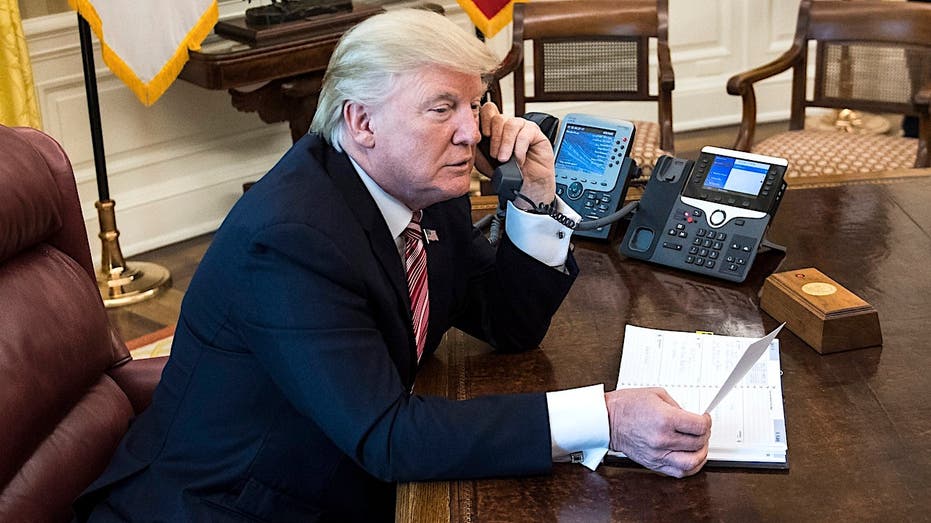
Image via Fox News
Trump Says There’s an IRGC Backchannel — and Demands Iran’s Surrender
President Trump confirmed a direct backchannel with Iran’s Islamic Revolutionary Guard Corps, framing it as a path to peace talks while still talking like a wartime commander. The message was blunt: he wants Iran’s “white flag of surrender,” not a slow-motion negotiation where Tehran buys time and the West pretends it’s progress.
The report also points to a sharp warning tied to Oman as the ceasefire expiration approaches, underscoring how quickly this situation can swing from “talks” to “targets.” For investors, this is the kind of headline that can move energy prices in a morning and defense names by lunch — and it can reset risk premiums across the board when the shipping lanes start looking fragile.
If you’re running a real business, you already know what this means: insurance costs, freight costs, and input prices don’t wait for diplomats to feel good about a communique. This is macro risk that shows up in your monthly statements, not just on cable news.
🏛 Wade's Take: Backchannels are fine, but only if they’re used to deliver terms, not concessions. If Iran thinks it can stall, rearm, and keep the region on edge, we’ll pay for it in higher energy, higher volatility, and higher costs for every company that ships, builds, or manufactures. Peace through strength isn’t a slogan — it’s a pricing model for global stability.
📎 Fox News
Blue States Rush 250 Pro-Migrant Bills to Gum Up Deportations
According to reports, Democrats in blue-state legislatures are flooding the zone with roughly 250 pro-migrant bills aimed at obstructing President Trump’s deportation mandate. The tactic is familiar: use state-level process, funding rules, and “protections” to create friction so federal policy turns into paperwork and lawsuits.
This isn’t just an argument about compassion versus toughness — it’s an argument about who has to carry the costs. When enforcement gets selectively blocked, the pressure doesn’t disappear; it concentrates in the neighborhoods, school systems, ERs, and job markets that already feel stretched. And when labor markets get distorted, honest employers get undercut by outfits willing to ignore verification and wage rules.
For property owners and local businesses, the second-order effects matter: public safety perceptions, municipal budgets, and the stability that keeps rents paying and storefronts occupied. When politics turns into deliberate noncompliance, the private sector ends up subsidizing it through taxes, higher insurance, and weaker quality-of-life signals that push investment elsewhere.
🏛 Wade's Take: A country that can’t enforce its borders can’t credibly enforce anything — labor laws, safety standards, or the idea that citizenship means something. If states want to set immigration policy, they should be honest and run it through Congress, not sabotage enforcement through 250 little workarounds. The real victims are working families and small employers who play by the rules and get punished for it.
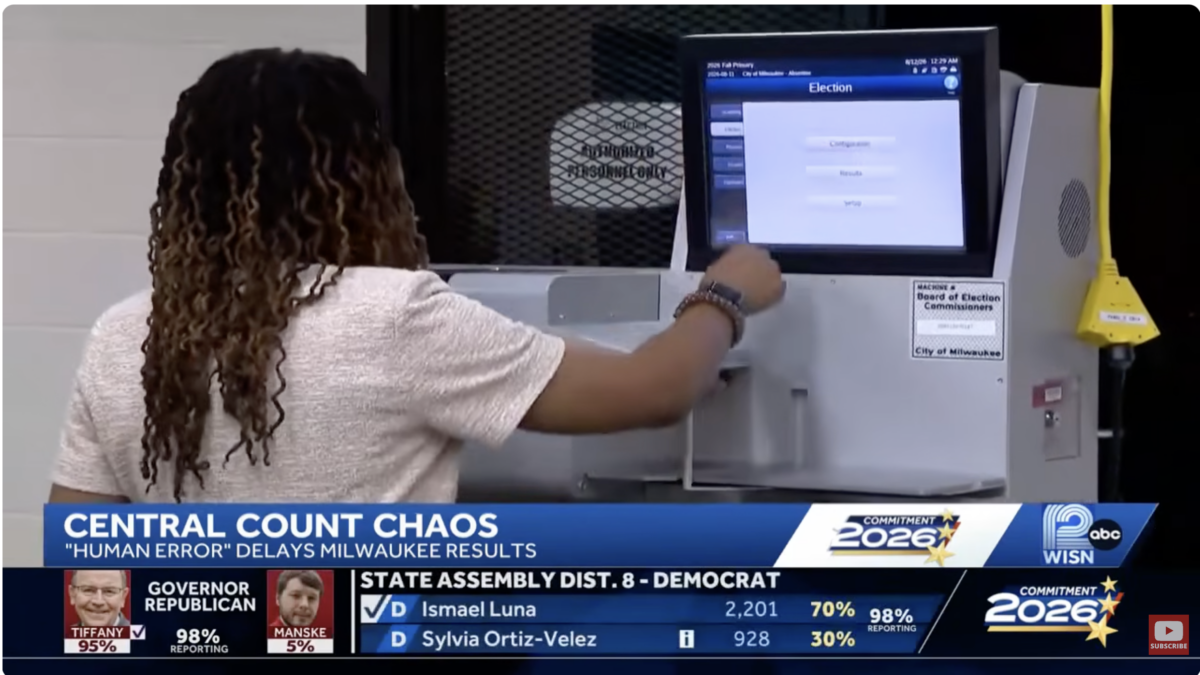
Image via The Federalist
Milwaukee’s Election “Drama” Keeps Showing Up Right on Time
Milwaukee is again in the national spotlight for election irregularities and last-minute “fixes,” with critics saying the city somehow produces just enough votes to carry Democrats in swing-state Wisconsin. The broader theme is what voters are tired of: chaos, unclear procedures, and the sense that the system only tightens up after the outcome is decided.
Even when there’s no single smoking gun, the pattern of recurring mess is corrosive. Confidence is the currency of elections, and once that currency gets debased, you don’t get it back with a press conference. You get it back with strict chain-of-custody, transparent audits, and rules that are the same on Election Day as they were six months prior.
There’s also a practical angle most commentators miss: uncertainty has a cost. Political instability doesn’t just make people angry — it changes where companies expand, where families relocate, and whether capital flows into a region or chooses a steadier ZIP code.
🏛 Wade's Take: If you want citizens to accept outcomes, you have to run elections like a well-audited business: documented processes, real accountability, and zero tolerance for “oops, we found another batch.” Wisconsin is too important to keep treating Milwaukee like a recurring exception to basic operational competence. Clean elections are not a partisan luxury — they’re infrastructure.

Image via Western Journal
Chinese Firm Accused of Pollution in Hungary Still Gets US Tax Breaks
A Chinese company accused of importing workers and polluting water in Hungary is also reported to be benefiting from tax breaks in the United States. That combination ought to stop every mayor, governor, and economic-development office in their tracks: we’re subsidizing firms tied to a system that doesn’t share our labor standards, environmental expectations, or strategic interests.
The local angle matters, too. Communities get sold on “jobs” and “investment,” but the fine print can include imported labor, opaque supply chains, and long-term environmental liabilities that land on local taxpayers and property owners. If a company’s track record abroad includes water concerns, that’s not a culture-war talking point — that’s a balance-sheet risk for every homeowner, every farmer, and every business that depends on clean, predictable utilities.
In real estate, contamination and reputation damage don’t just fade away. They show up in valuations, financing terms, tenant demand, and whether a town becomes a growth story or a cautionary tale.
🏛 Wade's Take: We should not be writing tax-break checks to companies that won’t hire our people, won’t play by our rules, and might leave us holding an environmental bag. Economic development is supposed to build durable local prosperity, not headline-grabbing announcements that age into lawsuits and cleanup costs. If a firm can’t meet American standards with American workers, it doesn’t deserve American subsidies.
Trump Scales Back South Korea Exercises After Iran War Dispute
The administration is scaling back military exercises with South Korea, with President Trump citing Seoul’s refusal to help with the Iran war. Whatever your view of the Middle East, the strategic message is clear: alliances are being treated more transactionally, with burden-sharing moved from a polite talking point to a real lever.
That has ripple effects beyond the Korean Peninsula. Read it like a contract renegotiation: when one party won’t perform, the other reduces deliverables. But in defense posture, “deliverables” are deterrence and readiness — and the markets don’t wait to see how the next crisis meeting goes.
For investors and business owners, this is another reminder that geopolitical risk can jump theaters quickly. Taiwan, shipping lanes, energy markets, and semiconductor supply chains all live in the same ecosystem of credibility and deterrence.
🏛 Wade's Take: Allies should contribute, period — but we need to be careful about weakening readiness in a region where deterrence is the whole ballgame. You can demand burden-sharing without signaling hesitation to adversaries watching for daylight. The right move is tough diplomacy paired with ironclad preparedness, because the cost of miscalculation is paid in lives and in economic shock.
That’s the Monday board. Keep your head on a swivel, keep your expenses tight, and don’t let political noise distract you from incentives — because incentives are what move money and shape outcomes. Wade Lawson, The Local Conservative
— Wade Lawson