Sponsored By:
Stop stressing over weekly stock picks! Our veteran investor just released a FREE report featuring 10 U.S. stocks you can buy and hold — backed by 20+ years of experience and deep research into AI, EVs, digital health, and cloud megatrends.
Get bulletproof entries, holding strategies, portfolio allocation guides, and sector insights that work for beginners and pros alike. Available for first movers only — grab yours in the next few days!
Get the 10 Stocks For FreeBy clicking this link you agree to receive emails from StockEarnings and our affiliates. You can opt out at any time. Privacy Policy

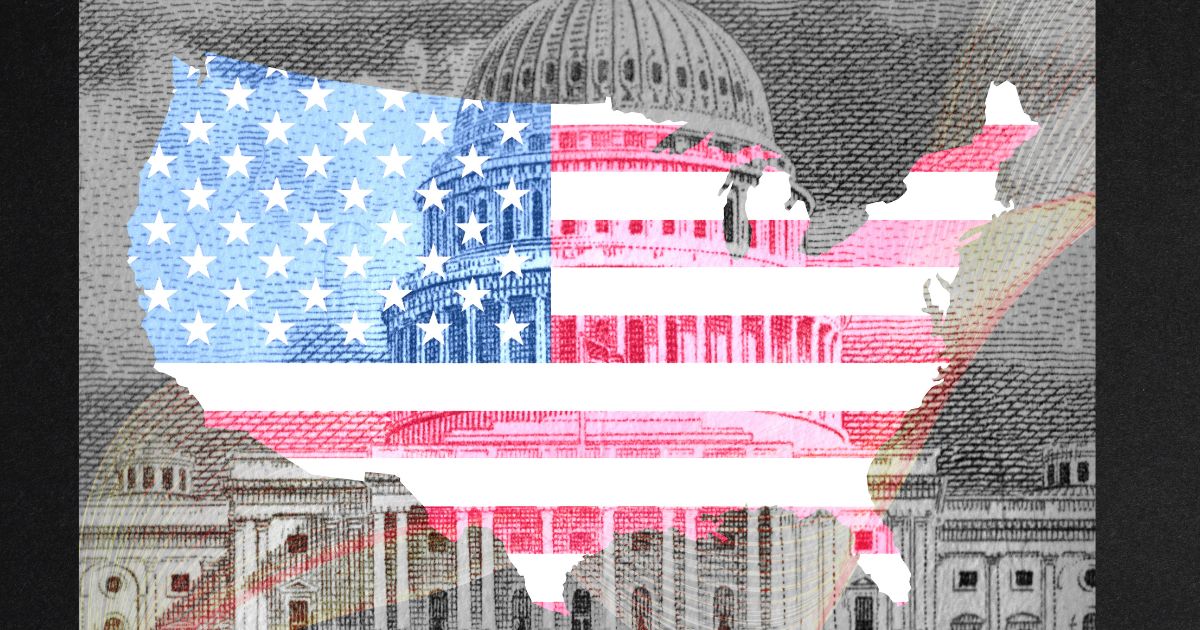
Image via Western Journal
California’s New “Independent” Maps Headed for a Supreme Court Reality Check
California’s new redistricting ballot measure — sold to voters as a clean-government reform — may be on a collision course with the U.S. Supreme Court. A recent ruling out of the Court has legal analysts warning that the state’s newly minted map-making setup (and the partisan outcomes it conveniently produces) could get tossed, or at least forced into a do-over.
What matters here isn’t just who gets the seat count. Redistricting is political power, and political power drives regulation, taxes, energy policy, and the cost structure every employer lives under. When one party locks in a structural advantage, the rest of the country winds up financing it through federal policy — and businesses wind up adapting to it through higher compliance costs, higher labor mandates, and fewer investment-friendly signals.
🏛 Wade's Take: I’ve negotiated enough contracts to know a “neutral process” can still be rigged by who writes the rules and who picks the referees. If California built a system designed to produce one-party results, the Court should slap it down. Stable markets need predictable, legitimate governance — not election engineering that invites perpetual legal warfare.
Image via Associated Press
UAE’s “Safe Haven” Brand Gets Stress-Tested as War Rattles the Region
The Associated Press reports the United Arab Emirates — long marketed as the Middle East’s stable business hub — is being tested by the region’s widening conflict and the knock-on effects of war. Dubai’s global-city image, tourism flows, expat confidence, and the broader investment narrative depend on one thing above all: predictable security.
When investors price risk, they don’t do it with speeches — they do it with capital flows. If the region heats up, insurance costs rise, shipping gets disrupted, and the “just park your money here” trade starts to wobble. For Americans, this matters because global instability shows up in energy prices, defense spending, inflation expectations, and ultimately interest rates — the same rates that determine whether your small business can refinance a line of credit or whether a property deal pencils.
🏛 Wade's Take: Every war has an inflation line item, and Main Street always pays it eventually. If the UAE can’t maintain the safe-harbor premium, capital will move fast — and it won’t ask permission. Conservatives should keep pressing for American energy strength and hard-nosed deterrence, because weak foreign policy is expensive at the gas pump and brutal in the bond market.

Image via The Hill
Paxton Opens Probe Into Southern Poverty Law Center’s Texas Activity and Funding
Texas Attorney General Ken Paxton has opened an investigation into the Southern Poverty Law Center, focusing on allegations tied to funding and support networks connected to groups SPLC itself has labeled “extremist,” according to The Hill. The move signals Texas is willing to bring legal scrutiny to organizations that operate in the political space while enjoying the reputational shield of “nonprofit advocacy.”
Regardless of where folks land politically, nonprofits that influence elections, pressure employers, and push blacklists can’t be treated as untouchable. These groups can affect everything from corporate hiring policies to bank lending decisions to insurance underwriting — especially when “risk scoring” gets mixed with politics. When the label “hate” or “extremist” becomes a business weapon, it’s not just speech; it’s economic coercion.
🏛 Wade's Take: Sunshine is healthy. If you’re going to operate like a political machine, you ought to be prepared to be audited like one — period. I’ve never met a legitimate operation that’s afraid of basic disclosure, especially when its business model depends on smearing others.
📎 The Hill

Image via American Thinker
“Climate Hoax” Politics and the Real Cost of Forced Energy Policy
American Thinker argues conservatives should follow President Trump’s lead in rejecting what it calls the “climate hoax,” framing climate policy as a vehicle for government expansion and economic restriction. The piece reflects a broader right-of-center view: that many climate mandates aren’t about clean air so much as centralized control over energy, land use, and industry.
Here’s the dollars-and-cents angle: energy is the master input. Jack up energy costs and you raise transportation, manufacturing, homebuilding, food, and nearly every service job in the economy. You can call it “decarbonization,” but if it results in unreliable grids, higher utility bills, and permitting choke points, you’ve effectively taxed the working and middle class — while handing competitors overseas a cost advantage.
🏛 Wade's Take: I’m all for stewardship, but I’m not for policies that make power expensive and unreliable on purpose. A strong America builds — it drills, mines, manufactures, and modernizes the grid without strangling the private sector. If your climate plan can’t survive a basic affordability test, it’s not a plan — it’s a power grab.
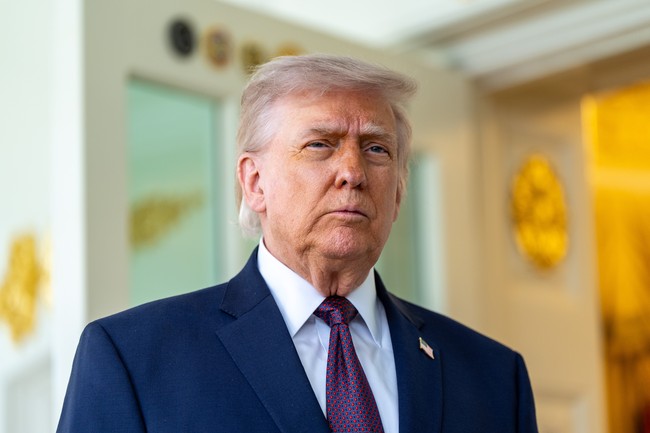
Image via RedState
New Trump-Era Border Numbers Undercut the “Biden Fixed It” Narrative
RedState highlights newly released Trump-era border enforcement numbers and contrasts them with Biden-era processing levels, arguing the data exposes how dramatically illegal crossings and processing volume surged under the current administration’s policies. The thrust is straightforward: the system was overwhelmed, and the political class tried to rename the problem rather than solve it.
Border policy is labor policy, housing policy, and public safety policy — whether Washington admits it or not. Rapid inflows stress local budgets (schools, hospitals, policing), distort low-wage labor markets, and feed demand shocks in rental housing — especially in working-class neighborhoods where supply is tight and zoning is already a mess. Every time a city’s costs jump, taxpayers get the bill and small employers get squeezed.
🏛 Wade's Take: This isn’t compassionate — it’s incompetent, and it’s costly. You can’t run a country like an open door and pretend the balance sheet won’t notice. Secure the border, enforce the law, and stop exporting the consequences to counties, churches, and small businesses that didn’t vote for the chaos.
📎 RedState
I’m Wade Lawson — and if Washington won’t run the numbers, folks like us will.
— Wade Lawson