Sponsored By:
Tax season creates hidden market shifts that can mislead investors. Refunds hit accounts, portfolios get rebalanced, and positions move to cover obligations — creating liquidity changes that make small-cap moves appear more meaningful than they actually are.
Our 2026 Market Flow Briefing reveals how tax-season liquidity affects market action, why current moves seem disconnected from fundamentals, and exposes one profitable setup emerging under these exact conditions.
Get the Free Briefing*We encourage readers to perform their own research and due diligence on any information we provide. By clicking the link you will automatically be subscribed to the Stock Wire News Newsletter.


Image via The Hill
Judge Clears the Runway for Trump’s Mail-In Ballot Rules — and Dems Are Mad About It
A federal judge on Thursday let President Trump’s March executive order tightening mail-in ballot procedures stand, at least for now, despite legal challenges from Democrats. The order aims to strengthen verification and chain-of-custody standards — the kind of boring, nuts-and-bolts governance that only becomes “controversial” when it threatens somebody’s preferred election mechanics.
Democrats argue the order overreaches and risks disenfranchisement. The administration’s side is simple: if you can’t verify it, you can’t count it — and if ballots can’t be tracked and secured like any other sensitive instrument, you’re begging for chaos, litigation, and public distrust.
🏛 Wade's Take: If you’ve ever run payroll or closed a real estate deal, you understand controls aren’t “voter suppression” — they’re what keep honest systems honest. Markets hate uncertainty, and nothing creates uncertainty like elections half the country doesn’t trust. Clean up the process and you lower the temperature; fight basic verification and you’re telling on yourself.
📎 The Hill

Image via Just the News
CENTCOM: Iran Tried to Hit Kuwait — Welcome Back to the Real Middle East
CENTCOM says Iran attempted a missile strike on Kuwait, calling it an “egregious ceasefire violation.” Kuwaiti defenses reportedly intercepted ballistic missiles, while U.S. forces intercepted drones — a reminder that in that neighborhood, “ceasefire” often means “reload and reposition.”
This isn’t just a regional squabble. Kuwait is a key U.S. partner and a strategic hub for basing and logistics, and any attack there is a direct challenge to the security architecture that keeps shipping lanes open and energy markets from going completely haywire.
🏛 Wade's Take: Every time Iran tests the fence, oil traders start pricing in risk — and that flows straight into diesel, fertilizer, freight, and the cost to build anything in America. Peace through strength isn’t a slogan; it’s a cost-control policy for working people and small businesses. You deter this now, or you pay a lot more later.

Image via American Thinker
Democrats’ “Beauty Politics” Isn’t Harmless — It’s Marketing for Bad Economics
A commentary at American Thinker argues Democrats are leaning into a “Luciferian Beauty Play,” using media-friendly aesthetics and influencer-style branding around figures like Zohran Mamdani and Alexandria Ocasio-Cortez to sell radical politics. The thesis is that the presentation is designed to feel fresh, moral, and inevitable — while the underlying program is the same old redistribution, control, and cultural revolution.
Whether you buy the author’s framing or not, the broader point lands: modern politics is packaged like a lifestyle product. That makes it easier to glide past the hard questions — like what their housing policies do to supply, what their labor rules do to small employers, and what their tax appetites do to investment and entrepreneurship.
🏛 Wade's Take: I’ve watched “beautiful” ideas wreck neighborhoods when they collide with math. You can brand socialism in better lighting, but you can’t make rent control create housing or make higher taxes produce more local businesses. Conservatives have to beat the marketing with results: safety, affordability, opportunity, and freedom that actually works.
Seattle’s Woke City Hall Tries to Muzzle Police Union — Thin Blue Line Pushes Back
In Seattle, a socialist mayor’s administration reportedly pressured a police union to remove a post that criticized her — and the union isn’t playing along. The dispute is less about one social media post and more about whether City Hall can intimidate public employees into silence when they speak against policies that affect public safety and officer retention.
This fight matters because it sits at the intersection of speech, labor, and governance. When politicians try to control what unions can say — especially police unions — they’re not protecting “civility.” They’re insulating themselves from accountability in a city already wrestling with crime, staffing, and morale.
🏛 Wade's Take: If you can’t handle criticism from the people doing the job, you’re not fit to run the place. Investors and employers watch cities like Seattle as a case study: when leadership politicizes safety and suppresses dissent, capital leaves and property values follow. You can’t regulate your way to prosperity if you can’t even police your streets.
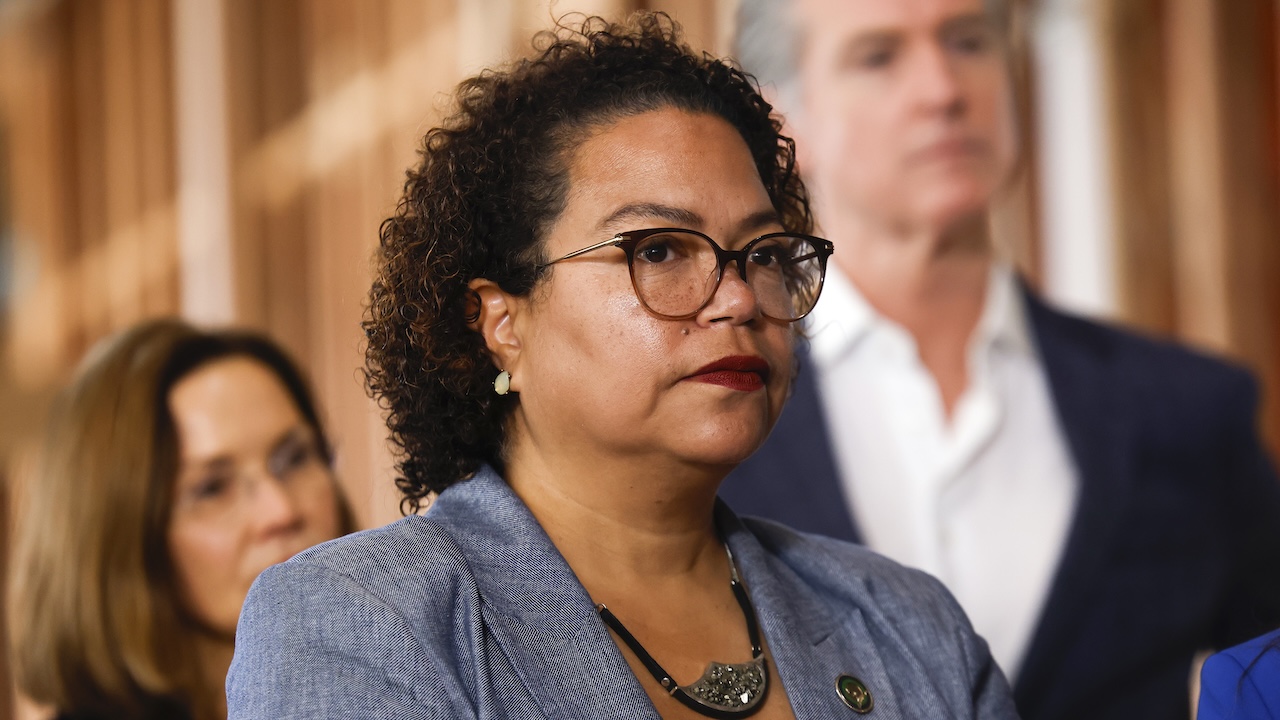
Image via The Daily Signal
California’s “Stop Nick Shirley Act” — A Blueprint for Silencing Undercover Journalism
California Assembly Bill 2624 — labeled by critics the “Stop Nick Shirley Act” — advanced this week, with opponents warning it would chill undercover journalism. The concern is that the bill broadens restrictions in ways that can be used to punish investigative reporting methods that expose wrongdoing, especially in politically sensitive areas.
Supporters frame it as privacy and consent protection. Critics see a familiar California pattern: write a law that sounds compassionate, then enforce it selectively — usually against the people most likely to embarrass powerful institutions, bureaucracies, or ideological allies.
🏛 Wade's Take: Sunlight is a disinfectant, and California’s political class hates getting caught on camera. If your policies are so righteous, you shouldn’t need legal shields from investigative scrutiny. This is how soft authoritarianism grows: not with tanks, but with “reasonable” rules that make truth harder to document.
Wade Lawson, The Local Conservative — build something real, protect what you built, and vote like it matters.
— Wade Lawson