Sponsored By:
Silver surged 144% in 2025 — and with Trump's deregulation clearing the path and Elon Musk eyeing critical material supply chains for Tesla, analysts say silver's next move could be explosive. Even whispers of Musk entering the silver market could send prices skyrocketing.
We created the 2026 Silver Forecast Guide to show you exactly what's driving silver's demand, why the timing is critical, and how to position yourself before the headlines break. Once the market reacts, it'll be too late.
Get the Free 2026 Silver Forecast GuideThis is an advertisement from First Ballot. If you no longer wish to receive promotions from this advertiser, please unsubscribe here. Or write to: 5005 Lyndon B. Johnson Fwy. Suite 350, Dallas, TX 75244.

From a Kansas Senate stage to the streets of France, today’s stories all rhyme: culture and security fights are economic fights. Here’s what’s happening, who it helps, who it hurts, and what to watch if you’re trying to protect your family, your business, and your portfolio.
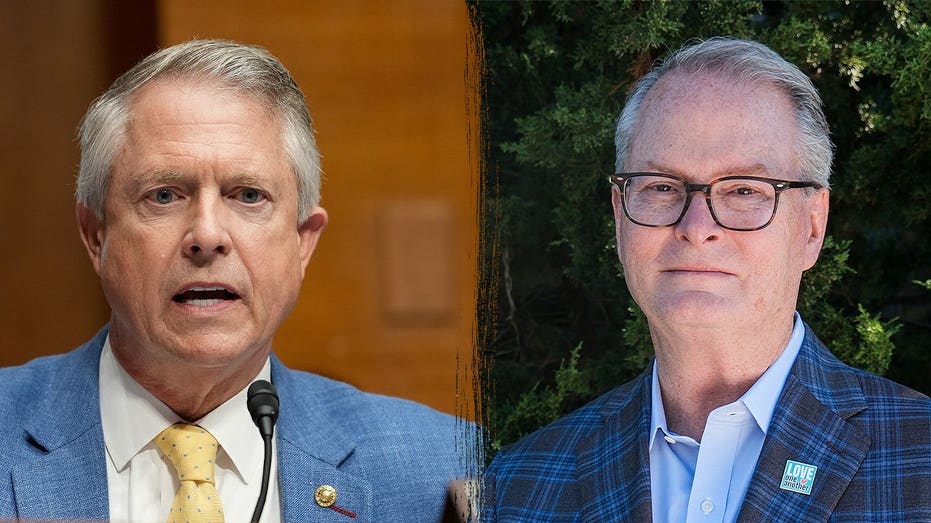
Image via Fox News
Kansas Senate Debate Turns Into a Proxy War Over Trump, Trans Sports, and the AI Economy
Wednesday night’s Kansas Senate debate between Republican Sen. Roger Marshall and Democrat Adam Hamilton turned into a familiar national tug-of-war, with Trump, Biden’s record, and social issues crowding the center of the stage. The sharpest exchanges weren’t just about personalities; they were about what kind of country Kansas is being asked to fund and live in for the next six years.
One flashpoint was transgender athletes in women’s sports, which is less about “sports” than it is about whether voters still believe government should recognize basic biological realities. Another was AI and the future of work, where both sides tried to sound forward-looking while dodging the uncomfortable truth: AI is going to pressure wages, disrupt entry-level jobs, and reward the businesses that can deploy it responsibly and cheaply. For small employers, that’s not a theory problem; it’s a margin problem.
Underneath all of it was the Biden record, inflation hangover, and the everyday question Kansas families ask: are we safer, richer, and more stable than we were? Debates like this matter because they shape the regulatory mood music that hits everything from farm country credit to downtown office leasing and the appetite investors have for risk.
🏛 Wade's Take: If Democrats want to run on “Trump bad” while families are still feeling the cost-of-living damage, they’re going to keep losing middle America. Republicans shouldn’t just win the culture arguments; they need to connect them to kitchen-table economics: fairness in schools, sanity in government, and a job market that isn’t being re-engineered by bureaucrats. And on AI, I want less grandstanding and more policies that keep innovation here while protecting workers from getting steamrolled.
📎 Fox News

Image via The Federalist
France’s Riots Are a Warning Label for the West’s Open-Borders Fantasy
France is once again dealing with riots, and the argument over “why” is as political as it is obvious. The Federalist’s piece says the quiet part out loud: decades of mass immigration without assimilation has produced parallel societies, and when trust breaks down, the streets light up.
Europe’s leaders have spent years telling their citizens that borders don’t matter and culture is infinitely flexible. But functioning economies require social trust: people obey laws, pay taxes, start businesses, and invest in neighborhoods because they believe the system is fair and shared. When communities stop feeling shared, you get higher security costs, capital flight, property damage, and a long-term drag on investment.
For Americans, this isn’t “France being France.” It’s a case study in what happens when leaders treat migration like a moral fashion statement instead of a national-interest decision. The bill shows up in policing budgets, insurance premiums, school systems, and the value of the real estate people worked their whole lives to own.
🏛 Wade's Take: A country isn’t an idea floating in the sky; it’s a contract between citizens, enforced by borders and a shared rulebook. If you import millions of people and then refuse to demand assimilation, you don’t get “diversity,” you get fragmentation and higher costs for everyone who plays by the rules. Investors should take note too: social instability is an unpriced risk until it isn’t, and then it hits everything from tourism to municipal bonds to commercial property values.
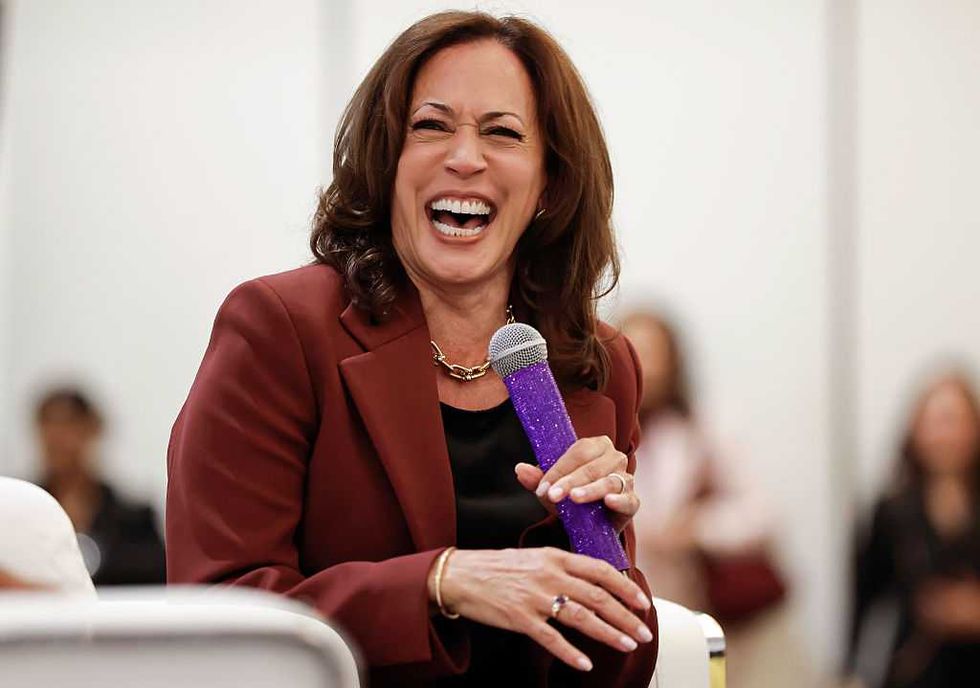
Image via TheBlaze
Kamala’s Election-Integrity Panic Backfires Where Democrats Actually Control the Rolls
Kamala Harris is leaning into election integrity rhetoric ahead of the midterms, and TheBlaze points out the irony: her loudest claims about “cheating” raise uncomfortable questions for the places where Democrats run the machinery. When you start waving your arms about dirty voter rolls, you’re effectively spotlighting the very blue-state systems your party has defended for years.
Voter rolls are not a partisan luxury item; they’re basic infrastructure. If they’re bloated with bad addresses, duplicates, or outdated registrations, it creates chaos, litigation, and suspicion that bleeds into close races. And when citizens don’t trust the count, you get lower participation, more polarization, and a slower economy because businesses don’t invest confidently in communities they think could tip into unrest.
For small business owners, this issue is simple: we reconcile the books or we go under. Government ought to treat voter lists with the same seriousness we treat payroll, compliance, and audits. If Harris wants to talk integrity, fine, but that means supporting clean-up standards everywhere, not just when it’s politically convenient.
🏛 Wade's Take: If your party has been calling voter-roll maintenance “suppression” for a decade, you don’t get to suddenly clutch pearls about integrity without explaining yourself. Clean rolls, clear ID rules, and transparent procedures are pro-voter because they reduce disputes and strengthen consent of the governed. Democrats created this mess rhetorically, and now they’re getting cornered by their own talking points in the states they run.
📎 TheBlaze

Image via New York Post
Michigan’s Abdul El-Sayed Hit Over Muslim Brotherhood Letter: Voters Deserve Straight Answers
Michigan Senate hopeful Abdul El-Sayed is facing scrutiny over a 2012 letter he once signed urging Egypt’s Muslim Brotherhood government under President Mohamed Morsi to “purge” the media and police. The New York Post reports the resurfaced letter is raising questions about judgment, ideological alignment, and whether El-Sayed’s past activism matches what Michigan voters think they’re hiring.
This isn’t a niche foreign-policy trivia question. When American politicians flirt with illiberal movements abroad, it signals a comfort level with centralized power and political purges that should chill anybody who values constitutional rights. “Purging” media and law enforcement is the kind of language used by regimes that don’t tolerate dissent, and it’s the opposite of the American model.
Economically, political extremism and anti-institution impulses have real consequences. Markets run on stable institutions: credible courts, professional law enforcement, predictable rules. When candidates reveal an attraction to authoritarian tactics, it should trigger skepticism from voters and investors alike about how they’ll treat speech, policing, business regulation, and civil liberties at home.
🏛 Wade's Take: If a candidate has a history of endorsing “purges” of media and police, he owes the public a clear explanation, not word games. I don’t care what letterhead it was on or how fashionable the cause was in elite circles at the time; that’s anti-American language. Michigan needs leaders who strengthen institutions and protect rights, not activists who sound like they’d use government as a weapon when they’re in charge.
Pentagon’s Autonomous Warfare Push Is a Big Deal for Defense, Contracts, and the Next Tech Cycle
Newsmax highlights a new U.S. push toward fighting on future battlefields with an Autonomous Warfare Command. Strip away the sci-fi wording and this is about integrating drones, sensors, AI decision-support, and machine-speed logistics into a coherent command structure that can deter near-peer adversaries.
For national security, autonomy is about survivability and speed. For the economy, it’s about procurement priorities and where federal dollars flow next: software, semiconductors, secure comms, satellite networks, and the defense-industrial suppliers that can scale. It will also raise hard questions about oversight, rules of engagement, and how much decision-making we are willing to delegate to algorithms.
Investors should recognize a familiar pattern: when Washington defines a strategic priority, entire ecosystems of contractors, subcontractors, and venture-backed startups reorganize around it. That can mean real opportunity, but it also attracts waste, hype, and politically connected “solutions” that never leave the slide deck.
🏛 Wade's Take: I’m for keeping our troops alive and our enemies uncertain, but I’m not for writing blank checks to glossy autonomy programs with no accountability. The right way to do this is clear metrics, tight contracting, and serious cybersecurity, because an “autonomous” force that can be spoofed or jammed is just an expensive liability. If you invest in this theme, stick to firms with proven delivery and durable moats, not the hot buzzword of the quarter.
📎 Newsmax
That’s the roundup for Thursday. Keep your head on a swivel, keep your balance sheet clean, and don’t let political theater distract you from where policy is pushing costs, risk, and opportunity.
— Wade Lawson