Sponsored By:
With government debt soaring and inflation still biting, smart investors aren't waiting for volatility to hit — they're preparing now. The Gold Wealth Blueprint breaks down exactly how gold has historically shielded portfolios during periods of fiscal strain and market uncertainty.
Inside, you'll discover why gold moves differently than paper assets, how to use it as a practical hedge, and how to size your exposure without overcommitting. It's concise, actionable, and free — but don't sit on it.
Get the Free Gold Wealth BlueprintBy following the link above, you're choosing to opt in to receive insightful updates from Investor News + 2 free bonus subscriptions. Your privacy is important to us. You can unsubscribe anytime. See our privacy policy for details.

From a Mississippi governor’s race to DOJ staffing fights in Washington, the common thread is simple: who controls the rules, who gets investigated, and how fast the economy can actually grow.
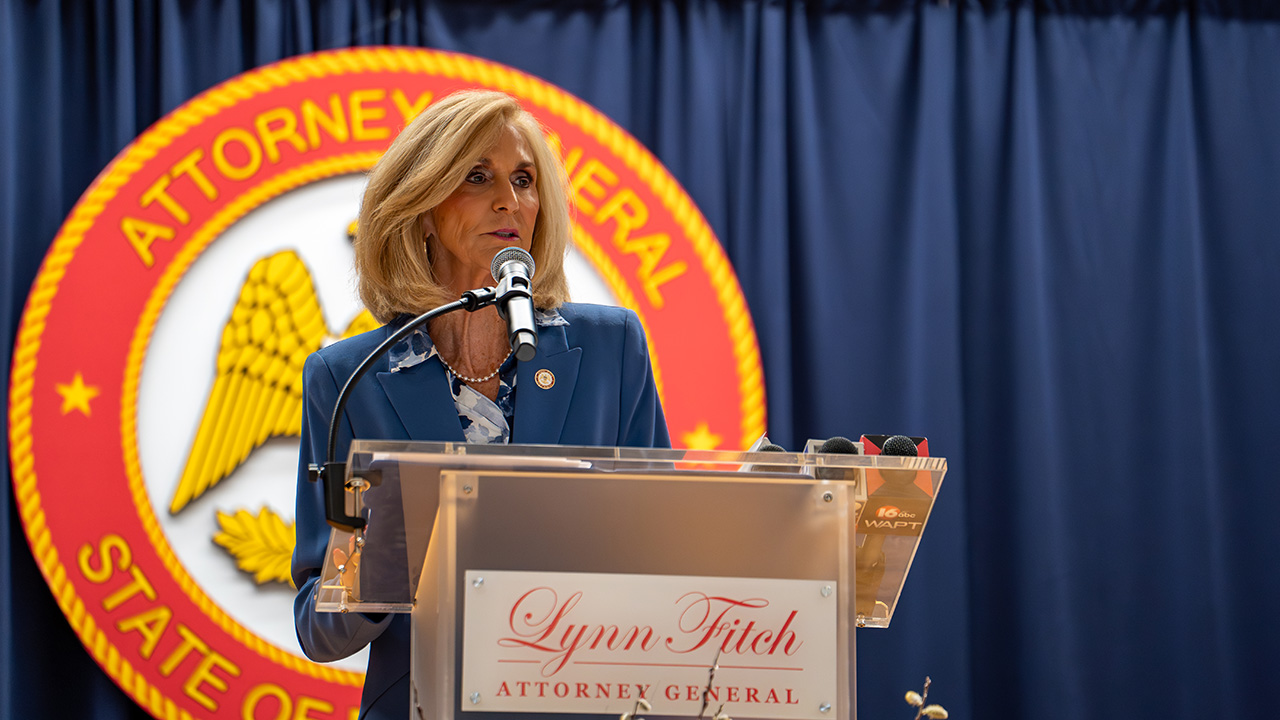
Image via Daily Signal
Mississippi’s Next Governor Race Starts With a Law-and-Order Pitch
Mississippi Attorney General Lynn Fitch is set to jump into the governor’s race, and the early framing is exactly what you’d expect from a statewide AG with Trump-world credibility: enforcement, cultural fights, and a promise to keep the state red and competitive. For a state that sells itself on low costs and a business-friendly posture, the governor’s office isn’t just political theater—it sets the temperature for permitting, economic development deals, and how hard agencies lean on employers.
If you’ve ever tried to land a major tenant, recruit a plant, or keep a downtown redevelopment alive, you know investor confidence is part policy and part perception. A governor’s race brings both into focus: taxes, tort climate, infrastructure priorities, and whether the state keeps its edge versus neighbors that will happily poach jobs with incentives and smoother bureaucracy.
This will also test what kind of Republican coalition Mississippi wants next: populist energy versus chamber-of-commerce stability, and whether the next governor will put as much effort into making it easier to build and hire as they do into winning cable-news cycles.
🏛 Wade's Take: I want a governor who treats the state like a balance sheet: grow the tax base by growing the private sector, not by squeezing the folks already making payroll. If Fitch runs on enforcement and conservative values, fine—but she’d better talk plainly about cutting red tape, protecting property rights, and keeping Mississippi competitive on jobs. States don’t win long-term with slogans; they win with predictable rules and low friction for business.
A China-Tied Family Connection Raises Red Flags for a New York Democrat
A report is raising questions about New York Democratic congressman Josh Riley after details surfaced about his father-in-law’s involvement with an institute at a Chinese government-controlled university that promotes Beijing’s Belt and Road messaging. Even when an elected official isn’t directly tied to the work, these networks matter because they shape influence, access, and the softening of hard truths about the CCP’s economic strategy.
Belt and Road isn’t charity. It’s how China buys leverage over ports, logistics corridors, raw materials, and political decision-making. And while Washington argues about labels, the real-world effects show up in procurement, supply chains, and whether American capital ends up financing our competitor’s infrastructure ambitions through index funds, pension exposure, or corporate partnerships.
For investors and business owners, the risk isn’t just espionage headlines. It’s policy drift: leaders who downplay the threat end up backing trade rules, tech carve-outs, and compliance regimes that punish U.S. firms while letting Chinese-linked entities keep scaling.
🏛 Wade's Take: If you can’t draw a bright line between American interests and CCP influence operations, you don’t belong anywhere near the committees shaping trade, technology, and national security. I don’t care what party you are—America needs leaders with the backbone to say no to Beijing’s power plays. And for my fellow investors: keep auditing your exposure, because Wall Street will chase returns right into geopolitical quicksand if you let it.
Trump’s Tax Audit Shield Holds—And the Bigger Issue Is Trust in the System
A legal development keeps former President Trump’s tax-audit immunity intact for now, extending the fight over what financial records can be pursued, by whom, and on what timeline. The immediate story is procedural, but the lasting story is political: the public keeps getting fed a steady diet of investigations and counter-investigations, while everyday people watch the rulebook feel different depending on your zip code and your donor list.
The markets don’t panic over courtroom steps, but small businesses do react to uncertainty in the broader environment. When politics turns into permanent prosecution season, capital gets cautious, decision-makers delay, and agencies get weaponized—not always against the powerful, but often against the easiest targets: smaller operators without a battalion of attorneys.
This also fuels a dangerous cycle: one side argues accountability, the other argues persecution, and both sides fundraise off the outrage. Meanwhile, the tax code stays bloated, the IRS stays confusing, and compliance stays expensive for the people who actually have to earn money before they can be taxed on it.
🏛 Wade's Take: I’m for fair enforcement, and I’m also for one standard, not two. If there’s wrongdoing, prove it cleanly and quickly—but stop turning the legal system into a political subscription service that never ends. The real fix is simpler: a tax code that regular Americans and small businesses can understand without paying a small fortune to interpret it.
📎 AP News

Image via The Hill
Blanche’s DOJ Vote Puts Law Enforcement and Politics on the Same Stage
Acting Attorney General Todd Blanche heads into a Senate Judiciary Committee vote as Democrats and Republicans fight over whether he should lead DOJ permanently. Confirmations are always political, but DOJ confirmations are different: they set the tone for prosecutions, regulatory enforcement, and how aggressively the federal government targets fraud, corruption, and violations in business and public life.
Supporters argue Blanche would bring order and focus after years of institutional drift and headline-driven decision-making. Critics warn about partisanship and fear that DOJ could become a shield for allies and a sword for opponents. That tug-of-war matters outside Washington because it influences everything from white-collar enforcement priorities to how federal agencies coordinate with state attorneys general.
For business owners, the practical question is predictability. A DOJ that is consistent and rules-based is good for commerce; a DOJ that appears selective, performative, or political increases compliance risk and makes everyone feel like they could be the next example.
🏛 Wade's Take: I want DOJ to be boring again: clear priorities, equal treatment, and fast accountability. If Blanche can’t convince the country that the same rules apply to friends and enemies, the legitimacy problem gets worse and the economy pays for it through uncertainty and risk premiums. The Senate should vote based on competence and independence, not which side gets a short-term win.
📎 The Hill

Image via Daily Caller
DOJ’s Anti-Fraud Push Has a New Face—And It Could Save Taxpayers Real Money
An Assistant Attorney General, Colin McDonald, is emerging as a key driver of the administration’s fraud crackdown, with a public-facing push to get state and federal actors sharing information faster. The concept is straightforward: fraudsters exploit silos, and when agencies don’t coordinate, the same bad actors can bill multiple programs, hop jurisdictions, and bury auditors under paperwork.
Fraud isn’t an abstract moral issue—it’s a direct tax on honest work. It inflates public spending, drives deficits, and eventually shows up in the form of higher taxes, higher borrowing costs, and less room for legitimate priorities like infrastructure and public safety. It also undermines faith in government programs that might be defensible when administered tightly.
If the task force approach actually improves data sharing and speeds up prosecutions, it can change incentives. When the odds of getting caught go up, the payoff of cheating goes down, and that’s how you shrink the problem without adding another hundred pages of compliance on the people playing it straight.
🏛 Wade's Take: This is one of the few areas where government can do its job and help the private sector at the same time. Nail the fraudsters, recover the money, and stop treating taxpayers like an unlimited credit line. Just don’t let the crackdown turn into paperwork punishment for legitimate small businesses—go after intent, patterns, and organized abuse.
That’s the roundup for Tuesday. Keep your head on a swivel, your books clean, and your capital positioned where the rules are predictable and the upside is real. —Wade Lawson, The Local Conservative
— Wade Lawson