Sponsored By:
The Fed held rates, inflation is still above target, and uncertainty is rising — that means the "buy anything AI" trade is over. Smart money is rotating fast toward the companies actually building AI infrastructure: chips, cloud capacity, and mission-critical data tools. Big Tech alone is projected to spend $635B–$665B on AI in 2026 — and not all of it is going where most investors are looking.
We've identified 9 AI stocks worth watching right now — including a lesser-known chip name tied to U.S. AI infrastructure, a cloud player with improving setup, and a data analytics company with government exposure. This isn't hype. It's about following where capital is actually being deployed.
Get the Free Report NowBy clicking the link above, you will receive this free report and a free subscription to the StockEarnings daily email newsletter. You are also agreeing to the terms of our Privacy Policy. Unsubscribe at any time.

Friday, October 9, 2026. Five stories that all rhyme: tax the deal, smear the cops, squeeze the private sector, and then act shocked when investment and order start slipping.

Image via Washington Examiner
L.A.’s “Mansion” Tax: Fewer Sales, Lower Revenue, and a Wider Net
Los Angeles sold voters a feel-good “mansion tax” and got the most predictable result in real estate: transactions slowed, sellers and buyers changed behavior, and the tax base shrank right when city hall expected a windfall. When you slap a big transfer tax on the top of the market, deals don’t just keep flowing like nothing happened. People wait, they negotiate harder, they move listings off-market, or they take their capital somewhere less hostile.
The other ugly piece is how these taxes tend to spread. First it’s “mansions,” then it’s “luxury,” then it’s whatever price point politicians decide is “fair” this year. Meanwhile, the city still has the same spending appetite, so when revenue misses the projections, the pressure builds to broaden the tax or stack on new fees.
This is also a warning to property owners well below the so-called mansion tier. High-end comps matter, and when the top gets clogged up, the whole chain backs up: move-up buyers pause, builders reassess, and price discovery gets messy. That’s not just a Beverly Hills problem; it’s an everything-with-a-roof problem.
🏛 Wade's Take: If you want fewer homes sold, fewer renovations funded, and less outside capital willing to touch your market, a punitive transfer tax is a great way to get there. Real estate is a confidence business, and confidence evaporates when government treats every transaction like a piggy bank. Conservatives should be clear: the fix for housing isn’t “tax the deal,” it’s “build the supply,” streamline approvals, and stop punishing mobility.

Image via New York Post
NYC’s Leadership Problem: When the Mayor Won’t Back the Badge
A fresh round of New York City friction broke out after Mayor Zohran Mamdani reportedly labeled ICE “rotten to its core,” drawing a sharp rebuke from DHS chief Markwayne Mullin. The flashpoint involved a Bronx incident where federal agents shot a suspect, and the political response quickly turned into the usual script: demonize the institution, then demand better outcomes from the same people you’re undercutting.
There’s a practical cost to this rhetoric that business owners understand immediately. When city leaders signal contempt for law enforcement and federal partners, it doesn’t stay in the press releases. It shows up in staffing, morale, response times, and the willingness of good officers to stay on the job.
For investors, lenders, and property operators, public safety isn’t a culture-war talking point; it’s a line item. If tenants don’t feel safe, foot traffic drops, insurance goes up, and cap rates get punished. That’s how you drain a tax base for real, not with one bad year, but with a decade of slow-motion exit.
🏛 Wade's Take: A mayor who won’t stand up for his own officers is telling the market he’s fine with disorder as the price of ideology. You can debate policy all day, but smearing enforcement while expecting safe streets is like skipping maintenance and wondering why the building fails inspection. If New York wants investment and jobs, it needs leaders who back the rule of law, not ones who audition for activist applause.

Image via American Thinker
Argentina’s Milei Shows What Happens When You Actually Cut Taxes
Argentina’s President Javier Milei is still a lightning rod, but the left’s hardliners are reportedly panicking over the results of his tax-cut push. In a country that’s lived through inflation trauma and chronic state overreach, even incremental moves toward lower taxes and a smaller government hit like a cultural earthquake.
The pro-growth logic is simple: when you let businesses keep more of what they earn, you get more hiring, more investment, and more formal economic activity instead of everything hiding in the shadows. Argentina has been stuck in a cycle of political promises funded by money printing and confiscatory rules. Tax cuts, paired with spending discipline, are a direct attack on that cycle.
Now, none of this is magic, and Argentina’s institutions have plenty of problems. But it’s still instructive watching how fast the political class screams when the private sector gets a little breathing room. That tells you exactly who was living off the old system.
🏛 Wade's Take: Tax cuts aren’t a handout; they’re an oxygen mask for productive people. The American lesson is the same one I’ve lived in business: if you want growth, you don’t punish payroll, investment, and risk-taking. Milei’s fight is what every reformer faces, because the loudest voices are usually the ones cashing the biggest checks from the status quo.
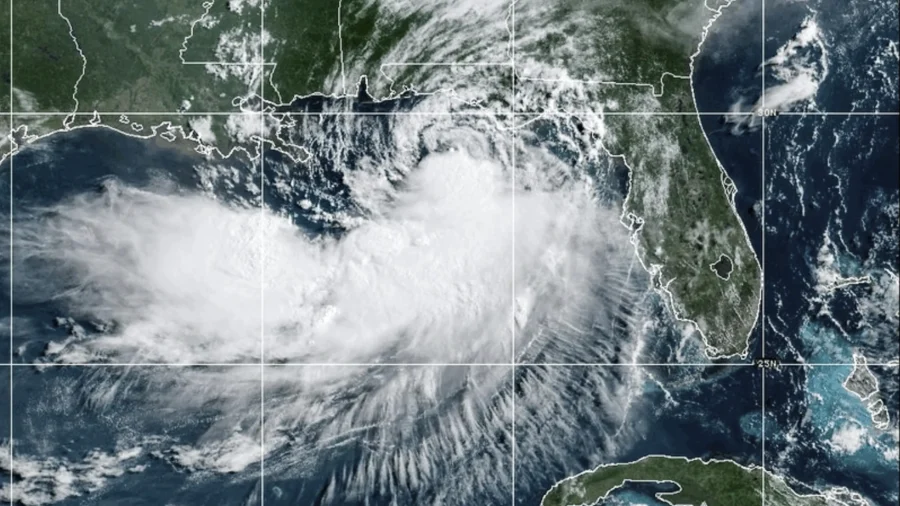
Image via NTD
DeSantis Treats Hurricanes Like Adults Do: Plan Early, Speak Plainly, Execute
Florida Gov. Ron DeSantis held a preparedness briefing on Hurricane Isaias as watches and warnings spread along parts of the Gulf Coast. The messaging focused on readiness, coordination, and making sure residents understand what’s coming and what to do next.
This kind of briefing matters more than people admit. When state leadership is clear and disciplined, you reduce panic buying, keep evacuations orderly, and help utilities and local governments prioritize the right assets first. In a storm, confusion is its own kind of damage.
From an economic angle, preparedness is also about preserving small businesses and protecting the property-tax base that funds everything from schools to sheriffs. Every hour shaved off restoration time is real money saved, real paychecks protected, and real neighborhoods stabilized.
🏛 Wade's Take: Competent emergency management is conservative government at its best: focused on the basics, honest about risks, and serious about execution. If you’ve ever run a business through a crisis, you know the value of clear leadership and no-nonsense logistics. Florida’s model should be studied, because resilience is an economic advantage, not just a weather story.
📎 NTD
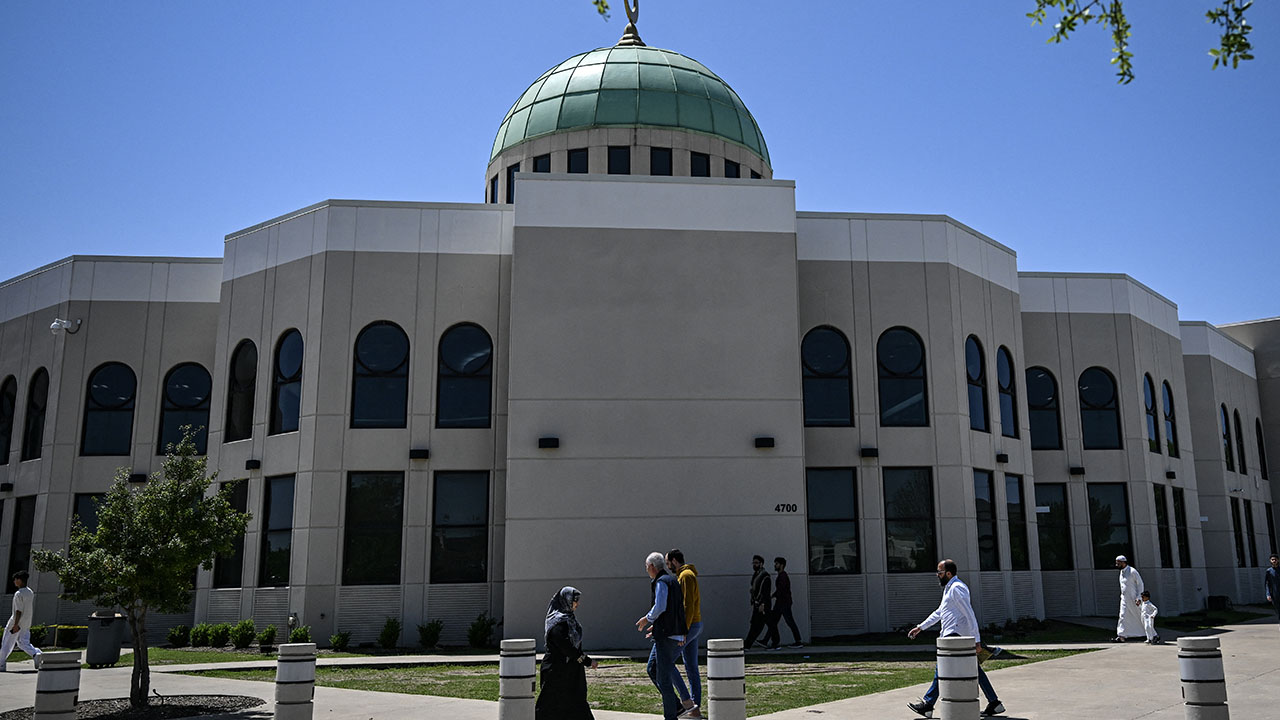
Image via The Daily Signal
A Texas County Draws a Line: American Law in America
Van Zandt County, Texas, unanimously approved a resolution denouncing Sharia, becoming the first Texas county to pass a measure specifically addressing the use of that legal framework. Supporters framed it as a proactive statement that the county stands behind constitutional governance and rejects parallel legal systems.
Critics will call it symbolic, but symbols matter in civic life. Local government sets expectations, and expectations shape behavior. When communities clarify that disputes will be handled under American law, you reduce ambiguity for courts, schools, and public agencies that can otherwise get pressured into “accommodations” that quietly conflict with equal protection and individual rights.
There’s also a broader point for people like me who watch markets and migration patterns. Stability, shared civic rules, and predictable legal standards are why families move to places like East Texas in the first place. You don’t get investment without trust in the legal foundation.
🏛 Wade's Take: I want every citizen protected by the same set of rights and the same set of laws, period. Local leaders don’t need to apologize for saying the Constitution is the floor and the ceiling for governance here. When you keep the rules clear and equal, you protect community cohesion and the kind of long-term confidence that attracts families, jobs, and capital.
That’s the roundup. Build real things, watch the incentives, and never forget: when politicians “target” somebody else, they’re usually just practicing for when they target you.
— Wade Lawson