Sponsored By:
A rare signal just fired. One of Alpha Wire Daily's most reliable indicators — the kind that doesn't trigger often — just flagged a quiet small-cap that's historically appeared right before major announcements, institutional buying surges, and sharp price moves. Most investors haven't noticed it yet.
The team at Alpha Wire Daily put together a full briefing: company name, chart setup, and exactly why this one made the cut. They'd rather send you one email that matters than fifty that don't. This is that email — but it won't stay timely for long.
Read the Free Report + Get Alert AccessWe encourage readers to perform their own research and due diligence on any information we provide. By clicking the link above you will automatically be subscribed to the Alpha Wire Newsletter. Privacy Policy

Five stories today that all point to the same question I ask in business and investing: who’s really driving the incentives, and who’s left holding the bill.
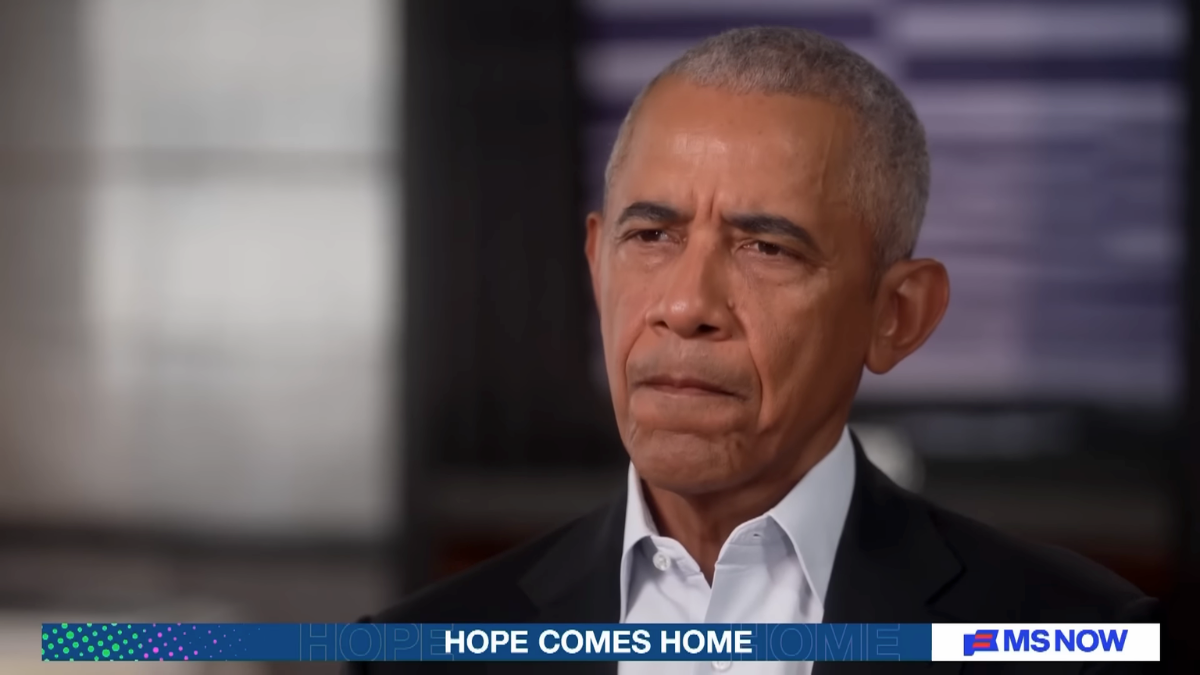
Image via The Federalist
Obama Didn’t Moderate the Democrats; He Rewired Them
A lot of folks still talk about Barack Obama like he was some calm, reasonable bridge between old-school Democrats and today’s hard-left crowd. But if you track the incentives, the appointees, the donors, and the cultural muscle that got built during and after his presidency, you see something else: the modern Democrat Party’s center of gravity shifted on his watch and stayed there.
This isn’t just a “politics” argument. It shows up in how the party treats markets, policing, energy, education, and property rights. When the loudest voices in the coalition are pushing redistribution-first economics and ideological compliance, businesses don’t just plan around taxes; they plan around instability.
And instability is the silent killer for middle America: small employers delay hiring, developers pause projects, banks tighten credit, and families watch the cost of basics outrun wages. You can call it compassion, but if the results are higher prices, weaker public order, and a regulatory maze that only big corporations can afford, it’s not compassion in practice.
🏛 Wade's Take: Obama wasn’t a speed bump on the road to the left; he was the on-ramp. If you’re trying to protect your household balance sheet, your business, and your property values, treat the “new” Democrat agenda as the logical outcome of what’s been built for years. Vote and invest like you believe patterns matter, because they do.

Image via TheBlaze
Talarico’s Reparations Pivot Shows You Who He Answers To
Texas Senate candidate James Talarico is making the kind of move I’ve seen plenty of times in negotiations: the sudden “principled” shift that looks a whole lot like pressure. After an activist threat enters the picture, he reportedly leans into reparations talk and frames it as part of his faith tradition.
Now, I’m a churchgoing man, and I don’t play games with faith. But I also know when someone is using moral language to launder a political agenda. Reparations isn’t a small, symbolic policy. It’s a massive fiscal and social restructuring with real consequences for taxpayers, public services, and how communities relate to each other.
And here’s what the business mind hears: if a candidate can be steered by activists on a volatile issue like that, imagine what happens when the donors, unions, and national party apparatus start calling. Investors and employers don’t fear debate; we fear governance-by-intimidation.
🏛 Wade's Take: If you can be threatened into “discovering” a new doctrine, you’re not leading anybody. Reparations is an economic grenade dressed up as virtue, and it would turn Texas into a courtroom for political grievances funded by working families. Texans should pick leaders who can say no to the mob and yes to growth, safety, and fairness under one law.
📎 TheBlaze
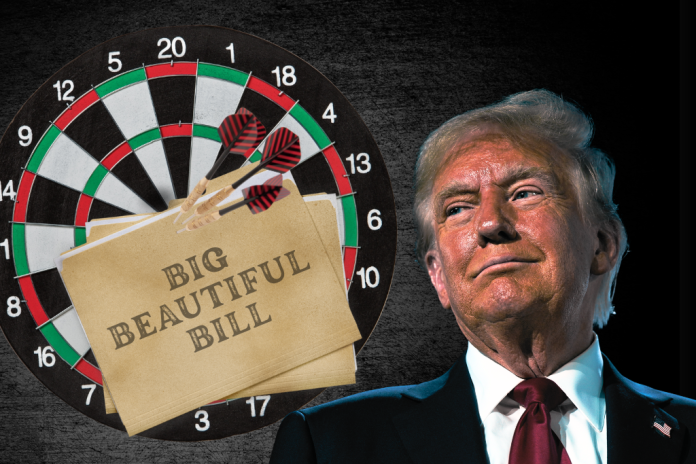
Image via Washington Examiner
The Big Beautiful Bill Passed Because Trump Still Knows How to Close
Washington Examiner details how the One Big Beautiful Bill Act got over the line, with Treasury Secretary Scott Bessent pointing to President Trump’s direct persuasion of reluctant Republicans. Whatever you think of the theatrics, that kind of closing is a real skill: reading the room, counting votes, offering the right concessions, and applying pressure without losing the deal.
For markets, the process matters almost as much as the policy. When the White House can actually deliver votes, uncertainty drops and capital starts moving. Businesses don’t require perfection; we require a reasonable sense that the rules of the game won’t change every other week.
The bigger question is what’s inside the bill and how it hits debt, rates, and incentives. If it strengthens domestic production, streamlines permitting, and keeps taxes predictable, you’ll see it in hiring, capex, and property demand. If it’s just a spending party with a new name, the bond market will eventually send the invoice.
🏛 Wade's Take: A closer matters because gridlock is expensive and volatility is a hidden tax. I’m glad to see a president working the phones and getting results, but conservatives still need to watch the debt and the details like a hawk. The win isn’t passing a bill; the win is passing the right bill that grows the pie without poisoning the balance sheet.

Image via American Thinker
AI Data Centers: The New Industrial Boom, If We Don’t Strangle It
The argument for embracing AI data centers comes down to the same thing America has faced in every growth era: do we build the infrastructure here, under our laws and our standards, or do we let it migrate overseas and then buy it back at a premium? Data centers are the factories of the modern economy, and they’re going to cluster where power is available, permitting is sane, and leaders aren’t hostile to growth.
From my real estate seat, this trend is already reshaping whole regions. Data centers drive demand for industrial land, substations, fiber routes, construction labor, security services, and long-term maintenance. Done right, they’re an anchor tenant for an entire local economy, and they can stabilize tax bases without the retail boom-and-bust cycle.
But they’re power-hungry, and that’s where we either get serious or get left behind. If we keep treating reliable energy like a sin and permitting like a punishment, we’ll lose the next wave of investment to countries that don’t share our values and don’t care about our privacy.
🏛 Wade's Take: I’m with Trump on this one: build the data centers, build the power, and build the pipeline of skilled workers to run them. This is how you keep high-value jobs, national security, and technological leverage at home. If conservatives want America to win the century, we’ve got to say yes to infrastructure and no to bureaucrats who think “no” is a climate plan.

Image via NTD
Iran Keeps Pulling Our Focus While China Builds the Future Battlefield
A Pentagon insider warns that Iran’s constant pressure and flare-ups are limiting America’s ability to build up forces in the Pacific against China. That’s a strategic cash-flow problem: resources are finite, readiness is finite, and attention is finite. If you keep getting dragged into expensive side fights, you’re not investing adequately in the main theater.
From an economic angle, this is about trade routes, semiconductor supply chains, shipping lanes, and energy markets. Every spike in risk raises insurance costs, disrupts logistics, and pushes inflation into the real economy. Small businesses feel it first in fuel, freight, and credit conditions.
The hard truth is we can’t posture our way out of a two-front strain. Deterrence requires sustained capability, not press releases, and capability requires budgets that aren’t eaten alive by waste and political games.
🏛 Wade's Take: Iran shouldn’t be allowed to function as a strategic distraction while China prepares for the big contest. We need clear priorities: crush proxy leverage, harden our regional posture, and free up bandwidth for the Pacific. If we can’t focus, we’ll pay for it in higher prices at home and higher risks abroad.
📎 NTD
I’m Wade Lawson. Keep your head on a swivel, your expenses under control, and your investments grounded in the real economy. See you tomorrow in The Local Conservative.
— Wade Lawson