Sponsored By:
That "Trump Bump" Social Security raise? Already gone. Medicare premiums, gas, groceries — they've swallowed every penny before it hits your account. Meanwhile, your benefits have already lost 13.7% of their purchasing power since 2016, and the system would need to raise checks by 15.7% just to break even. You're getting $81. You needed $296.
Central banks have been quietly buying one specific asset at the fastest pace in 50 years — and JP Morgan now sees it hitting $8,000. Smart retirees aren't waiting on the next COLA. They're protecting what's left right now. Get the free guide and see the 3 steps disciplined retirees are using to outrun the inflation Washington can't stop.
Get the Free Wealth Preservation GuideThis is an advertisement from First Ballot. If you no longer wish to receive First Ballot promotionals, please let us know. Or write to: 5005 Lyndon B. Johnson Fwy. Suite 350, Dallas, TX 75244

A $17 billion crackdown on global fraud rings, a fresh round of race-baiting headlines, a foreign-state threat near a U.S. base in the UK, an extradited narco-terror suspect, and a new federal portal aimed at making government services work like the private sector.
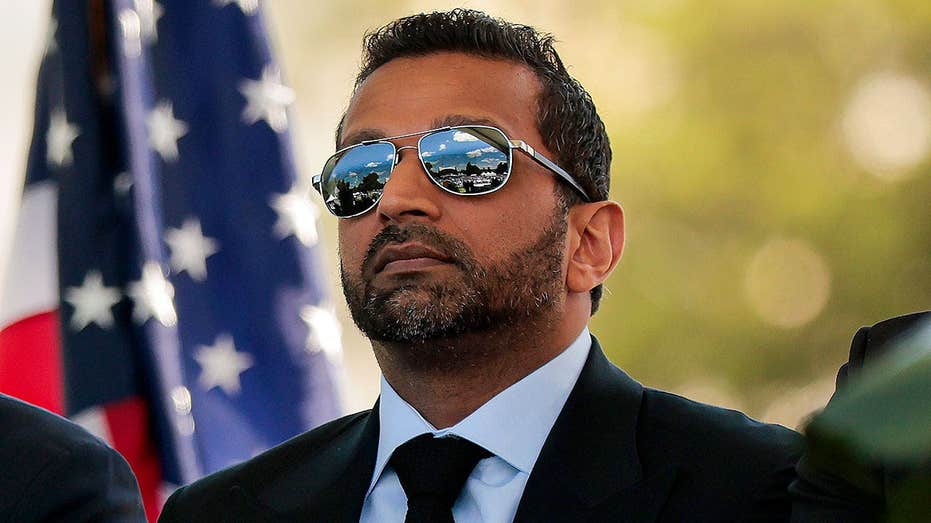
Image via Fox News
Operation Blackout: $17 Billion Seized From Global Scam Compounds Targeting Seniors
FBI Director Kash Patel says Operation Blackout has already seized roughly $17 billion tied to sprawling scam compounds overseas that target American seniors. These aren’t just a few guys with laptops. Patel is describing organized “scam cities” that run like factories: scripts, supervisors, payment rails, and a pipeline designed to drain retirement accounts one wire transfer at a time.
For families, the damage isn’t just financial. It’s emotional and practical: a parent who gets cleaned out becomes dependent on adult kids, retirement plans get scrapped, and the stress hits health. For the broader economy, fraud like this is a hidden tax on productive people, because every stolen dollar is a dollar not spent in local businesses, not invested, and not passed down.
The other angle investors should watch is where these rings move money. Fraud proceeds don’t sit in checking accounts; they flow through crypto, shell companies, overseas real estate, and trade-based laundering. A crackdown of this size will shift tactics, and it will also pressure banks and payment providers to tighten compliance, which usually means more friction for honest customers and small businesses.
🏛 Wade's Take: If you want to talk about protecting seniors, start here, not with another Washington press conference about “awareness.” The government should hit these networks the way you hit a cartel: seize assets, arrest managers, and choke the payment rails, then make restitution as streamlined as possible. And families need a hard rule: no wire transfers, no gift cards, no crypto purchases, no “tech support” logins without a phone call to a known number and a second set of eyes.
📎 Fox News
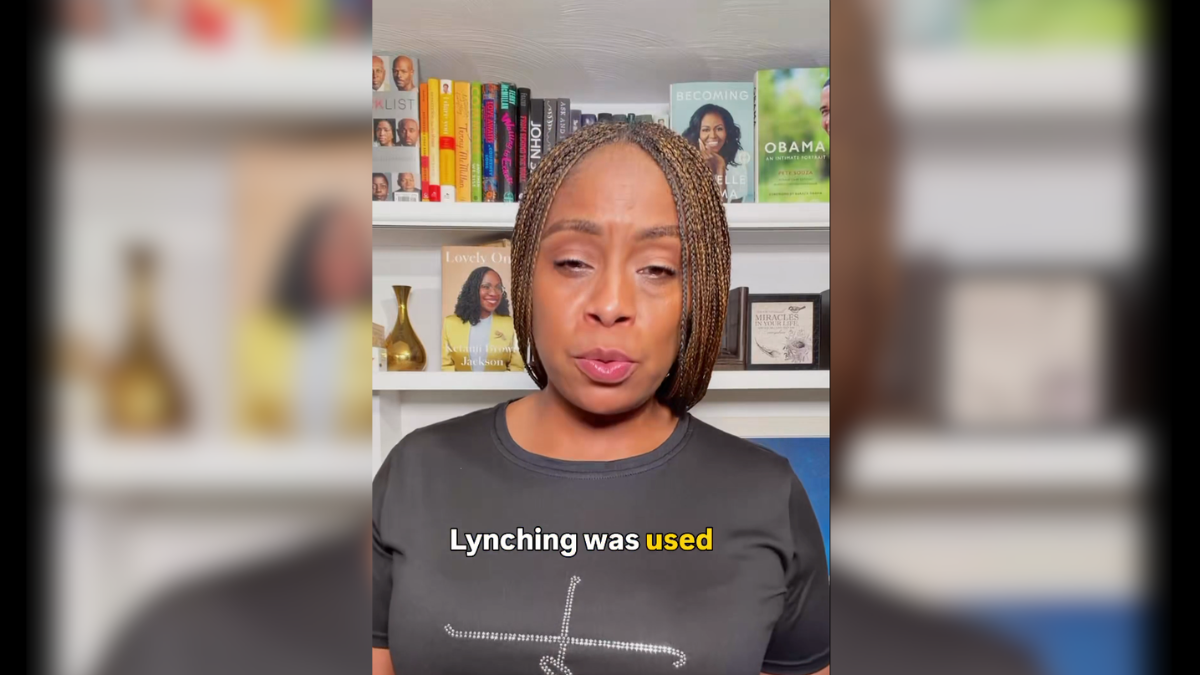
Image via The Federalist
Another Media-Made ‘Panic’: The Political Business Model of Racial Hoaxes
The latest “fake lynching panic” story is familiar: breathless headlines, instant moral certainty, and politicians demanding sweeping action before the facts are even nailed down. The Federalist argues this fits a long pattern where Democrats and major media outlets manufacture a narrative of racial terror, then use it to push policy, fundraising, and cultural leverage.
When the truth catches up, the correction never travels as far as the initial accusation. That has real-world costs. Businesses get boycotted, communities get smeared, and employers get pressured into costly “training,” consultants, and PR spending that has nothing to do with productivity or public safety.
There’s also an economic spillover that doesn’t get discussed: this kind of sensationalism makes places harder to invest in. Investors price in instability. Families considering a move look for calm and competence. Property values don’t love cities that are constantly portrayed as one incident away from chaos, especially when those portrayals are politically useful rather than fact-based.
🏛 Wade's Take: I don’t need America to be perfect to love it, but I do need the truth before we torch reputations and rewrite policy. If someone claims a hate crime, investigate it fast and publicly, and if it’s a hoax, prosecute it like the fraud it is. A society that rewards false accusations is a society that’s signing up for more of them.

Image via The Hill
Rubio: Thwarted Threat Near U.S. Base in UK ‘Clearly’ Involved a Foreign State
Secretary of State Marco Rubio says an incident involving a U.S. air base in the United Kingdom “clearly” involved a foreign state, after reports of an alleged thwarted attack. Details are still emerging, but Rubio’s framing matters: this wasn’t random criminality or a lone actor problem. It’s state-level probing of U.S. capabilities and allied defenses.
For markets and the economy, state-backed operations land in a few predictable places: defense spending, cyber security budgets, and the insurance and logistics costs that quietly rise when geopolitical risk rises. When adversaries test our perimeter, businesses eventually pay through higher compliance requirements, tighter screening, and disruptions that slow down trade.
It also speaks to the broader strategic environment. If foreign states are willing to take shots, even indirectly, at U.S. facilities on allied soil, that’s a reminder that deterrence is not a slogan. It’s readiness, intelligence coordination, and consequences that are painful enough to change behavior.
🏛 Wade's Take: If Rubio’s right, we need more than a stern statement and a diplomatic protest note. A foreign state testing our bases should expect a response that makes the next “test” too expensive to try. And at home, we ought to treat physical security and cyber security like basic infrastructure, not optional line items that get trimmed to make room for pet programs.
📎 The Hill

Image via Western Journal
‘The Spider’ Lands in U.S. Custody: Extradition Signals a Harder Line on Narco-Terror Networks
The Trump administration has extradited Geovany Andres Rojas, known as “The Spider,” described as a major Colombian narco-terror figure whose transfer was previously delayed. The report highlights how foreign leaders can treat criminals as bargaining chips, turning justice into leverage and dragging out accountability.
For Americans, the narco-terror problem isn’t abstract. It shows up in overdoses, human trafficking, and organized crime spreading into smaller cities and suburban corridors. It also shows up in costs: more strain on hospitals, more pressure on law enforcement budgets, and more lost labor force participation when addiction takes people out of productive life.
From a business owner’s standpoint, narco-driven disorder is a direct tax on communities. You see it in security costs, tenant quality issues, employee absenteeism, and the general decline in the “feel” of a retail corridor or neighborhood. Investors notice those trends early, and capital moves away fast.
🏛 Wade's Take: Extradition is what serious countries do: you don’t negotiate with monsters by letting them hide behind politics. The next step is staying consistent, because cartels adapt quicker than bureaucracies. Secure the border, hit the money laundering networks, and stop pretending public safety is separate from economic health.
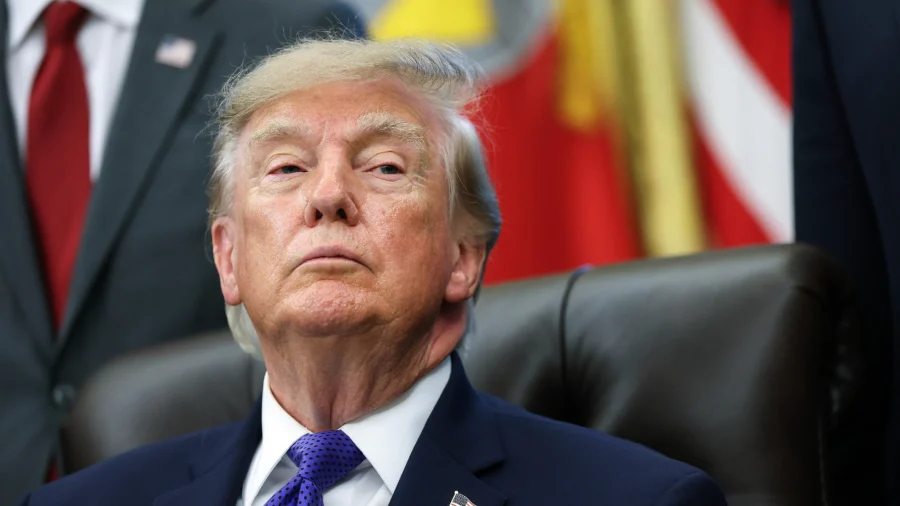
Image via NTD
Trump’s America.gov Push: A Portal Pitch to Make Government Feel Less Like the DMV
President Trump is set to unveil an America.gov portal and meet with tech leaders, according to NTD. The pitch is straightforward: consolidate services, modernize access, and make the federal government easier to navigate for citizens and businesses.
On paper, better digital plumbing can save real money. Any entrepreneur knows the cost of paperwork, delays, and unclear instructions. If a portal can reduce redundant forms, cut processing times, and give small businesses one place to handle registrations, taxes, and compliance tasks, that’s not a gimmick. That’s productivity.
But the risk is just as obvious: centralizing services centralizes data, and federal IT projects have a long history of cost overruns, vendor capture, and security problems. A slick front end doesn’t mean the back end works, and it certainly doesn’t mean your personal information is protected from hostile actors and domestic misuse.
🏛 Wade's Take: I’m all for making government operate like a competent service provider, because time is money and Washington wastes both. But build it like a bank, not like a campaign brochure: tight security, limited data collection, clear accountability, and real audits. If America.gov turns into a surveillance hub or a boondoggle for contractors, shut it down and start over.
📎 NTD
That’s the rundown. Protect your folks from fraud, demand facts before panic, and remember: safety and stability are the first ingredients in any strong local economy. See you tomorrow. — Wade Lawson, The Local Conservative
— Wade Lawson