Sponsored By:
That "Trump Bump" Social Security raise? Already gone. Medicare premiums, gas, groceries — they've swallowed every penny before it hits your account. Meanwhile, your benefits have already lost 13.7% of their purchasing power since 2016, and the system would need to raise checks by 15.7% just to break even. You're getting $81. You needed $296.
Central banks have been quietly buying one specific asset at the fastest pace in 50 years — and JP Morgan now sees it hitting $8,000. Smart retirees aren't waiting on the next COLA. They're protecting what's left right now. Get the free guide and see the 3 steps disciplined retirees are using to outrun the inflation Washington can't stop.
Get the Free Wealth Preservation GuideThis is an advertisement from First Ballot. If you no longer wish to receive First Ballot promotionals, please let us know. Or write to: 5005 Lyndon B. Johnson Fwy. Suite 350, Dallas, TX 75244

A violent snapshot from Europe, a billionaire-sized headline for American kids, and a reminder that power in D.C. is still the hottest commodity on Earth.

Image via Fox News
Paris Protest Chaos Forces the Louvre to Close
Paris ground to a halt as protesters barricaded the Louvre’s glass pyramid and blocked entrances, forcing the world’s most visited museum to shut down. When a city can’t keep tourists safe and basic institutions open, it’s not “activism” anymore. It’s a breakdown in public order, and it ripples straight into jobs, small businesses, and property values.
Tourism is an economic engine, not a side hustle. Hotels, cafés, retail shops, tour operators, transportation, and the whole service workforce depend on stability. Close a landmark like the Louvre, and you don’t just lose ticket revenue for a day. You send a message to every traveler and conference planner: pick somewhere else.
And here’s the part Americans should watch closely: unrest doesn’t stay contained. It hits insurance claims, raises security costs, pressures municipal budgets, and eventually shows up in commercial vacancy and cap rates. Disorder is a tax, and it’s usually paid by working people first.
🏛 Wade's Take: This is what happens when leaders treat law-and-order like an optional feature instead of the foundation of a free society. If you can’t secure a museum that anchors an entire tourism economy, you’re not governing, you’re reacting. Conservatives ought to say it plainly: public safety is pro-worker, pro-business, and pro-community, and no amount of fashionable slogans can replace it.
📎 Fox News
Europe’s Street Coalition: Radicals Find Common Cause in Chaos
A report highlights what it calls a growing coalition of radical groups in France, including communist and Islamist-aligned factions, organizing around riots and weeks of unrest. The branding may differ, but the operating model is the same: destabilize daily life, intimidate institutions, and force political concessions through disruption.
When ideologies that hate each other on paper still coordinate in the streets, that tells you the real glue isn’t policy. It’s power. And the targets aren’t just government buildings. It’s commerce, transit, tourism, and the basic predictability that normal families and small businesses need to plan a week, much less a future.
Europe’s challenge isn’t merely “social tension.” It’s whether leaders will enforce laws evenly, protect citizens who just want to work, and defend the cultural confidence that holds a nation together. Markets can price risk, but they can’t price a civilization that refuses to defend itself.
🏛 Wade's Take: If your political class is too embarrassed to name the radicals and too timid to enforce the law, you’re effectively subsidizing disorder. Investors and business owners should read this as a warning: instability becomes a permanent line item, and it crushes opportunity for the middle class. A serious country doesn’t negotiate with street violence; it prosecutes it.

Image via The Hill
Musk Says Every U.S. Child Will Get a SpaceX Share
Elon Musk says he intends to give one share of SpaceX to every child in the United States next year, calling it the first of many such moves. On its face, it’s a headline-grabber: a private company stake placed into the hands of millions of future Americans tied to one of the most consequential aerospace firms on the planet.
The practical questions come fast. How are shares held for minors, what vehicle manages custody, what are the tax implications, and what happens with valuation for a privately held company? SpaceX isn’t a ticker you can pull up on your phone, so the mechanics matter as much as the announcement.
Still, there’s a bigger theme: capital ownership. For decades, regular families have been pushed away from building assets and toward renting everything in life, from housing to entertainment. If this becomes real and replicable, it’s at least a cultural counterpunch: ownership, not dependency.
🏛 Wade's Take: I like anything that nudges the country toward ownership and away from government-managed “security.” But I’ll believe it when the structure is clear, legally clean, and not a publicity loop. If Musk wants this to be more than a headline, he should make it simple, transparent, and built to last through politics, lawsuits, and the next market cycle.
📎 The Hill
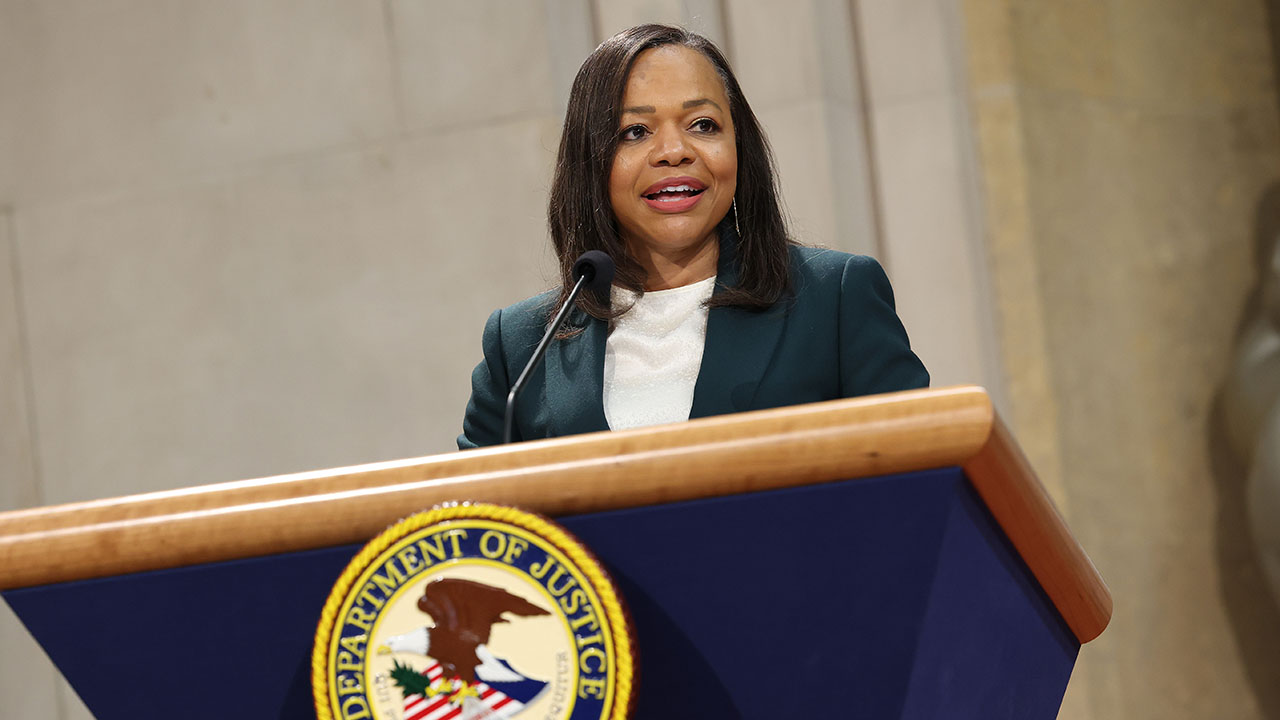
Image via The Daily Signal
Documents Say Activist Groups Helped Shape Biden DOJ Civil Rights Agenda
Newly released documents reportedly show extensive interaction between LGBTQ activist groups and the Biden Justice Department’s Civil Rights Division, with outside groups helping influence priorities and agenda-setting. That may sound like inside-baseball, but it’s not. When enforcement agencies start taking their marching orders from advocacy organizations, the rulebook stops feeling neutral.
For small businesses, nonprofits, schools, landlords, and employers, the stakes are immediate. Civil rights enforcement can change hiring practices, facility policies, compliance costs, and litigation risk in a hurry. If the lines between regulator and activist blur, it becomes harder for everyday Americans to know what the standard is and whether it will be applied fairly.
From an economic standpoint, uncertainty is poison. Businesses can comply with clear rules, even rules they don’t love. What they can’t survive is moving-target enforcement where the loudest lobby gets to rewrite expectations behind closed doors.
🏛 Wade's Take: Government agencies exist to enforce laws passed by elected representatives, not to function as a concierge desk for ideological pressure groups. When the DOJ looks like it’s coordinating with activists, it erodes trust and invites selective enforcement. If Washington wants less division, start with transparency, equal treatment, and getting politics out of law enforcement.
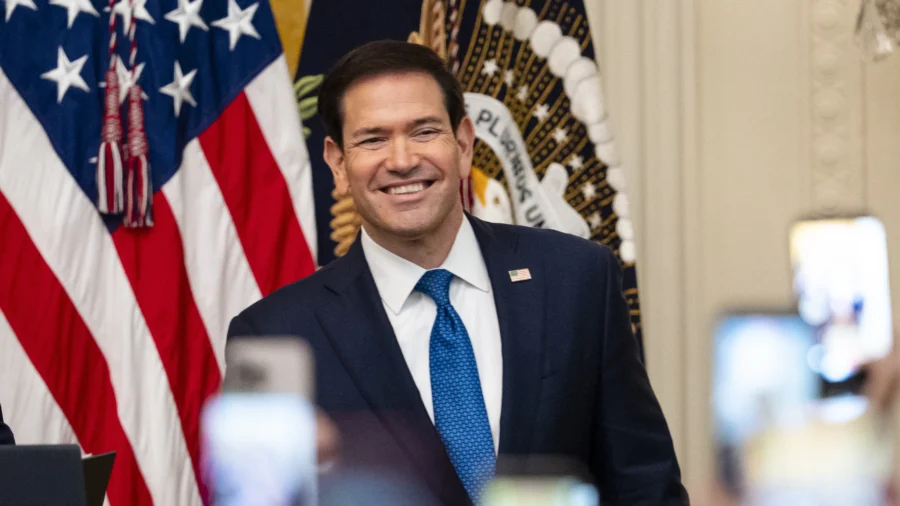
Image via NTD
Rubio Courts Uzbekistan Investment Ties as U.S. Hunts New Economic Partners
Secretary of State Marco Rubio appeared at a U.S.–Uzbekistan Business and Investment Council dinner, underscoring a push to strengthen commercial and strategic ties. Central Asia isn’t a cocktail-party topic, but it sits on real-world routes for energy, minerals, logistics, and influence between major powers.
For American business, these relationships can open doors in infrastructure, agriculture, energy services, manufacturing, and supply-chain diversification. For the U.S. government, the aim is usually twofold: expand markets for American firms and reduce leverage held by adversaries who control chokepoints, capital, or critical resources.
The caution is always execution. Trade and investment diplomacy has to translate into enforceable contracts, honest courts, predictable regulations, and real protections for capital. Otherwise it’s just speeches and photo ops while competitors lock in the deals that matter.
🏛 Wade's Take: I’m all for opening markets and strengthening friends, but the U.S. should approach investment diplomacy like a banker approaches collateral: verify everything. If we’re serious about competing, we need deals that protect American capital, expand exports, and secure supply chains without drifting into nation-building or blank-check foreign policy. Business councils are fine, but results are what count.
📎 NTD
That’s the read for today. Keep your head on a swivel, your balance sheet strong, and your investments positioned for a world that’s getting less stable, not more. Wade Lawson, The Local Conservative
— Wade Lawson