Sponsored By:
Successful investing starts with better research. RushTheStreet cuts through the noise to spotlight companies in AI, small-cap equities, gold & silver exploration, biotech, and high-momentum markets — sectors where timing and insight matter most.
Join a community of informed investors getting free, in-depth research on the opportunities that could matter next. Don't wait for the headlines — get ahead of them.
Get Free Investment ResearchBy clicking the link above, you agree to receive emails from rushthestreet.com. You can opt out at any time. — Privacy Policy

Five stories conservatives can’t ignore today, and what they mean for your business, your investments, and the country we’re handing our kids.
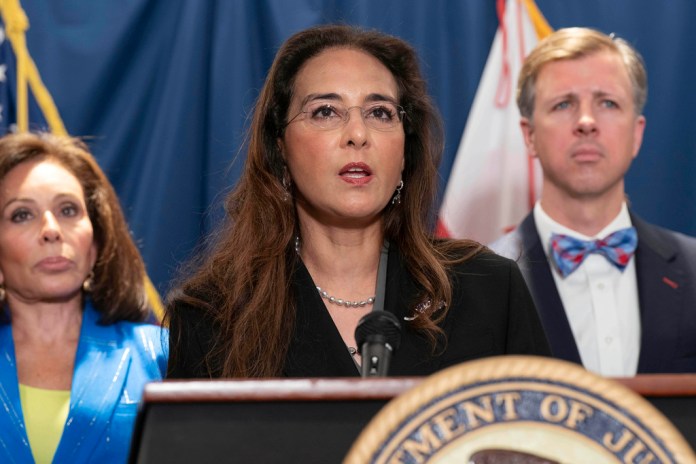
Image via Washington Examiner
DOJ to Deploy 1,000 Poll Monitors for 2026 Midterms: Confidence Builder or Federal Overreach?
The Justice Department says it plans to send roughly 1,000 poll monitors nationwide for the 2026 midterm elections, with the stated mission of observing rather than intervening. On paper, election integrity should be a bipartisan goal. In the real world, the question is who sets the rules, what they’re looking for, and how the presence of federal monitors changes behavior at the precinct level.
If you’ve ever run a business with auditors, inspectors, or regulators walking through the shop, you know the dynamic: even when they claim they’re just watching, everyone adjusts. Poll workers get cautious, voters get uneasy, and local officials start making decisions to avoid headlines rather than to serve the community. And in a country that can’t agree on basic election facts anymore, perception is half the battle.
The market angle is simple: stability matters. A clean, credible election reduces the odds of prolonged legal fights, unrest, and policy whiplash. But credibility cuts both ways. If this rollout looks partisan, clumsy, or inconsistent across states, it may actually deepen distrust and invite more litigation, not less.
🏛 Wade's Take: I’m for transparency, but I’m not for Washington acting like it owns the ballot box. If DOJ monitors are truly neutral, tightly trained, and evenly deployed, fine. If they become political props, it’ll cost the country more than money; it’ll cost confidence, and confidence is what keeps capital, jobs, and communities steady.

Image via National Review
The "Woke One" Era Wasn’t Harmless: It Broke Institutions and Burned Real Money
National Review’s argument is blunt: the cultural and political wave we shorthand as "woke" wasn’t just silly campus talk, and it wasn’t a little detour that everyone can laugh off now. It was an agenda that reached into hiring, training, procurement, speech rules, education, and corporate governance. The damage wasn’t abstract. It showed up as lost talent, fractured workplaces, downgraded standards, and leaders making decisions to satisfy activists instead of customers.
In business terms, it was a misallocation of capital and attention. Companies spent real dollars on compliance theater, internal tribunals, and PR cover, while the basics slipped: productivity, product quality, customer trust. Governments and school systems did the same thing with taxpayer funds, which means they didn’t just waste a quarter’s earnings, they wasted years of a kid’s education and a community’s sense of common purpose.
There’s also a long tail here. Once an institution rewires itself around ideological enforcement, it doesn’t snap back overnight. Rebuilding requires new leadership, new incentives, and usually a few ugly lawsuits. Investors should recognize the pattern: when an organization stops rewarding competence and starts rewarding ideology, performance eventually follows the ideology right off a cliff.
🏛 Wade's Take: Don’t let anybody sell you the story that it was just a phase. It was a hostile takeover of decision-making, and it left a bill that’s still coming due in schools, boardrooms, and government offices. Conservatives should push for standards, transparency, and accountability, because markets reward reality, not slogans.

Image via RedState
Venice Beach Residents Hiring Former Gang Members for Safety Is What Government Failure Looks Like
A report out of California describes Venice residents turning to former gang members for protection and order as homelessness and street disorder worsen under state and city leadership. Whatever you think about the politics out there, this is the practical outcome when public safety collapses: people start building their own parallel systems because the official system stopped delivering.
For property owners and small businesses, this hits right where it hurts. Disorder drives vacancies, pushes insurance costs up, lowers foot traffic, and turns a prime location into a high-risk asset. And once a neighborhood’s reputation flips, it can take a decade of consistent enforcement and cleanup to win back families and retailers. If you own rentals, manage storefronts, or underwrite deals, you know the difference between a bad year and a structural decline.
The broader economic consequence is that high-tax, high-regulation cities lose their tax base when productive people and businesses leave. Then the services get worse, the costs go up again, and the cycle repeats. It’s not compassionate to tolerate a street economy of addiction and crime. It’s just neglect dressed up as virtue.
🏛 Wade's Take: When residents are hiring their own muscle, you’re looking at a government that has broken its first promise: basic order. California’s leadership can talk programs all day, but without enforcement and sobriety-first accountability, they’re just subsidizing decay. If you’re investing in coastal real estate, price in the politics, because the politics are now part of the cap rate.
📎 RedState

Image via American Thinker
Calls for Iran’s Total Defeat: Big Talk, Bigger Stakes for Energy and Markets
An American Thinker piece argues this is the moment to pursue Iran’s total defeat, framing it as a decisive opportunity in a long-running conflict. That kind of language signals a willingness to move beyond containment or limited strikes toward a strategy that aims to break the regime’s capacity to threaten neighbors, disrupt shipping lanes, and fund proxy groups.
For investors and business owners, the immediate question isn’t ideology, it’s exposure. The Persian Gulf and surrounding routes are energy chokepoints, and any escalation can spike oil, hit transport costs, and ripple into inflation. If you’re running a fleet, buying materials, or managing properties with tight operating margins, you feel that volatility quickly.
But there’s also a strategic economic argument on the other side: prolonged ambiguity is expensive. When adversaries can harass shipping, menace allies, and bankroll chaos without paying a meaningful price, markets bake in a permanent risk premium. That’s not just a foreign policy problem; it’s a tax on every American who buys fuel, groceries, or anything shipped across an ocean.
🏛 Wade's Take: I’m not eager to send America into another open-ended mess, but I’m also done with the pretend game where bad actors get endless chances and the bill lands on our families. If the goal is decisive, it has to be truly decisive, with clear objectives, allied burden-sharing, and a plan that doesn’t turn into a decade-long nation-building project. Weakness is expensive, but so is sloppy strength.
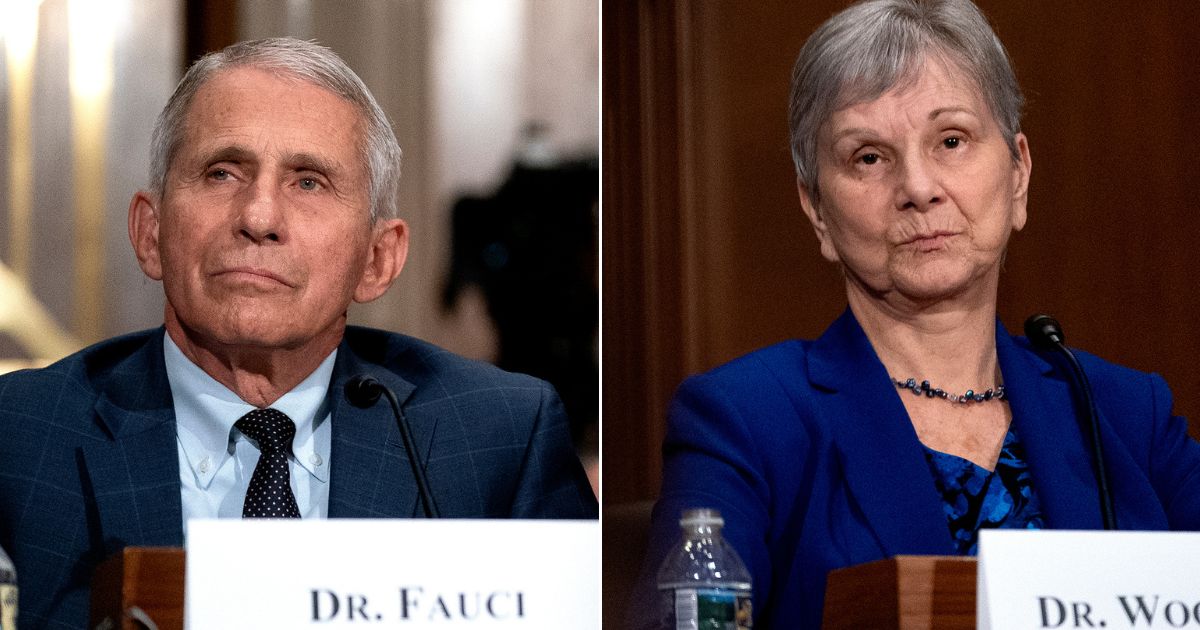
Image via Western Journal
New COVID Emails: FDA Warning on Vax Side Effects and Fauci’s Chilling Reply Raise Accountability Questions
A newly reported email exchange suggests a former FDA leader warned Dr. Anthony Fauci in 2021 about potential vaccine side effects, followed by a brief, ominous four-word response attributed to Fauci. The larger point isn’t internet drama. It’s that internal communications from the pandemic era keep surfacing and they keep pointing to the same problem: public messaging often ran ahead of the evidence, and dissent inside the system was treated like a threat instead of a safeguard.
When government health agencies act like political shops, trust collapses. And once trust collapses, compliance gets harder the next time a real emergency hits. That’s not theoretical. It affects workforce stability, school closures, consumer confidence, and the overall risk environment businesses operate in.
There’s also a financial angle that gets overlooked: pandemic-era policy reshaped markets, winners and losers, and the cost of capital. If the public comes to believe that key decisions were made with incomplete disclosure, it invites lawsuits, regulatory backlash, and long-term reputational damage across public health institutions. That uncertainty is a drag on the country’s ability to respond quickly and honestly when the next crisis arrives.
🏛 Wade's Take: I’m not interested in relitigating every pandemic argument at the dinner table, but I am interested in accountability from powerful people who made sweeping claims with national consequences. If internal warnings existed, the public deserved straight answers, not slogans. Trust is like credit: you can build it slowly, but you can blow it up fast, and we’re still paying the interest.
Wade Lawson, The Local Conservative. Keep your head on a swivel, your balance sheet clean, and your politics grounded in reality, because reality is what markets enforce.
— Wade Lawson