Sponsored By:
A little-known force is now controlling the S&P's price action — and most traders have no idea it exists. A former VP of a trillion-dollar firm has spent years cracking it, and the results speak for themselves: a 79.4% win rate with same-day returns like 176% and 75.4% — up or down market, it doesn't matter.
This isn't mainstream. It won't be on CNBC. But right now, you can get the full breakdown — including how to use this force to target double- and triple-digit moves today. Don't sit this one out.
Get the Free Breakdown NowWe develop tools and strategies to the best of our ability, but we can't guarantee the future. In LIVE trading alerts in real time from 08/23/24 to 3/28/26, the strategy is 54-14, with an overall win rate of 79.4% and an average return (winners and losers included) of 59.3%, with an average winner of 86.8% over a 1-day hold time. Trade at your own risk. By clicking the link above you agree to periodic updates from The TradingPub and its partners. Privacy Policy.

From Iran oil talk to London defense drama to LA homelessness dollars, today’s headlines all point to the same question: who’s serious about power, and who’s just spending other people’s money?
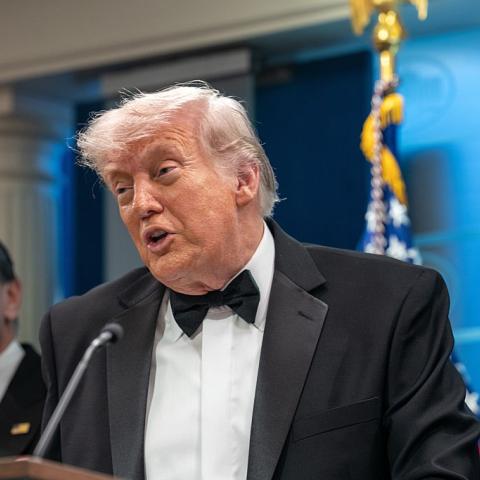
Image via Just the News
Trump Talks “Very Hard” Iran Move — And Says America Would Control Their Oil Market
Former President Trump said the U.S. would hit Iran “very hard” and described a strategy aimed at taking control of Iran’s oil markets — specifically mentioning Kharg Island, the critical export hub that makes Iran’s crude flow. In plain terms, that’s not just a military threat; it’s an energy choke point, the kind that can change prices, shipping insurance, and risk premiums overnight.
He framed it like a play the U.S. ran elsewhere, saying America could take over Iran’s oil and gas markets in a similar way to Venezuela. Whether you agree with the idea or not, the implication is clear: this isn’t about a symbolic strike — it’s about controlling cash flow, and oil is Iran’s cash register.
If Washington even starts walking toward this kind of posture, you’ll see it in Brent crude first, then in inflation expectations, then in bond yields. And when yields move, cap rates move. That’s the chain small business owners and property folks need to watch, because “foreign policy” becomes your line-item costs fast: fuel, freight, materials, and ultimately rent affordability.
🏛 Wade's Take: I’ve negotiated enough deals to know leverage matters, and oil leverage is real leverage. But if you’re going to talk about “controlling” oil markets, you’d better have the stomach for the second- and third-order effects here at home — especially inflation and higher-for-longer rates. Conservatives should demand strength abroad, yes, but also a plan that protects working families and small businesses from the price shock that comes with it.
Farage on Belfast Violence: The “Beheader” Never Should’ve Been There — And Regular Folks Are Fed Up
Reform UK leader Nigel Farage weighed in on unrest in Belfast, arguing that a suspect described as a “beheader” should not have been in the country in the first place. He condemned “bad actors” causing trouble, but emphasized that most protesters have rational concerns — and that many ordinary people are fearful and want action on migrant crime.
This is the political pressure point governments keep trying to manage with slogans instead of enforcement. When citizens feel like rules aren’t being applied equally — border rules, criminal rules, deportation rules — trust dissolves. And when trust dissolves, you don’t just get a politics problem; you get a public order problem.
There’s also an economic angle the media likes to skip: insecurity changes everything. It changes retail foot traffic, raises security costs, alters where families are willing to live, and pushes insurance premiums up. Cities don’t decline all at once — they get hollowed out one risk premium at a time.
🏛 Wade's Take: If a government can’t control who enters the country and can’t remove criminals quickly, it’s not governing — it’s managing decline. People aren’t “extreme” for wanting safe streets and a border that means something. The real extremism is expecting taxpayers to fund the consequences forever while leaders call it compassion.
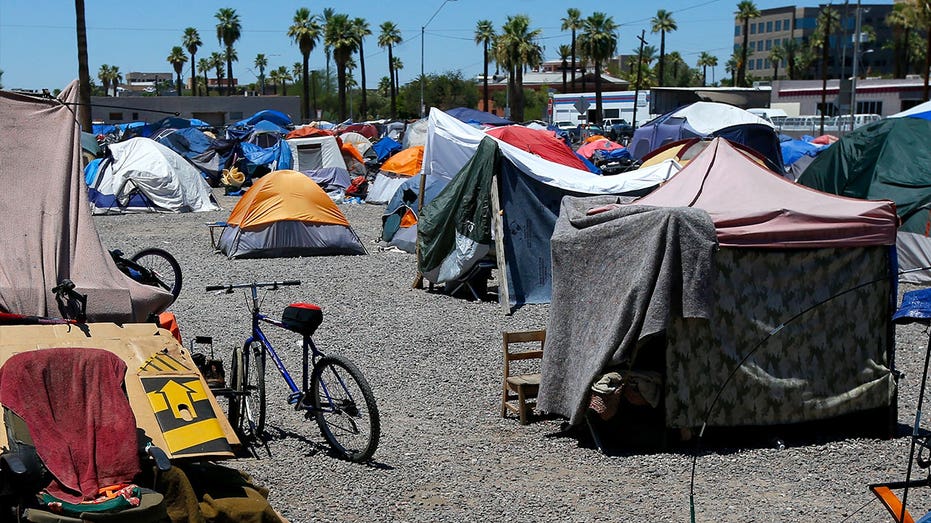
Image via Fox News
Trump Admin Freezes LA Homeless Funding Amid Fraud Probe — Finally, Someone Checks the Receipts
The Trump administration suspended federal funding for Los Angeles’s primary homelessness support agency, citing fraud allegations and “wanton mismanagement” of taxpayer dollars. The move comes amid an explosive investigation that, if the claims hold, reads like the same story we’ve seen in too many blue-city programs: lots of money out the door, not much improvement on the street.
LA has been a national case study in how government can spend billions and still watch encampments grow. When oversight is weak, the incentives reward paperwork and “stakeholders,” not outcomes. Meanwhile, small businesses deal with broken windows, employee safety concerns, and customers staying home.
This matters beyond California. Every time Washington wires money to a local machine that can’t pass an audit, it feeds public cynicism and it crowds out the projects that actually help people — like addiction treatment that works, mental health beds, and enforcement against open-air drug markets. And yes, it affects property values and the tax base, which is what pays for everything else.
🏛 Wade's Take: I’m all for helping people down on their luck, but I’m not for blank checks to bureaucracies that can’t account for the money. If you can’t track dollars, you can’t claim results — and taxpayers shouldn’t be forced to bankroll failure as a lifestyle. Freeze it, audit it, prosecute fraud, and rebuild programs around measurable outcomes.
📎 Fox News

Image via The Hill
O’Reilly Calls Iran Talks a “Farce” as Strikes Resume — Investors Should Treat It Like a Risk Event
Bill O’Reilly dismissed ongoing U.S.-Iran negotiations as a “farce,” arguing that “everybody knows it” while the two sides resumed strikes this week. His point is that the public-facing diplomacy doesn’t match the hard reality on the ground — and that the “talks” function more like theater than resolution.
Whether you like O’Reilly or not, the market lesson is simple: don’t price headlines, price incentives. Iran wants sanctions relief and regional leverage; the U.S. wants restraint without looking weak; everybody wants to avoid a full-scale war while still landing punches. That’s not a recipe for clarity.
When clarity is missing, the cost of capital rises. Energy volatility bleeds into CPI prints, the Fed’s reaction function, and then into mortgages, construction loans, and the refinancing wall a lot of property owners are staring at. International conflict isn’t just “over there” — it shows up in your interest rate and your grocery bill.
🏛 Wade's Take: If negotiations are just a stalling tactic, then leaders should stop pretending a press conference is progress. Conservatives should push for realism: deterrence that’s credible, alliances that pull their weight, and domestic energy policy that reduces our vulnerability. The best way to negotiate is from strength, and strength starts with not kneecapping your own production.
📎 The Hill
Image via Associated Press
UK Defense Chief Quits Over Spending — Europe Still Wants Protection at a Discount
Britain’s defense secretary resigned, saying the government isn’t willing to spend enough on the military. The departure spotlights a growing problem across Europe: leaders talk tough about threats, but balk when it’s time to write checks for readiness, equipment, and manpower.
Defense is not a feelings-based business. You either have stockpiles, training cycles, shipyards, and procurement discipline — or you don’t. And when you don’t, you rely on allies to cover the gap, which usually means relying on the United States.
For American taxpayers, this matters. When Europe underinvests, Washington gets pressured to spend more, send more, and guarantee more. That’s real money — and in a high-debt, higher-rate environment, “more” isn’t free. It competes with everything else: border security, infrastructure, disaster response, and lowering the tax burden that actually grows the economy.
🏛 Wade's Take: I’m tired of watching allies treat defense like a subscription service America pays for. If the threat is real, the spending should be real — and if they won’t fund their own security, they shouldn’t be dictating terms to the country that does. In business, the partner who won’t contribute doesn’t get to run the deal.
That’s the roundup for Thursday. Keep your eyes on oil, yields, and where government money is getting shoveled without oversight — that’s where tomorrow’s “surprises” usually come from. — Wade Lawson, The Local Conservative
— Wade Lawson