Sponsored By:
History shows a clear pattern: the investors who recognized the exact inflection point in the dot-com boom pocketed 400–800% gains in 18 months. Those who spotted the same moment in cloud computing saw 300–600% returns. Based on 50 years of market data, that same moment is happening right now — and the acceleration phase has already begun.
This free 7-page report reveals where we are in the current megatrend cycle, why the next 18 months are critical, and how to position yourself before the window closes. Don't be the investor who enters too late.
Get the Free ReportBy clicking 'Get the Free Report' you are automatically subscribing to Darwin Investor Network and will receive a free subscription to the Chaikin PowerFeed newsletter. Unsubscribing is easy. Privacy Policy

Five stories today, one theme: policy either rewards work and responsibility, or it subsidizes freeloading and chaos. Here’s what it means for small business owners, investors, and the country we’re trying to hand to our kids.
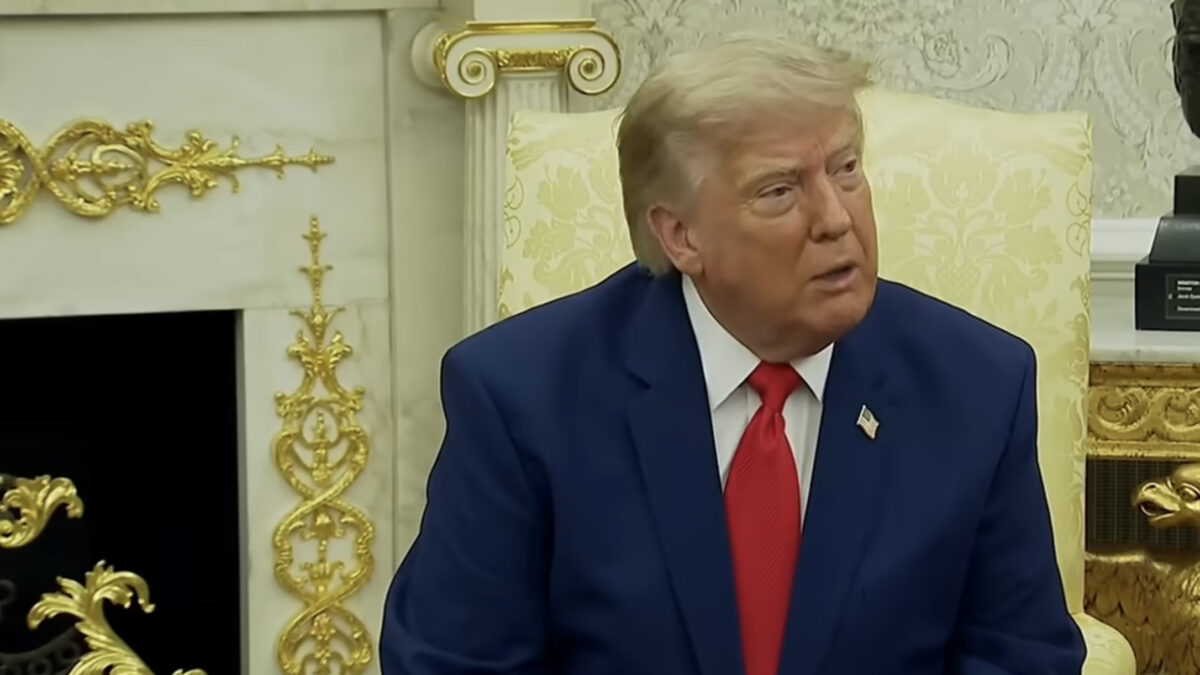
Image via The Federalist
Reshoring Isn’t a Slogan Anymore — It’s a Balance Sheet Decision
After years of hearing that America "can’t" build things anymore, manufacturers are reshoring because the math has changed. Between tax treatment, permitting posture, and a clearer signal that Washington won’t punish capital investment as a political hobby, companies are putting dollars into plants, equipment, and domestic supply chains.
The Federalist argues the "Big Beautiful Bill" helped provide the foundation and certainty manufacturers need to commit to long-cycle projects. That’s the key word: certainty. When you’re planning a facility that takes years to build and decades to pay back, you don’t gamble on a policy regime that can swing wildly with every election.
For local economies, reshoring is more than ribbon cuttings. It’s jobs that support home values, new demand for industrial space, more trucking and logistics, and a healthier base for small vendors and service businesses that orbit manufacturing hubs.
🏛 Wade's Take: I’ve negotiated enough leases to know confidence is the real stimulus. If Washington wants more reshoring, keep the rules stable, keep energy reliable, and keep taxes predictable so CFOs can underwrite projects without guessing what the next headline will do to their ROI. This is how you rebuild the middle of the country: make it profitable to build, hire, and expand right here at home.
Image via TheBlaze
America-First AI Needs a Destination — Not Just Noise
The Blaze frames the AI debate as a hot mess, and that’s being polite. We’ve got policymakers chasing sound bites, technologists chasing capabilities, investors chasing the next platform shift, and activists chasing control. Meanwhile, the public hears "AI" and gets a mix of sci-fi fear and job-loss dread, with very little clarity about what winning even looks like.
An America-first approach starts with priorities: security, competitiveness, and prosperity. That means building domestic compute and energy capacity, protecting data and critical infrastructure, and keeping our best talent from being regulated into moving overseas. It also means resisting the temptation to turn AI into another centralized permission slip economy where only the biggest incumbents can comply.
Investors are watching this like hawks because AI isn’t a single sector, it’s an enabling layer across everything: defense, healthcare, finance, real estate operations, logistics, and manufacturing. Policy confusion doesn’t stop progress; it just pushes it into the hands of whoever has the least friction and the most government leverage.
🏛 Wade's Take: If we want America-first AI, we need two things at the same time: room to innovate and hard lines on national security. Don’t strangle startups with compliance theater, and don’t outsource the backbone of compute, chips, and power to countries that don’t share our interests. The winning strategy is simple: build here, power it here, defend it here.
📎 TheBlaze

Image via Washington Examiner
Germany’s Healthcare Savings Plan: Invoice the American Taxpayer
The Washington Examiner spotlights a truth both parties have dodged for too long: many foreign governments keep their drug prices low by squeezing the very companies that fund medical innovation, and the shortfall gets made up in the U.S. market. Germany, under tighter price controls, can claim it’s protecting its citizens while effectively free-riding on American R and D.
When another country sets prices by political decree, it doesn’t erase the cost of developing new treatments. It just shifts the burden to the places that still allow market-based returns. That means American patients and employers pay more, and U.S. insurers absorb the hit, which then shows up in premiums, wages, and the cost structure of every business that offers healthcare.
For small business owners, this is not an abstract policy fight. Premium increases land right on the P and L statement. It’s one more reason hiring gets delayed, raises get trimmed, and expansion plans get shelved.
🏛 Wade's Take: I’m fine with helping allies, but I’m not fine with subsidizing their politics. If Germany wants American innovation, it ought to pay a fair share for it, not hide behind price controls and let U.S. families eat the bill through higher premiums and taxes. Washington should negotiate like it negotiates trade: access comes with reciprocity, period.
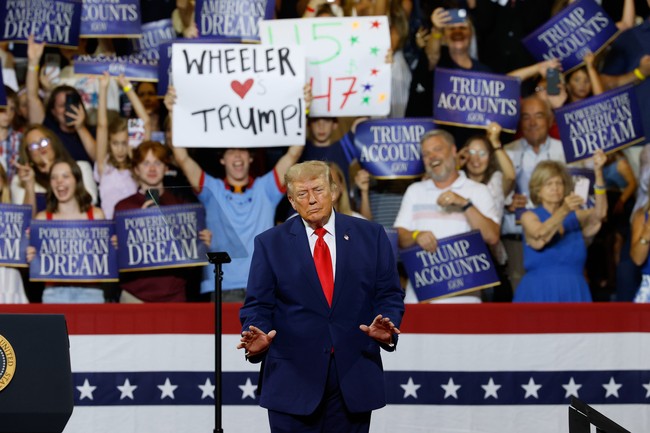
Image via RedState
Voter ID Isn’t “Suppression” — Even Democrat Voters Know That Now
RedState points to polling and political reality catching up with the talking points: voter ID requirements have broad support, including among Democrat voters. The "suppression" label has been used as a bludgeon for years, but the public understands a basic principle: you prove who you are for far less important things than choosing the people who run the country.
This shift matters because election rules shape trust, and trust is the operating system of a stable economy. When half the country doubts outcomes, everything gets more volatile: markets, regulation, investment timelines, and even where families decide to move or businesses decide to plant roots.
A clean process isn’t partisan; it’s legitimacy. And legitimacy is what keeps political disputes from turning into the kind of institutional rot that drives capital away and pushes communities into permanent conflict.
🏛 Wade's Take: If you need an ID to board a plane or cash a check, you can handle showing one to vote. The real question is why some politicians fight commonsense guardrails so hard, even when their own voters aren’t buying the script anymore. Secure elections are pro-citizen, pro-stability, and pro-growth.
📎 RedState
Colby on Iran: Less Romance, More Cold Math
The American Conservative looks at Elbridge Colby’s views on Iran and finds little comfort for war skeptics. Colby’s school is focused on hard priorities, credible deterrence, and making sure U.S. commitments line up with U.S. capabilities. That lens tends to produce fewer moral speeches and more talk about leverage, force posture, and what conflicts do to readiness.
The tension is obvious: Americans are tired of endless entanglements, but they’re also tired of watching adversaries test us while Washington argues with itself. Iran sits in the middle of energy markets, regional security, and broader great-power competition, which means even limited moves can ripple into inflation, shipping risk, and market volatility.
For investors and business owners, Middle East escalation is never just "foreign policy." It shows up in fuel costs, insurance, supply chains, and consumer confidence. And when those spike, Main Street feels it before the think tanks finish their panels.
🏛 Wade's Take: I don’t want another forever war, but I also don’t want a foreign policy built on wishful thinking. Deterrence has to be real, and real deterrence costs money, planning, and political backbone. The best outcome is strength that prevents conflict, because once shots are fired, the bill lands on our economy and our sons.
That’s the roundup. Keep your eyes on incentives, not slogans — that’s where the truth is, and that’s where the money moves. See you next issue. Wade Lawson | The Local Conservative
— Wade Lawson