Sponsored By:
Oil markets are shifting as Venezuela's disruption removes critical barrels while spare capacity shrinks. Supply pressure is building before headlines catch up — and smart traders are positioning now.
Our exclusive briefing reveals three energy stocks emerging from this supply shock, plus the key signals to monitor as this setup evolves. This is about preparation, not prediction.
Get the Free Oil Trading ReportBy following the links above, you're opting in to receive valuable updates from Wealthiest Investor News plus 2 bonus subscriptions. Your privacy is important to us. You can unsubscribe anytime. See our privacy policy for details.

From the Supreme Court to South America to the Black Sea, today’s headlines all point to the same question: who gets protected, who gets paid, and who’s left holding the bag.
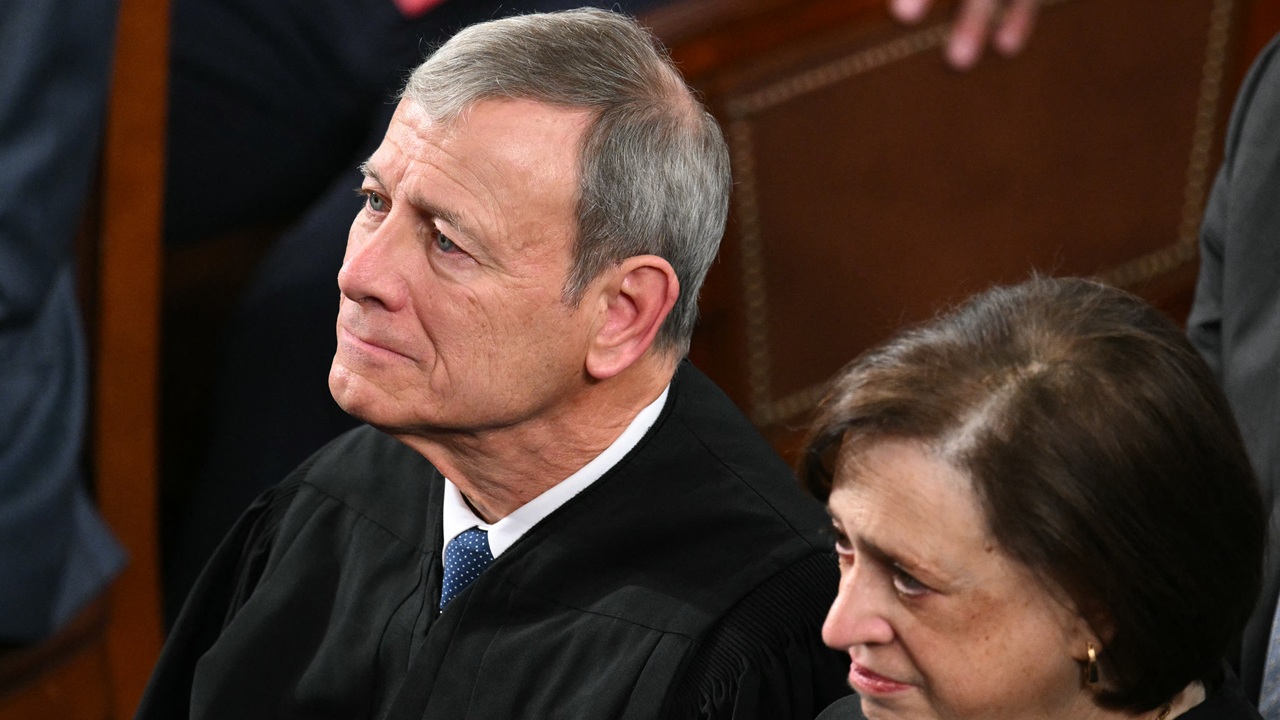
Image via The Daily Signal
Supreme Court Doubles Down on Birthright Citizenship — And States Will Pay the Bill
In Trump v. Barbara, the Supreme Court ruled that the 14th Amendment’s citizenship clause guarantees U.S. citizenship to children born on American soil, including children of illegal aliens and tourists. Chief Justice John Roberts wrote for the majority, effectively shutting the door—at least for now—on attempts to narrow birthright citizenship through executive action or state-level workarounds.
This decision doesn’t just live in a civics textbook. It lands in school districts, county hospitals, housing markets, and state budgets. When citizenship becomes automatic regardless of lawful status, it changes the incentive structure at the border and at the airport, and it shifts long-term costs onto local taxpayers who don’t get to vote on the policy.
Expect the next fight to move from the courts to Congress and to the enforcement side: verification, visa overstays, and the real question nobody wants to answer out loud—whether the federal government is going to reimburse states that are effectively running the nation’s safety net.
🏛 Wade's Take: I respect the Court, but we’re kidding ourselves if we pretend this is just about constitutional text and not about incentives. If Washington wants a policy that increases long-run obligations for education, healthcare, and housing, then Washington ought to carry the financial weight—not dump it on counties trying to keep property taxes from exploding. The market can’t price risk when the rulebook keeps rewarding lawbreaking and penalizing lawful communities.

Image via The Hill
Venezuela’s Regime Turns Earthquakes Into a Power Grab
Venezuela’s ruling apparatus is using recent earthquakes as an opportunity to tighten control rather than deliver relief. Reports describe Chavista-aligned military forces showing up not primarily with rescue equipment, but with weapons—controlling access, restricting movement, and politicizing aid in the middle of a humanitarian crisis.
That’s the authoritarian playbook in plain sight: take a disaster, centralize authority, punish rivals, and force citizens to depend on the state for survival. When relief becomes conditional—who you support, who you know, whether you comply—democracy doesn’t just weaken; it gets buried under rubble and bureaucracy.
For the U.S., this isn’t a distant tragedy with no economic consequence. Instability in Venezuela affects migration flows, energy politics, and regional security, and it creates openings for hostile actors to buy influence on the cheap while ordinary Venezuelans pay the price.
🏛 Wade's Take: Socialism always ends the same way: shortages, fear, and men with guns deciding who gets bread and bandages. Conservatives should stop treating Venezuela like an abstract cautionary tale and start treating it like a real-world case study in what happens when the state owns everything and answers to nobody. If you want fewer border crises and more stability in the hemisphere, you don’t appease thugs—you isolate them and support civil society relentlessly.
📎 The Hill
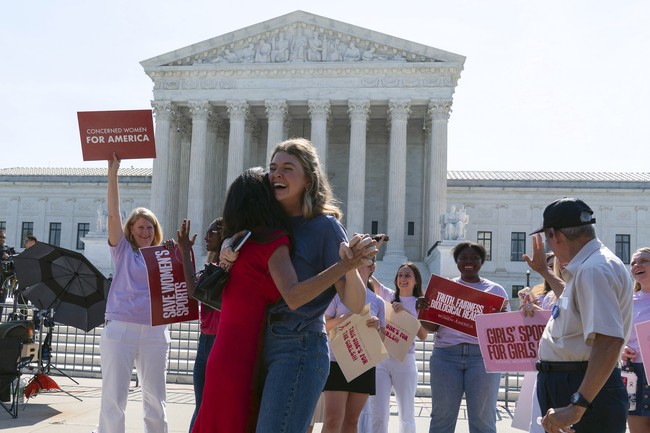
Image via RedState
The Court’s Women’s Sports Ruling Will Hit Closer to Home Than Any Citizenship Debate
While the country argues about birthright citizenship, the Supreme Court’s ruling on women’s sports may prove more culturally and economically consequential over the long haul. The decision draws a clear line on keeping male athletes out of girls’ and women’s athletic competition—affirming that sex-based categories in sports exist for fairness and safety, not political fashion.
This is bigger than a scoreboard. It affects scholarships, Title IX compliance, school liability, and the basic trust parents place in public institutions. When families believe the rules are rigged or the adults won’t protect girls, they vote with their feet—into private schools, homeschools, and different communities—changing enrollment, funding, and even property values in district-heavy neighborhoods.
Businesses also feel it. Youth sports are an economy: facilities, tournaments, insurance, sponsorships, and local travel spending. Clear rules reduce lawsuits and confusion and keep that ecosystem healthier.
🏛 Wade's Take: This is one of those rare moments where common sense gets a win in black-and-white ink. A society that can’t define women can’t protect them, and the market eventually punishes institutions that abandon reality. If your school board or state athletic association still wants to play games with this after the Court speaks, it’s time for voters and donors to get serious.
📎 RedState

Image via National Review
Romania and Moldova Reunification: A Clean Fix for a Dirty Soviet Border
A growing argument in foreign policy circles says the West should support reunification between Romania and Moldova—two countries separated by Soviet-era borders and decades of engineered division. The case rests on history, language, culture, and the strategic logic of reinforcing Europe’s eastern flank against Russian influence.
Moldova sits in a pressure zone where energy dependence, corruption networks, and frozen conflicts can be weaponized fast. Reunification with Romania would tie Moldova more directly to European institutions, legal standards, and security partnerships—reducing Moscow’s room to operate and giving ordinary Moldovans a clearer path to stability.
For Americans, it’s easy to ignore a map you don’t drive across. But security outcomes in Eastern Europe ripple into energy markets, defense spending, and global risk appetite. When Europe is unstable, capital gets jittery, commodity prices jump, and the U.S. ends up paying more—either at the pump, in the markets, or through NATO commitments.
🏛 Wade's Take: Borders drawn by Stalin never produced peace—just delayed conflict and institutional rot. If reunification strengthens the rule of law and blocks Russia’s shadow operations, it’s a strategic bargain compared to the cost of cleaning up another European crisis later. The conservative principle here is simple: strong nations with coherent identity and secure borders are harder for tyrants to manipulate.
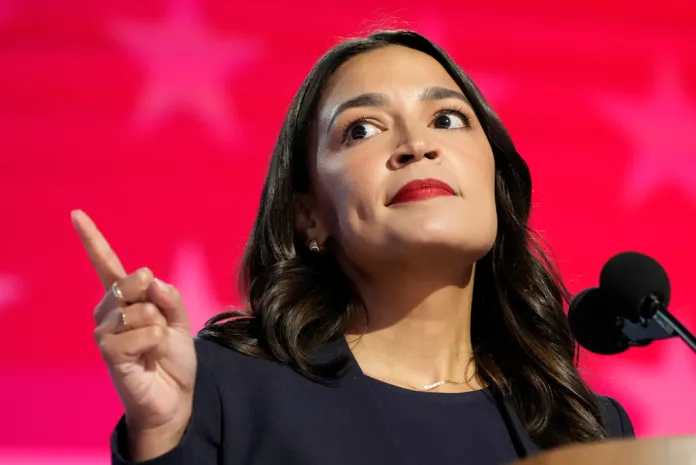
Image via Washington Examiner
"President AOC" Isn’t a Joke — It’s a Risk Scenario Investors Should Price In
A Washington Examiner piece warns that the Democratic Socialists of America aren’t content running big-city governments—they’re building a pipeline aimed at national power, with Alexandria Ocasio-Cortez often floated as the face of the movement. The argument isn’t that her presidency is inevitable, but that the country should take the socialist project seriously and build political and institutional resistance now.
If you’ve watched New York or Seattle closely, you’ve already seen the policy pattern: heavier regulation, higher taxes, hostility to policing, and a casual attitude toward the business climate. The downstream effects aren’t theoretical. Companies relocate, commercial vacancies rise, insurers re-price risk, and the middle class gets squeezed between rising costs and falling services.
Nationalize that approach and markets will respond quickly: capital investment slows, compliance costs rise, energy prices get jerked around, and small businesses—especially those without lobbying power—get crushed under paperwork and payroll pressure. The wealthy find loopholes; the working owner-operator eats the policy.
🏛 Wade's Take: I don’t fear slogans—I fear bad math wrapped in moral posturing, because it sells until the bills come due. The way you contain socialism is local power, strong state leadership, and an economy that makes it easier to start and keep a business than it is to live off government promises. If Republicans want to win, they’d better talk like grown-ups about prices, safety, and opportunity—and stop outsourcing their message to cable news outrage.
That’s today’s field report. Protect your balance sheet, vote like your property taxes depend on it (because they do), and don’t let Washington make permanent promises with somebody else’s paycheck — Wade Lawson, The Local Conservative
— Wade Lawson