Sponsored By:
While markets narrow their focus, AI continues attracting massive capital investment with real-world deployment and measurable results. Corporate earnings calls show AI spending expanding even as other sectors lose momentum — creating selective opportunities for investors paying attention.
Our focused research brief reveals two AI-focused companies trading under $15 that are positioned for the next phase of growth, plus key developments that could influence these stocks in the months ahead.
Get the Free AI Stocks ReportBy following the link above, you're choosing to opt in to receive insightful updates from Investing Ideas Daily + 2 free bonus subscriptions! Your privacy is important to us. You can unsubscribe anytime. See our privacy policy for details.

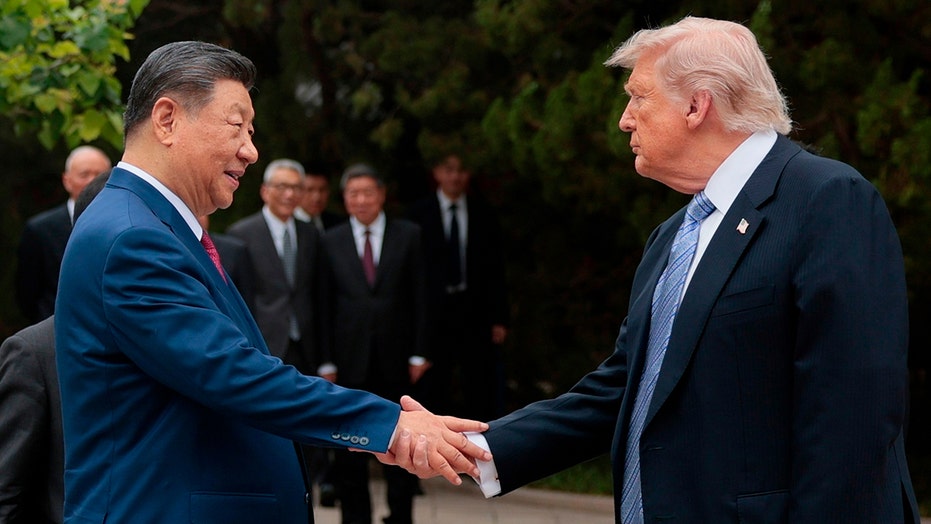
Image via Fox News
Trump Leaves China Talking Trade, Iran — and Leverage
President Trump wrapped up his China trip claiming progress on trade and a working understanding with Xi Jinping on Iran and other hot-button geopolitical issues. The headline message coming out of the visit is familiar: Trump’s trying to run foreign policy like a negotiating table—pressure, incentives, and a clear sense of what America gets in return.
On the economic side, any serious trade framework with China has ripple effects across the real economy: ports, trucking, industrial parks, manufacturing leases, commodity inputs, and consumer prices. Markets don’t need perfection; they need predictability. If this trip produces even a modest reduction in tariff whiplash and supply-chain gamesmanship, you’ll see it show up first in margins—then in hiring and capex.
🏛 Wade's Take: If Trump can extract better market access and real enforcement while keeping China boxed in on Iran, that’s a two-for-one win. But I don’t buy “handshake diplomacy” unless it’s backed by teeth—penalties, timelines, and verification. Trade deals aren’t press releases; they’re performance contracts.
📎 Fox News
Trump Torches Texas Dem Over “Six Genders” — Culture Politics Meets Voter Math
Trump took aim at Texas Democrat Senate candidate James Talarico, mocking his past promotion of veganism and his alignment with gender ideology, calling it “weird” and out of step with normal Texans. The exchange is classic Trump: turn cultural elites into a punchline and force Democrats to defend positions most working families don’t live by.
This isn’t just campaign theater—it’s coalition strategy. Democrats keep handing Republicans a gift by elevating boutique ideological issues over jobs, border security, and cost of living. In a state like Texas, where energy, manufacturing, logistics, and small business actually drive household paychecks, candidates who sound like campus activists tend to get priced out at the ballot box.
🏛 Wade's Take: You can roll your eyes at the rhetoric, but it works because Democrats keep making “normal life” feel negotiable. Voters who are getting crushed by insurance, groceries, and mortgage rates don’t want a lecture—they want competent governance. If you’re running statewide in Texas and leading with identity trends and lifestyle purity tests, you’re campaigning in the wrong zip code.

Image via RedState
CIA Director in Cuba: When “Quiet Trips” Aren’t Quiet
A report spotlighted the CIA Director’s activity in Cuba, raising obvious questions about what the administration is trying to accomplish—or contain—ninety miles from Florida. Cuba is not some museum piece of the Cold War; it’s an intelligence chessboard with Russian and Chinese interest, criminal networks, migration pressure, and potential leverage points that can boomerang onto U.S. soil.
Even rumors of elevated intelligence engagement matter because they shape markets and policy: sanctions, travel and remittance rules, maritime security, and regional stability. Florida real estate, shipping, tourism, and insurance markets all react to geopolitical risk in ways coastal elites pretend doesn’t exist.
🏛 Wade's Take: If the CIA Director is in Cuba, it’s not for sightseeing—it’s because something moved. Conservatives should demand clarity: are we tightening pressure on a hostile regime, or quietly trading concessions for “stability”? Every time Washington plays cute with Cuba, somebody makes money and regular Americans inherit the risk.
📎 RedState
AOC and Foreign Policy: Loud Signals, Thin Substance
The American Conservative took on Rep. Alexandria Ocasio-Cortez’s posture on war and peace, arguing she’s not serious about building durable coalitions that can actually restrain interventionism. The critique is less about ideology and more about maturity: if you want to stop wars, you have to persuade people who don’t already agree with you—and you have to show you understand tradeoffs, deterrence, and consequences.
America’s foreign policy debates aren’t academic. War and instability hit energy prices, shipping costs, interest rates, and the federal budget—meaning they hit rent, payroll, and investment returns. That’s why a real “antiwar” posture requires discipline, not social-media theatrics.
🏛 Wade's Take: I’m all for fewer forever wars, but you don’t get there with slogans and purity tests. If AOC can’t build bipartisan muscle, she’s just providing content—not leadership. The country needs grown-ups who can reduce conflict without advertising weakness to our enemies.
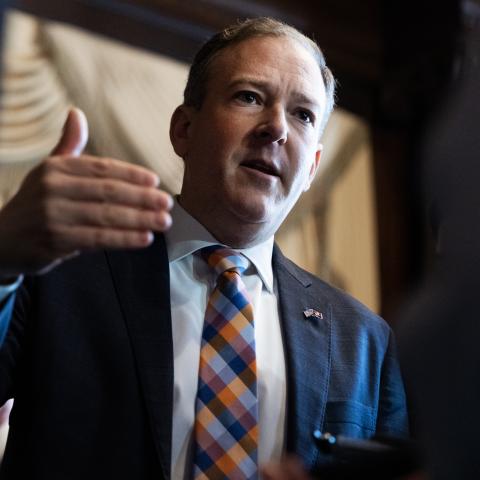
Image via Just the News
EPA Moves to Loosen Coal Wastewater Rules as AI Power Demand Explodes
The EPA is looking at easing certain coal wastewater regulations, arguing it could lower electricity costs—potentially by up to $1.1 billion annually—while still protecting water resources. The policy backdrop is straightforward: electricity demand is climbing fast, driven in part by AI data centers, industrial reshoring, and a grid that’s been asked to do more with less reliable baseload power.
For the real economy, power costs are rent costs. They flow through manufacturing competitiveness, warehouse operating expenses, and every small business P&L that has to keep the lights on. When regulators treat energy like a luxury product, you get higher inflation, weaker growth, and a country that can’t build.
🏛 Wade's Take: If the EPA can cut compliance costs without poisoning waterways, do it—because families and small businesses are paying the bill for ideological energy policy. AI doesn’t run on press conferences; it runs on megawatts. And if we don’t expand reliable generation fast, America’s “future economy” is going to be powered by higher prices and foreign dependence.
I’ll keep reading the fine print—because that’s where they hide the costs.
— Wade Lawson