Sponsored By:
Policy is already moving markets in 2026 — trade enforcement, regulatory shifts, and tax positioning are redirecting capital right now. Institutions reposition before the headlines catch up, and the window to act early is closing fast.
Our analysts identified 5 stocks showing real momentum tied directly to current administration policy themes — including the sectors benefiting most from domestic investment trends and regulatory tailwinds. Don't get left behind.
Get the Free Report Now(By following any of the links above, you're choosing to opt in to receive insightful updates from The Investment News Daily + 2 free bonus subscriptions! Your privacy is important to us. You can unsubscribe anytime. See our privacy policy for details.)

News For Every Conservative.
Brad Lander Goes “Solidarity” Shopping at a Holocaust-Denier’s Mosque
New York Democrat Brad Lander is catching heat after appearing at a Queens mosque led by an imam with a record of Holocaust denial, then chanting in Arabic and promising to “partner” with the Muslim “Squad” members and Zohran Mamdani. The optics aren’t complicated: when you lend a campaign’s credibility to a venue tied to extremist rhetoric, you’re not building bridges—you’re normalizing rot.
This isn’t about religious liberty or peaceful worship. It’s about political choices and who a candidate decides to publicly elevate. Voters can respect Islam and still demand that public officials keep a hard line against antisemitism, historical revisionism, and anyone laundering hate through “community” branding.
The larger issue is what this signals about the direction of the Democratic coalition in big cities: symbolic activism first, guardrails later. That has downstream consequences—social tension rises, policing gets politicized, and businesses (especially retail and neighborhood services) get stuck operating in the crossfire.
🏛 Wade's Take: If you can’t condemn Holocaust denial without a focus group, you don’t belong anywhere near Congress. Investors and small businesses don’t like civic instability, and these culture-war stunts drive exactly that—more division, more security costs, more flight from already-expensive cities. New York needs grown-ups, not influencers in elected office clothing.

Image via The Western Journal
Christians in Politics: Less “Winning,” More Witness
A new piece argues America doesn’t need more Christians running for office as a brand—it needs Christians who carry the character of Christ into public life. Coming from a pastor who also serves on a city council, the message is basically: your faith should shape your conduct, not become a campaign prop or a social-media sword.
That’s a timely word in a moment when politics tempts people into treating opponents as enemies and elections as permission slips for ugly behavior. The article pushes the idea that Christians should be known for integrity, courage, humility, and truth—especially when it costs them something.
There’s also an implicit warning: when Christians act no better than the culture, we don’t just lose elections—we lose credibility. And once credibility is gone, good policy arguments don’t land the same way, even when they’re right.
🏛 Wade's Take: I’m a conservative because I think conservative principles align with human nature and real-world incentives—not because I’m trying to “own” anybody. If Christians can’t model steadiness, honesty, and restraint, we’ll keep handing the other side an easy caricature to sell. Bring backbone, yes—but bring character first.
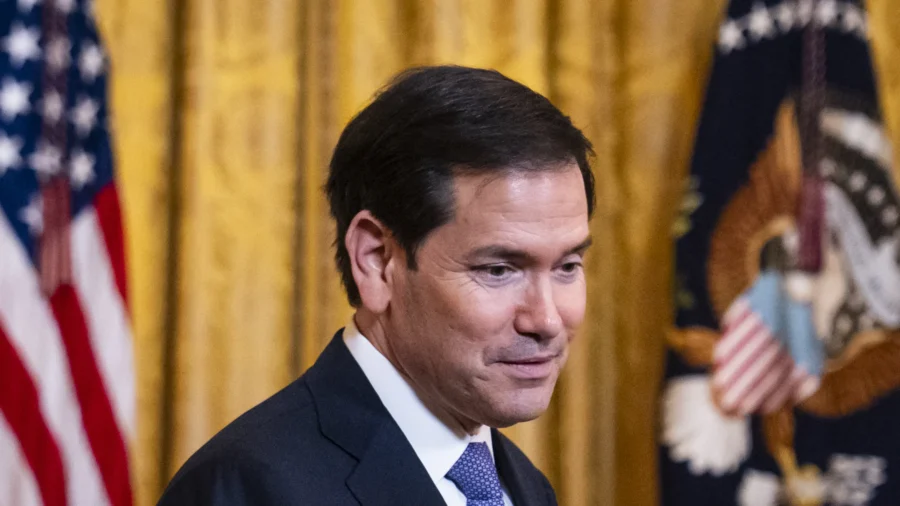
Image via NTD (NTD.com)
Rubio at NATO: The Markets Hear “Commitments,” Not Soundbites
Secretary of State Marco Rubio spoke with reporters from the NATO foreign ministers summit in a replay segment, spotlighting U.S. positioning with allies and ongoing security priorities. NATO talk can feel abstract until you price it into oil, shipping, defense procurement, and the risk premium investors demand when the world gets shakier.
These summits matter because deterrence and clarity reduce surprises, and surprises are what hammer markets. When allies aren’t aligned—or when America looks unserious—capital moves to safety: dollars, Treasuries, gold, and energy. When the U.S. projects steadiness, it lowers volatility and helps businesses plan.
Foreign policy also hits Main Street through inflation channels. Energy costs, insurance, supply chains, and port logistics don’t care about ideology; they care about stability and credibility.
🏛 Wade's Take: I want peace through strength, because strength is cheaper than chaos. A disciplined NATO posture keeps conflict from spreading—and it keeps the inflation fire from getting another gas can poured on it. If Rubio’s message is consistency and leverage, good—because markets punish confusion fast.
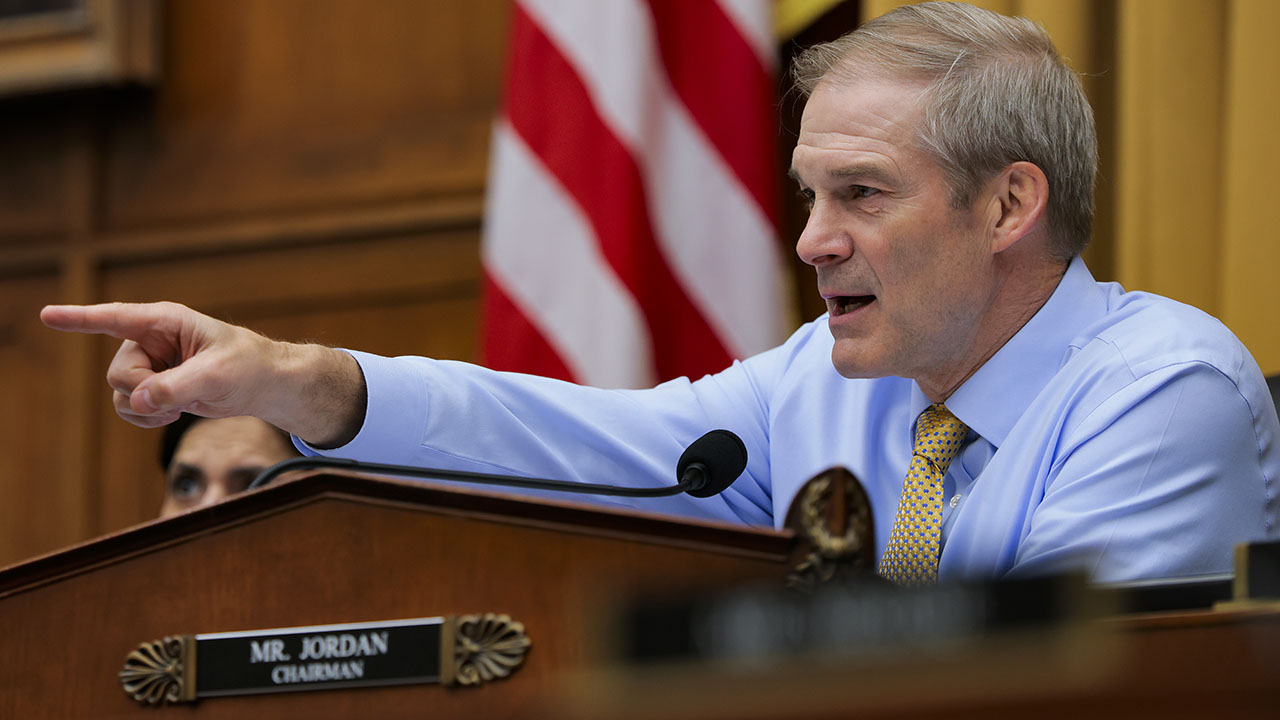
Image via The Daily Signal
Jim Jordan on the SPLC, DOJ, and the “Weaponization” Question
House Judiciary Chairman Jim Jordan laid out concerns about how institutions like the Southern Poverty Law Center influence narratives and how the Justice Department has been used in ways that conservatives argue look political. The interview frames a familiar but urgent argument: when enforcement and “extremism” labels get applied unevenly, trust in rule-of-law erodes.
For regular people, this isn’t academic. If citizens believe the system is rigged, they disengage—or they radicalize. Either way, you get less cooperation with legitimate law enforcement and more cynicism about courts, regulators, and elections.
From a business standpoint, politicized bureaucracy is a hidden tax. Unclear standards and selective enforcement make it harder to invest, hire, build, and plan—especially for small firms that don’t have in-house counsel on speed dial.
🏛 Wade's Take: The law has to be a measuring stick, not a club. When government agencies look like they’re picking sides, it’s not just unfair—it’s economically corrosive because confidence is the oxygen of commerce. Clean it up, standardize it, and make accountability real.
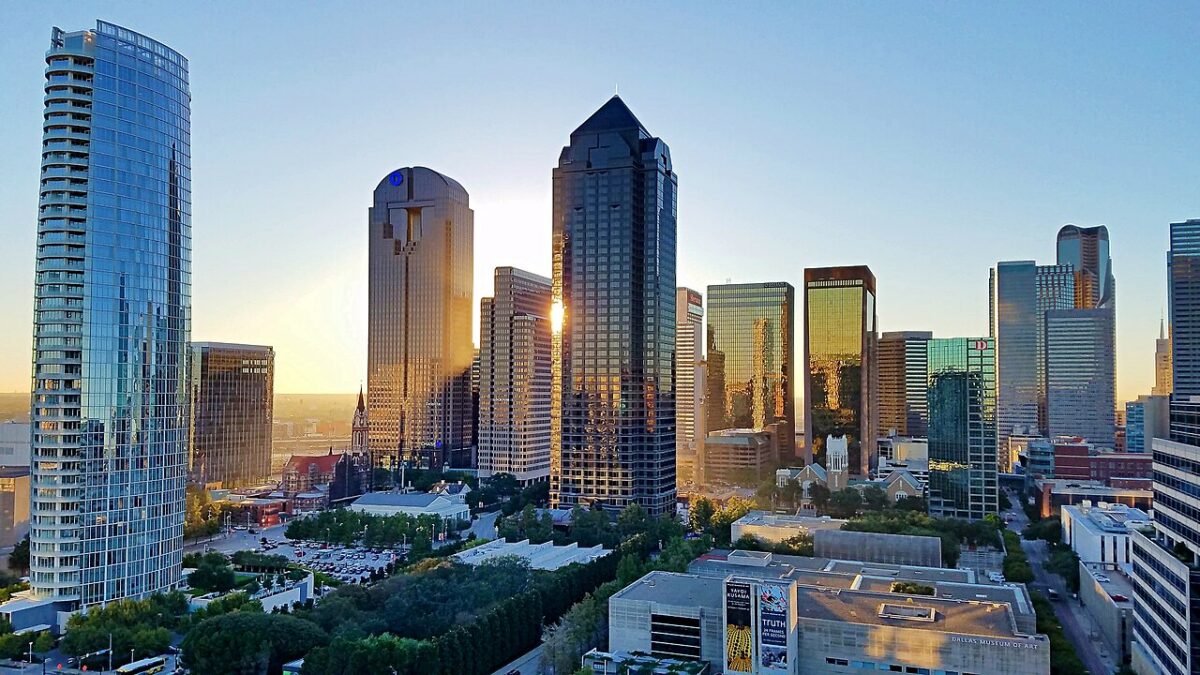
Image via The Federalist
Cities Don’t Need More Brewpubs — They Need Safer Streets and Better Schools
A Federalist piece argues cities like Dallas won’t revive themselves with more lifestyle amenities—brewpubs, museums, splashy “placemaking”—if they don’t nail the basics: good schools, low crime, affordable housing, and low taxes. The thesis is simple: families and employers pick safety and schooling before they pick culture districts.
That tracks with what I’ve seen in commercial real estate. A city can build pretty, but if households don’t trust the schools and businesses don’t trust public safety, you’ll see it in leasing velocity, tenant quality, and cap rates. Class A facades can’t compensate for Class C governance.
The article also challenges the notion that government can “brand” a city into prosperity. Real prosperity is boring: competent policing, functional classrooms, predictable permitting, and a cost structure that lets working people stay.
🏛 Wade's Take: Brewpubs are dessert—public safety and schools are meat and potatoes. If a city wants investment, it has to protect people and educate kids, period. Get those right and the private sector will handle the fun stuff without a taxpayer-funded “revitalization” sales pitch.
I’m Wade Lawson — keep your values tight, your balance sheet tighter, and don’t let bad policy steal the future you’re trying to build.
— Wade Lawson