Sponsored By:
Oil markets are shifting as Venezuela's disruption removes critical barrels while spare capacity shrinks. Supply pressure is building before headlines catch up — and smart traders are positioning now.
Our exclusive briefing reveals three energy stocks emerging from this supply shock, plus the key signals to monitor as this setup evolves. This is about preparation, not prediction.
Get the Free Oil Trading ReportBy following the links above, you're opting in to receive valuable updates from Wealthiest Investor News plus 2 bonus subscriptions. Your privacy is important to us. You can unsubscribe anytime. See our privacy policy for details.

News For Every Conservative: five stories that tell you where the leverage is, where the money’s moving, and who’s trying to distract you from the bill coming due.

Image via National Review
Finish the Job in Ukraine: Pass the New Russia Sanctions Bill
National Review makes the case that the fastest way to shorten a war is to squeeze the war machine, and that’s exactly what a serious sanctions package is supposed to do: cut off cash, technology, shipping, and middleman routes that keep missiles flying. The piece frames the late Sen. Lindsey Graham as having been clear-eyed about Ukraine all along, and it argues Congress should honor that clarity with action, not speeches.
From an economic angle, sanctions aren’t a feel-good bumper sticker. They’re a tool that reshapes commodity flows, insurance markets, freight pricing, and the risk premium investors demand everywhere from European banks to U.S. energy producers. If Washington is going to use that tool, it needs to do it with focus and enforcement, not loopholes and press releases.
For small businesses back home, the question is simple: does policy reduce uncertainty or extend it? A drawn-out war keeps volatility in energy, fertilizers, metals, and defense supply chains, and that volatility ends up inside your input costs and interest rates. A credible sanctions regime that actually constrains Russia’s capacity can shorten the timeline and cool the uncertainty premium the world keeps pricing in.
🏛 Wade's Take: If Congress believes Ukraine matters, then stop dithering and pass the sanctions bill with teeth and real enforcement. I’ve lived through rate cycles and supply shocks; uncertainty is the silent tax that crushes payroll and capital investment. Honor Lindsey Graham by doing the hard part: making sanctions real, not symbolic, and pairing them with a clear objective that ends the war faster.
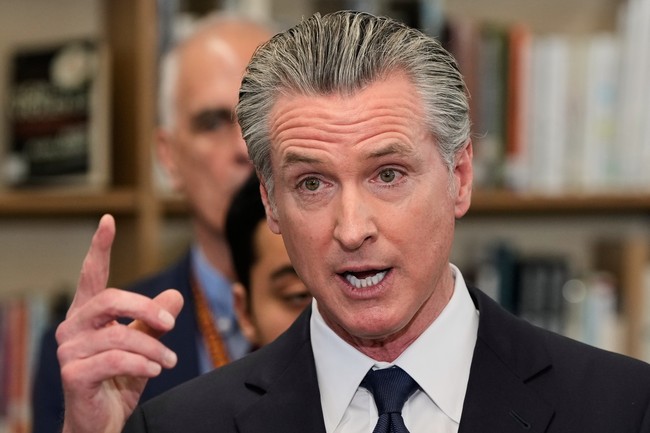
Image via RedState
Newsom vs. Rogan: A Tantrum Isn’t a Strategy
RedState highlights Gov. Gavin Newsom erupting at Joe Rogan over Rogan giving JD Vance a platform. The gist is that Newsom, instead of persuading, tried to shame and scold, as if voters are supposed to accept that certain conversations are off-limits because a governor doesn’t like the guest list.
This is the modern Left’s default posture: control the microphone, then call it “protecting democracy.” But people can smell it a mile away. If your ideas are strong, you don’t panic when a podcaster talks to a politician; you make your case and trust adults to sort it out.
There’s also a business lesson here. When a brand melts down publicly, it signals insecurity, and insecurity is contagious. Markets don’t reward panic, and voters don’t either, especially when they’re already feeling squeezed by housing costs, insurance premiums, and everyday inflation.
🏛 Wade's Take: Newsom’s problem isn’t Rogan or Vance; it’s that his style of politics can’t survive outside a curated room. Conservatives should welcome open platforms because sunlight is how you expose bad policy and sell better policy. If you’re running a state or a company, you don’t win by yelling at the referee; you win by building a product people actually want.
📎 RedState

Image via American Thinker
Billion-Dollar Data Centers: The Next Local Land War
American Thinker digs into the surge of massive data center projects across the country and the growing backlash that’s meeting them at zoning boards and county commissions. The projects bring big capital, specialized jobs, and long-term tax base, but they also bring real local costs: transmission lines, substations, diesel backup generators, water use in some designs, and a footprint that can change the character of rural and suburban areas fast.
From a commercial real estate standpoint, data centers are the new trophy asset class, and investors love them because leases can be sticky and credit can be strong. But they’re also infrastructure, and infrastructure always collides with politics. Neighbors worry about noise, viewsheds, and power reliability; local leaders worry about whether the promised benefits match the scale of the concessions.
The smart fight isn’t “data centers yes” or “data centers no.” It’s “data centers on fair terms.” If a project needs public upgrades, ratepayer-backed power expansion, or tax incentives, then the community deserves enforceable commitments: landscaping and sound mitigation, road improvements, local hiring pipelines, and hard limits on generator runtime and emissions, not vague assurances.
🏛 Wade's Take: I’m pro-growth, and I’m not scared of modern industry moving in, but I don’t sign blank checks in my business and neither should a county commission. If a developer is making a billion-dollar bet, they can afford to be a good neighbor and put guarantees in writing. Conservatives ought to lead with property rights and transparent deals: approve the projects that pencil out fairly, and reject the ones that socialize costs while privatizing profits.
Trump, Power, and the Old Lesson: Win People Before You Try to Move Them
The American Conservative pulls a lesson from Herodotus’ paradox: the strongest leaders don’t always get the best results by flexing force; they often win more by co-opting, absorbing, and aligning interests. Applied to Trump and national politics, the argument is that power is best expressed by shaping incentives and building coalitions, not by treating every opponent like they must be crushed publicly.
That lands in a moment where the country is exhausted. Voters want outcomes: safer streets, affordable energy, attainable housing, secure borders, and a government that doesn’t treat citizens like ATMs. But the fight to get there still runs through institutions, agencies, courts, and a business community that responds to predictability more than slogans.
In deal terms, you can win the negotiation and still lose the relationship, and losing the relationship costs you the next ten deals. Politics is no different. The conservative agenda works better when it recruits new allies by making it easy for people to switch sides without being humiliated for what they used to believe.
🏛 Wade's Take: Force has its place, especially against bureaucracies that refuse lawful direction, but co-opting is how you lock in durable wins. If Trump wants reforms to stick, he should pair toughness with an on-ramp for skeptics: reward cities and states that cooperate, elevate competent managers, and keep the message focused on results people can measure. In business, the best leverage is the kind that makes the other party glad they agreed.
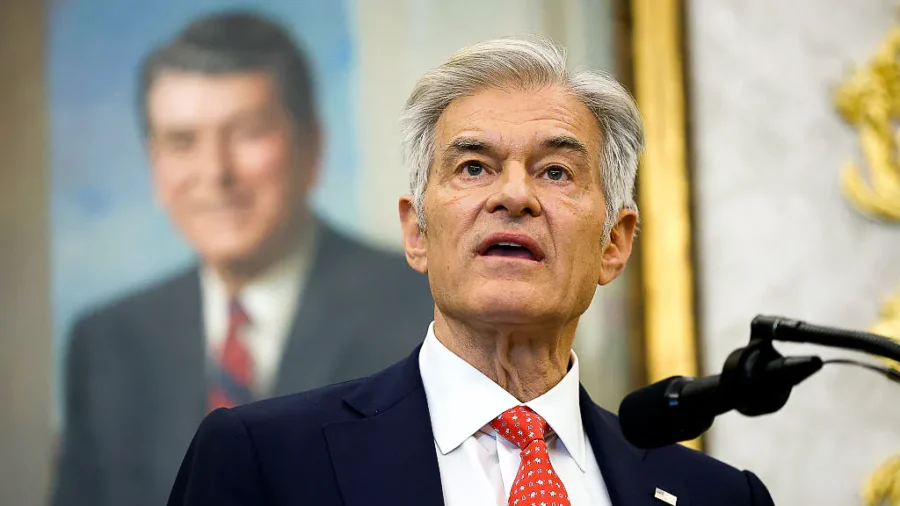
Image via NTD
Medicaid Integrity: Verifying Payments Isn’t Cruel, It’s Basic Math
NTD reports on the push to stop unverified Medicaid payments, with an analyst arguing it should have happened decades ago. The story points toward a simple principle: if the government is sending out checks without proper verification, that’s not compassion, it’s mismanagement, and it invites waste and fraud at a scale that honest taxpayers can’t sustain.
Medicaid is one of the biggest line items in state and federal budgets, and it affects everything from hospital systems to rural clinics to state tax burdens. When payments aren’t verified, you don’t just lose money; you distort incentives across the whole healthcare market. Providers who play by the rules end up squeezed while bad actors learn the system is easy to game.
For the broader economy, this matters because deficits aren’t abstract. Persistent overspending pushes borrowing, borrowing pressures rates, and higher rates hit home values, small business expansion, and municipal budgets. When Washington and state capitals ignore basic verification, they’re quietly raising the cost of capital for everybody who actually produces something.
🏛 Wade's Take: Verifying Medicaid payments is the kind of boring reform that saves real money and protects the truly needy at the same time. It’s not a partisan idea; it’s an accounting requirement, like reconciling your books before you make payroll. Conservatives should push this hard, then go one step further: publish the results, prosecute fraud, and make agencies answer for every dollar they can’t justify.
📎 NTD
That’s the roundup. Keep your eyes on enforcement, incentives, and the cost of capital, because politics is always economic sooner or later. See you next issue. — Wade Lawson, The Local Conservative
— Wade Lawson