Sponsored By:
History shows a clear pattern: the investors who recognized the exact inflection point in the dot-com boom pocketed 400–800% gains in 18 months. Those who spotted the same moment in cloud computing saw 300–600% returns. Based on 50 years of market data, that same moment is happening right now — and the acceleration phase has already begun.
This free 7-page report reveals where we are in the current megatrend cycle, why the next 18 months are critical, and how to position yourself before the window closes. Don't be the investor who enters too late.
Get the Free ReportBy clicking 'Get the Free Report' you are automatically subscribing to Darwin Investor Network and will receive a free subscription to the Chaikin PowerFeed newsletter. Unsubscribing is easy. Privacy Policy

From stadium stages to AI talking points to Russian hit plots, today’s stories have one common thread: somebody’s trying to use your attention, your money, or your institutions. Here’s what it means for business owners, investors, and the country we’re trying to hand to our kids.

Image via Washington Examiner
Free Speech Isn’t a Backstage Pass to Somebody Else’s Stadium
The Macklemore dust-up is a reminder that free speech is not the same thing as guaranteed distribution. You can say what you want in America within the law, but you don’t get to commandeer a private platform and then act shocked when the owner, the promoter, or the headliner draws a line. A stadium stage is not a public utility; it’s a private asset tied to brand risk, sponsor dollars, and fan trust.
This matters beyond celebrity drama because every business in this country is a platform now. Whether it’s a restaurant hosting a political club meeting, a bank deciding what causes it will underwrite, or a property owner choosing tenants, the same principle applies: owners set terms. If you don’t like the terms, build your own stage, rent your own venue, or take your message to a place that wants it.
The other angle is pure economics. When artists turn performances into political rallies, somebody eats the cost: sponsors pull back, security bills rise, insurance gets tighter, and the event becomes more about risk management than entertainment. That’s not “cancel culture,” that’s cost control.
🏛 Wade's Take: I’ve negotiated enough leases to know this truth: ownership carries the right to say yes and the right to say no. If Robert Kraft doesn’t want his stadium becoming a political billboard, that’s not oppression, that’s management. Conservatives should defend free speech and also defend property rights with the same backbone.
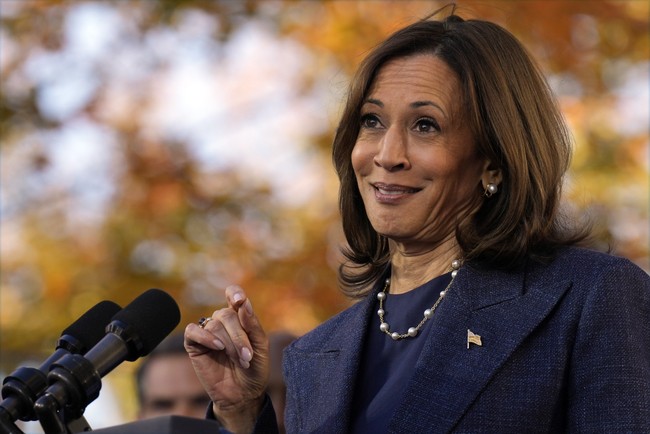
Image via RedState
Kamala’s AI Alarm Bells Collide With Her Own Old Soundbite Problem
Vice President Harris is back warning about artificial intelligence, and the internet is doing what it does: replaying old clips where she struggled to explain basic concepts with confidence. The result is predictable mockery, but the bigger issue isn’t the jokes. It’s what happens when Washington treats AI like a campaign prop instead of a serious economic and national security challenge.
AI is not a trendy talking point for people who’ve never had to meet payroll. It’s already changing hiring, customer service, logistics, fraud, and compliance. If the administration’s public face on AI sounds unserious, markets and small businesses hear one thing: new rules are coming, and they’re going to be written by people who don’t understand how the tools actually work.
When government credibility is thin, regulatory risk goes up. That hits valuations, capital spending, and entrepreneurship. Investors price uncertainty fast, and small operators feel it in slower decisions from lenders, insurers, and vendors.
🏛 Wade's Take: If you want Americans to trust you with AI policy, you’ve got to show you can explain it like an adult and regulate it like a surgeon, not a politician shopping for applause lines. The danger isn’t that people mock her; the danger is that the administration reacts by rushing out clumsy rules. Bad AI regulation will be like bad zoning: it won’t stop the powerful, it’ll just crush the little guy.
📎 RedState

Image via American Thinker
Washington Doesn’t Need Another Dollar From You
There’s a persistent myth in this country that the solution to every problem is more government money, as if a bigger budget automatically means a better outcome. The reality is you can’t out-spend mismanagement. Households know it, business owners know it, and anyone who’s ever tried to turn around a failing property knows it: without discipline and accountability, more cash just feeds the mess.
The public sector has a spending problem and a priority problem. We can argue all day about what’s “worth funding,” but we can’t ignore that borrowed money isn’t free money. It’s future taxes, higher rates, and currency debasement risk, which shows up in real life as higher insurance, higher materials, higher groceries, and higher rents.
For investors, this is why hard assets keep having their moment. When people lose faith in fiscal restraint, they start looking for shelter in things with real scarcity: land, productive businesses, and yes, some exposure to gold. The tragedy is we shouldn’t have to hedge against our own government’s lack of self-control.
🏛 Wade's Take: Before Washington asks for one more buck, it needs to prove it can do the basics: secure the border, enforce the law, and stop treating debt like a lifestyle choice. If a business ran like the federal budget, the bank would lock the doors. My advice is simple: vote like a taxpayer, invest like a realist, and don’t let politicians shame you for wanting arithmetic to matter again.
Image via Just the News
DOJ Says Russian Intel Network Tried to Fund Terror and Murder-for-Hire on U.S. Soil
The Justice Department has charged an alleged Russian intelligence network with a conspiracy that includes financing terrorism and arranging murder-for-hire efforts tied to operations in the United States. The allegations include paying or attempting to pay people to conduct surveillance and carry out targeted killings. If proven, this isn’t spy-versus-spy theater; it’s direct hostile action that threatens Americans in our own communities.
From a business standpoint, foreign-directed violence plots don’t just endanger lives; they raise the cost of doing business. Security spending climbs, public event risk rises, insurers get skittish, and cities already struggling with vacancies and crime look even less investable. National security isn’t an abstract talking point when it affects whether families feel safe downtown and whether employers can recruit talent.
For markets, these cases also reinforce a hard truth: geopolitics is back as a pricing factor. Energy, defense, cyber, and critical infrastructure protection all become more central when adversaries are willing to outsource violence and surveillance. Investors who think this is “over there” are behind the curve.
🏛 Wade's Take: If a foreign intelligence outfit is trying to buy killings in America, the response needs to be loud, fast, and unforgiving. This is one place where government’s job is crystal clear: protect citizens and punish enemies, not issue press releases and move on. And yes, it means we should get serious about counterintelligence, border integrity, and law enforcement resources that actually deter bad actors.
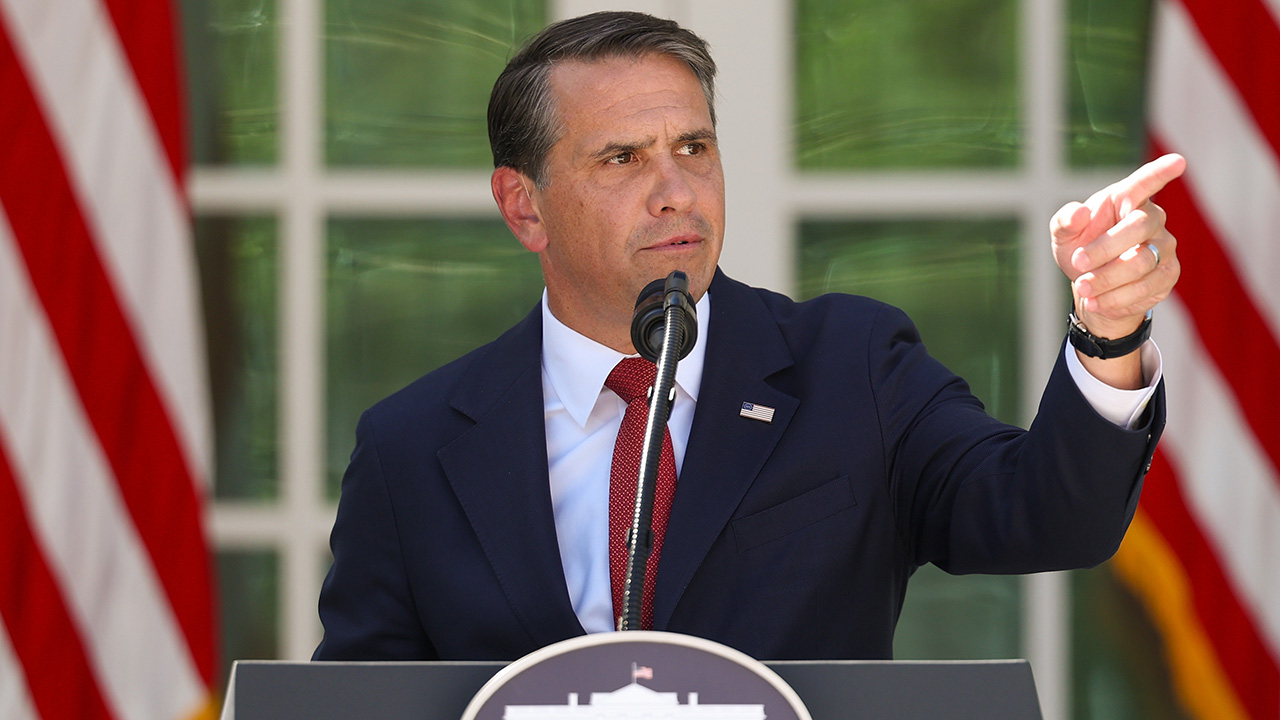
Image via The Daily Signal
Blanche on AI: Stop Treating It Like a Sudden Crisis and Start Governing Like Adults
Attorney General Todd Blanche is pushing back on the breathless AI panic, arguing that fears about artificial intelligence shouldn’t be treated like “breaking news” that appeared overnight. He’s right that AI didn’t materialize two months ago. The tech has been advancing for years, and Washington’s tendency to act surprised usually signals one thing: they’re about to overcorrect.
The proper approach is neither denial nor hysteria. AI has real risks: deepfakes in elections, automated fraud, data theft, and productivity shocks in white-collar work. But the answer can’t be a regulatory avalanche that locks in the biggest incumbents and turns startups into compliance prisoners.
For the economy, the stakes are huge. AI can boost productivity and margins, but it can also accelerate job churn and widen the gap between companies that adapt and those that don’t. Government’s role should be focused on clear fraud enforcement, national security safeguards, and standards that don’t suffocate competition.
🏛 Wade's Take: Blanche is right about one thing: if AI is “suddenly” a crisis in Washington, that means politicians weren’t doing their homework. We need rules that punish fraud and protect critical systems, not rules that turn every innovation into a permission slip. If the U.S. buries AI under red tape, capital and talent won’t wait around; they’ll move.
That’s the Wednesday rundown. Keep your head on a swivel, your balance sheet conservative, and your politics anchored to what actually works in the real world. Wade Lawson, The Local Conservative
— Wade Lawson