Sponsored By:
Ex-Wall Street banker and CFA© Charterholder Tan Gera turned $57,000 into $1.87 million in 18 months — not by trading blind, but by reverse-engineering the same three-phase playbook BlackRock uses to manage $14 trillion. He rebuilt it for everyday investors with $50k+, and over 4,500 members are already using it in any market condition.
It's called the ABN System — designed to protect your capital when markets crash, generate income whether they rise or fall, and unlock opportunities before they go public. If you're holding digital assets right now, this framework could multiply what you're sitting on.
Copy BlackRock's $14 Trillion Playbook →*Results not typical. This email contains affiliate links. This content is for educational purposes only. The opinions expressed are from DM Intelligence LLC, doing business as Decentralized Masters, who are not licensed financial advisors or registered investment advisors. DM Intelligence LLC is not responsible for any losses, direct or indirect, resulting from the use of this information. Results vary. Success with digital currencies requires time, effort, and involves substantial risk including total loss of investment. Past performance does not indicate future results. All investments are at your own risk. Unsubscribe.

Iran heats up, NATO weighs in, Trump takes aim at Spain, America’s manufacturing edge gets a reality check, and Justice Alito’s steady hand shapes a big Supreme Court term.
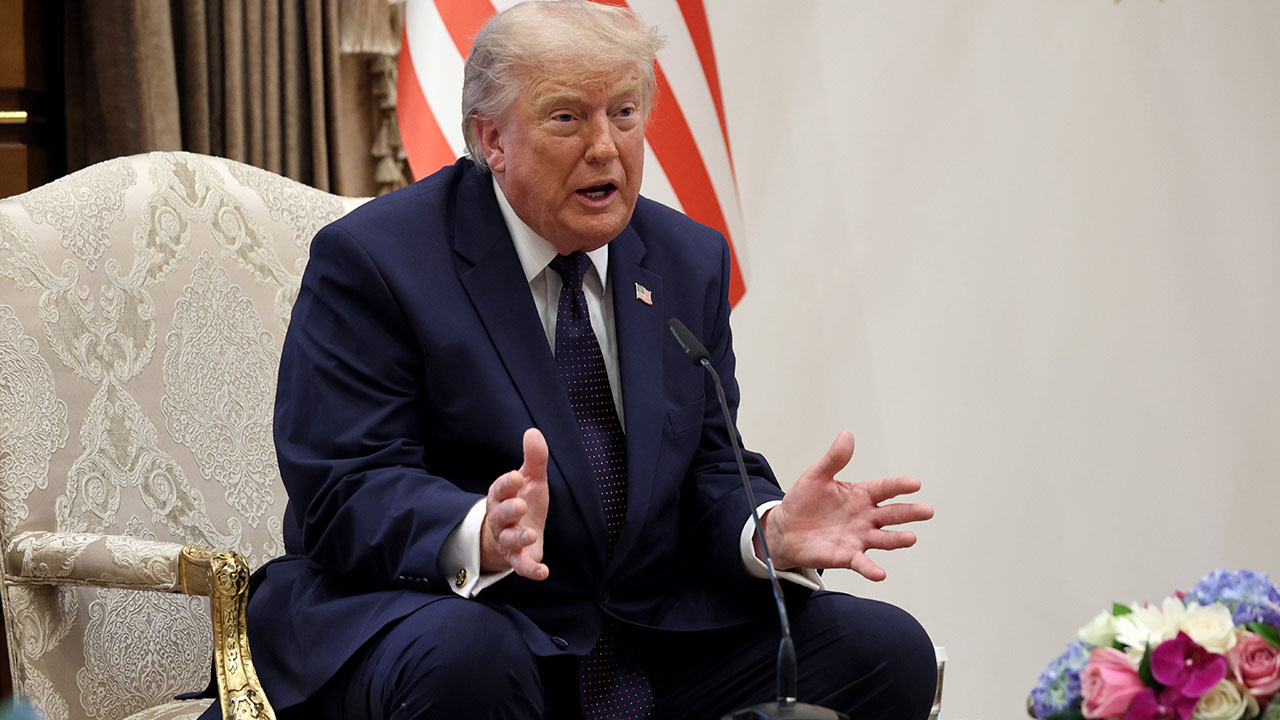
Image via The Daily Signal
U.S. Hits Iran Again, Tightens the Oil Screws After Strait Attacks
U.S. Central Command says American forces launched a new wave of strikes against Iran after three tankers were hit in the Strait, a reminder that energy markets still live and die by a few narrow waterways most folks couldn’t point to on a map. Alongside the strikes, the U.S. revoked a license that had allowed Iran to sell oil, turning the pressure dial from military to financial in a hurry.
If you’re a small business owner watching input costs, this matters fast. The moment shipping lanes feel unsafe, insurers raise rates, shippers reroute, delivery times slip, and everything from diesel to plastics to fertilizer catches a bid. And in commercial real estate, higher fuel and freight costs bleed into tenant margins, especially for distribution, light industrial, and any retailer living on thin inventory turns.
Markets will do what markets do: crude spikes on headlines, then everybody argues about how much supply really gets knocked out. But the bigger risk is miscalculation — a long, messy cycle of retaliation that keeps energy risk-premium baked into prices and keeps the Fed uncomfortable.
🏛 Wade's Take: If the Strait is getting hit, you don’t respond with press releases and hashtags — you restore deterrence, quickly and clearly. Cutting Iran’s ability to monetize oil is the part that actually bites, because that’s the cash register funding the trouble. Investors and business owners should assume higher volatility in energy and shipping and keep some dry powder; this is exactly why I keep a slice of the portfolio in hard assets like gold and real assets like well-located property.
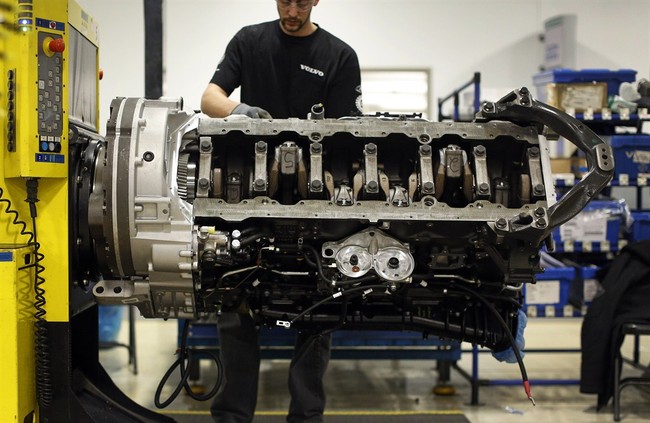
Image via PJ Media
America’s Real Trump Card Isn’t Silicon Valley — It’s the Factory Floor
There’s a fashionable idea that America can just “innovate” its way out of any problem while letting the dirty work happen overseas. The argument here is simpler and, in my opinion, more honest: the United States still has a manufacturing edge that functions like a national superpower — not just for jobs, but for resilience.
When you can make things, you can fix things. You can supply your own military, build your own infrastructure, and keep critical supply chains from turning into political blackmail. And at the local level, manufacturing is the kind of employment base that supports real communities: steady paychecks, apprenticeships, family formation, and the kind of small-business ecosystem that fills up strip centers, flex space, and industrial parks.
From an investing standpoint, the factory floor is also a map. It tells you where demand for power, logistics, water, rail, and housing is headed. If Washington gets serious about permitting, reliable energy, and predictable regulation, you’ll see the next decade’s best real estate and equity opportunities built around making and moving physical goods.
🏛 Wade's Take: A country that can’t build is a country that can’t lead, and I’m tired of pretending services alone can carry the whole load. The conservative win here is practical: cheap, reliable energy; sane permitting; skills training that respects trades; and tax policy that rewards investment, not financial engineering. If you want to bet on America without the hype, follow the industrial buildout — and buy quality companies that supply it.
📎 PJ Media
NATO Chief Backs U.S. Strikes: “Absolutely Necessary”
Reuters reports NATO’s chief called the new U.S. attacks on Iran “absolutely necessary,” which matters because it signals the alliance isn’t interested in letting Tehran normalize attacks on shipping and regional stability. Whether every member is equally enthusiastic is a separate question, but the public posture is: the West is drawing lines again.
For markets, the alliance angle is not academic. When investors believe there’s coordinated resolve, risk comes down: fewer surprises, clearer consequences, and less chance that every incident becomes a multi-week guessing game. When alliances fracture, adversaries get bolder, insurance gets pricier, and global trade gets more fragile — and that fragility shows up as inflation in the real economy.
If this holds, it also shapes defense and energy capital spending. Stability isn’t free; it requires ships, surveillance, munitions, and a serious industrial base to replenish them. That circles back to U.S. manufacturing capacity and the ability to scale production without waiting on foreign suppliers.
🏛 Wade's Take: I’m glad NATO leadership is saying the quiet part out loud: keeping sea lanes open isn’t optional, it’s the backbone of modern commerce. The lesson for Washington is to stop acting surprised when deterrence decays — it has to be maintained like any other asset. For investors, defense and domestic industrial suppliers aren’t “war trades” so much as “order and logistics trades,” and those themes don’t vanish overnight.
📎 Reuters

Image via The Hill
Trump Floats Cutting Off Trade With Spain — Here’s Who Pays First
President Trump, speaking from the NATO summit, called for cutting off all U.S. trade with Spain, citing what he described as a lack of cooperation. As a negotiating tactic, it’s a familiar Trump move: take a bilateral relationship, spotlight imbalance or frustration, and threaten the most visible lever.
The problem is that trade cutoff talk lands like a tax on your own people before it lands like a punishment on the other side. U.S. exporters lose customers, importers scramble, and costs rise for manufacturers and retailers who depend on specific inputs, components, or inventory. In real estate terms, uncertainty hits ports, distribution tenants, and any business model built on predictable lead times and stable landed costs.
Now, could there be a legitimate complaint about burden-sharing, defense commitments, or trade terms? Sure. But smart leverage is targeted and measurable. Broad, blanket trade threats are easy to say and hard to unwind without collateral damage.
🏛 Wade's Take: I’m all for allies pulling their weight, but a full trade cutoff is a sledgehammer that can smash your own supply chains and small businesses. If Spain is the issue, use precision: procurement, defense cost-sharing, specific tariff lines, or sanctions tied to clear benchmarks. The goal is better terms and stronger alliances, not higher prices at home and another excuse for bureaucracy to micromanage commerce.
📎 The Hill
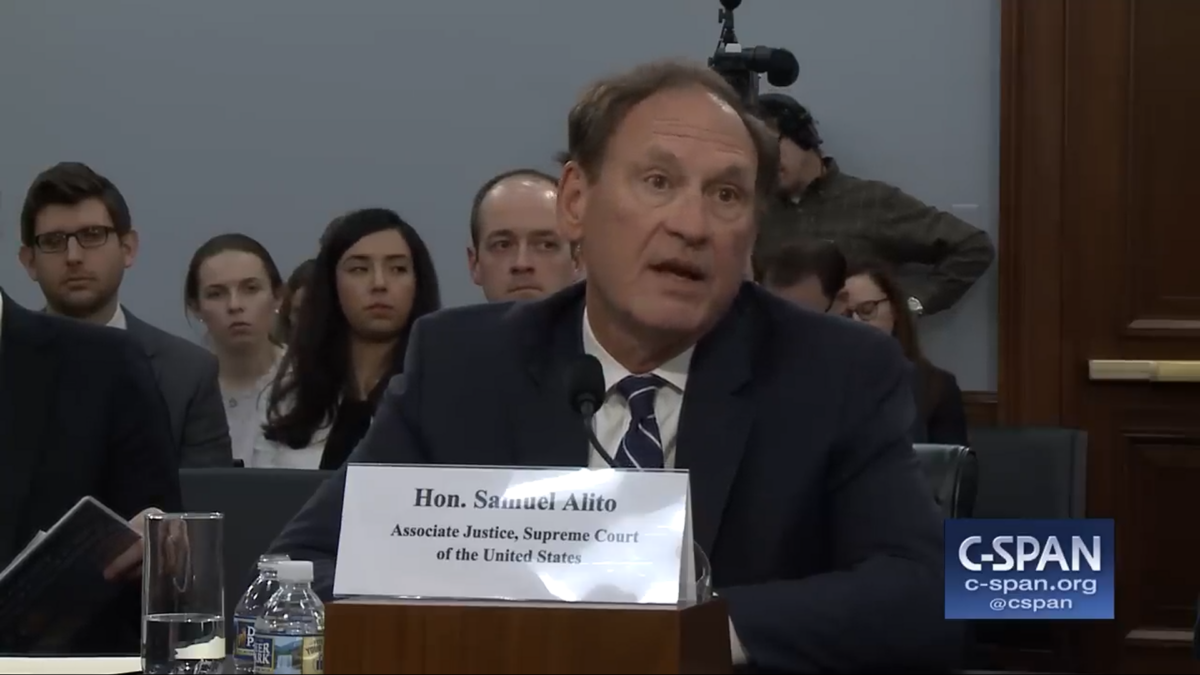
Image via The Federalist
Alito’s Moment: The Justice Behind the Term’s Biggest Conservative Wins
The Federalist argues that in a year stacked with high-stakes Supreme Court decisions, Justice Samuel Alito is getting overdue recognition for how central he’s been to many of the court’s most consequential outcomes. Whatever you think of his style, the point is that jurisprudence isn’t just about headline cases — it’s about the steady, consistent legal reasoning that shapes how far government can reach.
For ordinary Americans, the Supreme Court can feel abstract until you run a business, manage property, or try to plan a family budget around rules that change every election cycle. Courts that reinforce limits on agency power and insist on constitutional grounding reduce regulatory whiplash. That kind of predictability is pro-growth, because it makes it easier to invest, hire, sign leases, and build projects without guessing what a new memo will do to your costs.
This is also cultural, not just legal. A court willing to say “that’s not what the law allows” pushes Congress to do its job instead of outsourcing major policy to unelected administrators. And when lawmakers have to vote on real consequences, voters can finally hold someone accountable.
🏛 Wade's Take: Conservatives don’t need a court that rubber-stamps our side; we need a court that enforces the rules, even when it’s unpopular. Alito’s value is that he’s been consistent about limits, text, and consequences — which is exactly what markets and small businesses crave: clarity. If Congress wants big policy, let them pass laws in the daylight instead of letting agencies rewrite the economy through guidance letters.
That’s the rundown. Keep your head on a swivel, keep your balance sheet conservative, and don’t let political noise distract you from where the money is actually moving. — Wade Lawson, The Local Conservative
— Wade Lawson