Sponsored By:
The market is dumping 7 blue-chip stocks based on lazy headlines — and that's your window. A healthcare giant that quietly raised guidance twice this year. An entertainment titan that just posted $346M in streaming profits. A software company with $5B in AI-driven recurring revenue. The crowd sees problems. Smart money sees mispricing — and the gap between perception and reality right now is as wide as it gets.
When sentiment shifts — and it always does — the snapback will be violent. These 7 stocks are identified, the thesis is built, and the free report is ready. The only question is whether you're positioned before the crowd catches on.
Get Your Free Report NowBy clicking the link above you agree to receive emails from Trading Tips and our affiliates. You can opt out at any time. Privacy Policy

Five stories that tell you where the money, power, and risk are moving: faction fights on the left, media hit jobs, common-sense pushback, surveillance tradeoffs, and a debt spiral the same people helped rig.
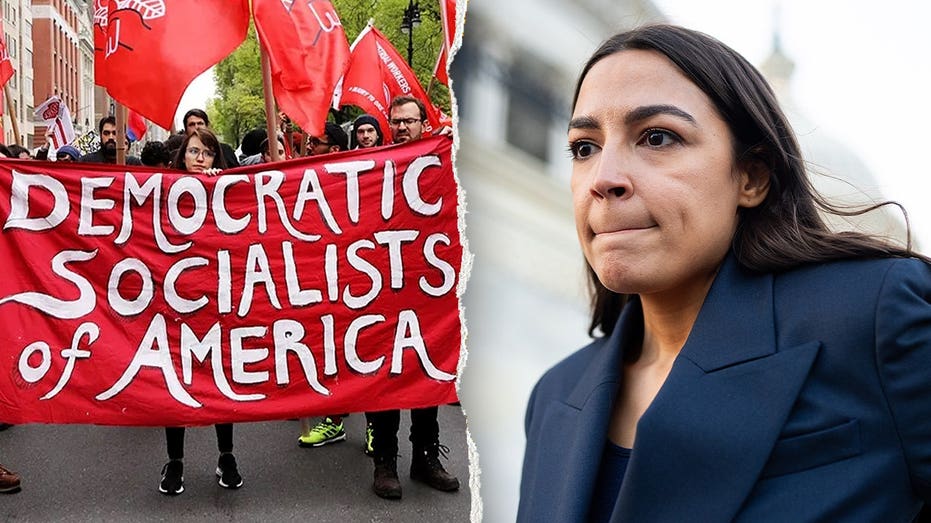
Image via Fox News
Even the Socialists Think AOC Went Soft as 2028 Chatter Starts
The Democratic Socialists of America’s Liberation Caucus is taking swings at Rep. Alexandria Ocasio-Cortez, calling her an “opportunist dilettante” and rejecting her as a 2028 standard-bearer. Translation: AOC built a national brand inside the system, and the true-believers want somebody who burns the system down, not someone who can win a committee vote.
For conservatives, this isn’t just internet drama. It’s a real signal about where the Democratic base is trying to pull candidates: more purity tests, more anti-capital rhetoric, and more policy proposals that treat your business like a pinata. When activists set the terms, elected officials either tack hard left to survive primaries or they get primaried by someone who will.
The market angle is simple: the louder this wing gets, the more investors price in regulatory aggression, higher taxes, and new constraints on energy, housing, banking, and private enterprise. Even if they don’t pass everything, they can still jam up deals, delay permits, and spook capital.
🏛 Wade's Take: When the far left calls AOC “too moderate,” you’re watching a movement that can’t govern itself, much less a country. But don’t get complacent: chaos on their side doesn’t mean safety on ours, it often means they double down on policies that punish production to satisfy activists. If you own property or run payroll, you should treat this as a warning that the next round of “progress” is going to come with more compliance costs and less growth.
📎 Fox News

Image via The Federalist
Legacy Media’s Favorite Trick: Smear First, Clarify Never
A new critique argues The New York Times is misrepresenting or distorting claims about Jennifer Hegseth, framing her influence and role in a way that looks less like reporting and more like narrative enforcement. The comparison raised is that strong spousal involvement in Washington isn’t some unprecedented scandal; it’s been covered as normal political reality for decades when the “right” people do it.
This is the part that matters for conservatives and investors: trust is an asset, and the big outlets have been lighting theirs on fire. When a paper treats politics like a courtroom drama where they’re also the judge, jury, and prosecutor, readers stop believing them on everything else too, including economics. That spills into markets because policy expectations get built on headlines, not facts.
If you’re running a business, you already know how this goes. Reputation damage is real even when the allegations are thin, and the correction never travels as far as the accusation. That’s why media incentives matter: clicks now, consequences later.
🏛 Wade's Take: I’ve negotiated enough leases to know the difference between disclosure and spin. If the press is going to interrogate influence in Washington, fine, but apply the same standard to everybody, every time. When “journalism” becomes a partisan weapon, it doesn’t just hurt one person, it wrecks public confidence and makes the country easier to manipulate.
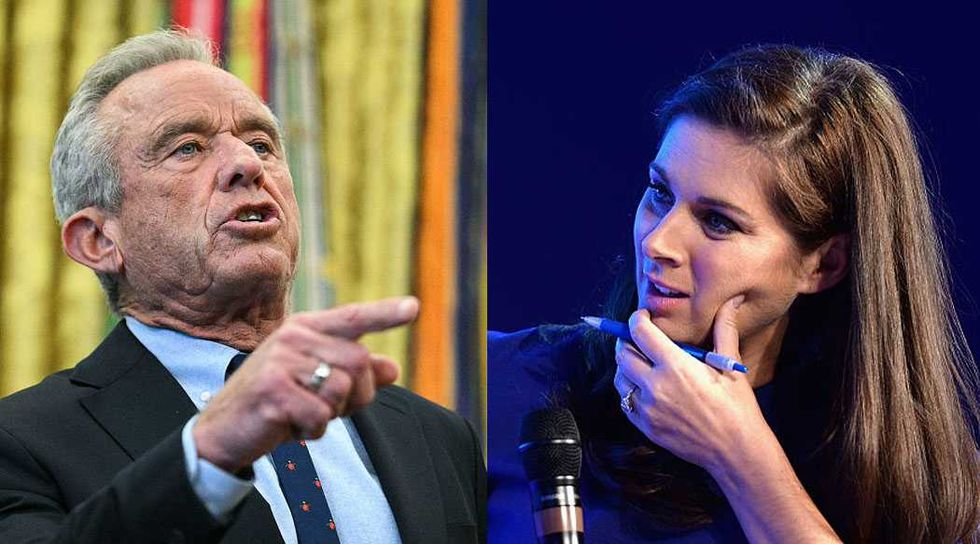
Image via TheBlaze
RFK Jr. Goes to War With ‘Gotcha’ Fact-Checks Over Food and Common Sense
Health and Human Services Secretary Robert F. Kennedy Jr. is getting attention for pushing back on a CNN-style fact-check culture after launching a cooking series called “The Real Food Show.” The dispute, as framed by coverage, centers on the kind of nitpicky logic that would have you treat everyday kitchen guidance like a compliance manual.
Put politics aside and look at incentives: our health system is built to monetize sickness, not teach ordinary people how to eat, cook, and live better. When someone with a national microphone talks in plain language, the institutional reflex is to police phrasing instead of grappling with the actual point. Meanwhile, grocery bills are still up, families are stretched, and employers keep paying more for insurance.
There’s also a broader governance question: does HHS exist to help Americans make better choices, or to protect the reputations of experts and the revenue streams tied to the status quo? The public can smell the difference between helpful guidance and a scold.
🏛 Wade's Take: Common sense is a scarce commodity in Washington, so when you see it, don’t overthink it. If Americans cooked more and relied less on a system that profits off chronic disease, that would be a win for families and for the economy. The media’s obsession with microscopic “fact-check” dunks is a tell: they’re more comfortable managing narratives than solving problems.
📎 TheBlaze

Image via National Review
License-Plate Cameras: Useful Tool, Dangerous Temptation
A National Review argument says we shouldn’t fear Flock cameras, suggesting that rolling them back won’t reverse decades of technological change and that these systems provide law enforcement a valuable asset. The case is straightforward: car theft rings, violent offenders, and repeat criminals move fast, and real-time identification helps police respond faster and connect cases.
Here’s the tension: tools built for chasing criminals rarely stay limited to that mission forever. The data footprint grows, the access expands, and pretty soon you’ve got a system that can map innocent people’s movements at scale. That creates obvious civil liberties problems and, in the wrong hands, political abuse risks.
From a business standpoint, public safety is a real economic input. If customers don’t feel safe, retail dies. If neighborhoods slide, property values follow. But if communities believe they’re being watched without guardrails, you also get mistrust, legal fights, and policy whiplash that makes cities harder to manage.
🏛 Wade's Take: I want criminals caught, and I want my tenants and employees safe. But any surveillance system should come with hard limits: strict retention windows, audited access logs, warrants for anything beyond immediate public-safety use, and real penalties for misuse. Conservatives should be the adults here: pro-law-and-order without building a permanent tracking machine that a future administration can turn against regular Americans.

Image via Daily Caller
Washington Helped Build $40 Trillion in Debt, Now They Pretend to Be Shocked
With the national debt hitting the $40 trillion neighborhood, establishment figures are once again making speeches about responsibility and “hard choices.” A Daily Caller piece calls out the obvious hypocrisy: many of the same people wringing their hands today voted for the spending, the unfunded promises, and the emergency “temporary” programs that never end.
The debt isn’t an abstract scoreboard. It feeds inflation risk, keeps interest costs high, and crowds out productive investment. For small businesses and commercial real estate, that translates into a tougher rate environment, tighter credit, shakier refinancing windows, and governments hunting for new revenue through fees, assessments, and taxes.
And don’t miss the political economy: debt is a way to buy votes now and send the bill to the next guy. It’s also a quiet transfer from savers to borrowers when policy leans on inflation. If you’re prudent, you get punished. If you’re leveraged to the hilt, you get rescued.
🏛 Wade's Take: You don’t get to light the house on fire and then run outside yelling about smoke. The debt path ends one of two ways: either serious spending restraint and growth policies now, or a slow-motion default through inflation and financial repression later. If you care about families, property values, and a country worth handing to your kids, you start demanding budgets that look like something a real business would recognize.
That’s the week. Keep your balance sheet strong, keep your head on a swivel, and don’t let loud politics distract you from where the incentives are pushing the economy.
— Wade Lawson