Sponsored By:
Policy is already moving markets in 2026 — trade enforcement, regulatory shifts, and tax positioning are redirecting capital right now. Institutions reposition before the headlines catch up, and the window to act early is closing fast.
Our analysts identified 5 stocks showing real momentum tied directly to current administration policy themes — including the sectors benefiting most from domestic investment trends and regulatory tailwinds. Don't get left behind.
Get the Free Report Now(By following any of the links above, you're choosing to opt in to receive insightful updates from The Investment News Daily + 2 free bonus subscriptions! Your privacy is important to us. You can unsubscribe anytime. See our privacy policy for details.)

Thursday, July 16, 2026. Five stories that tell you where the power, people, and capital are heading — and what it means for your business, your property, and your country.
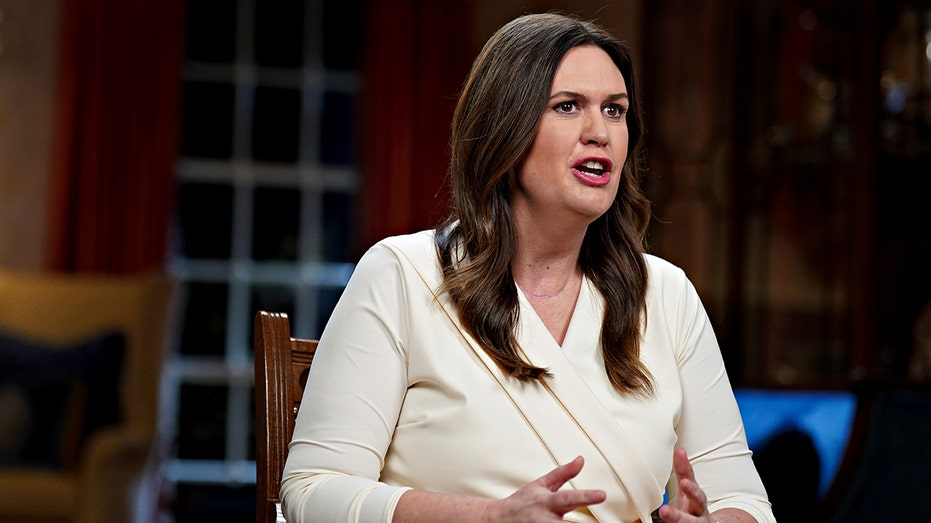
Image via Fox News
Red States Don’t Need CNBC’s Approval — The U-Hauls Already Voted
A group of Republican governors is firing back at CNBC’s latest “worst states to live” list, calling the rankings political theater dressed up as data. Their rebuttal is simple: look at the Census numbers and the moving vans. People are leaving high-tax, high-regulation states and planting roots in places CNBC loves to sneer at.
From where I sit in commercial real estate, domestic migration is the loudest truth-teller in America. You can spin “quality of life” however you want, but when households and employers relocate, that shifts demand for housing, warehouses, medical office, retail pads, and every service business that follows. Population growth is a balance sheet item, and red-state governors know it: more people means a broader tax base, more job formation, and a stronger bid under property values — if you don’t smother it with the same policies folks fled in the first place.
There’s also a cultural angle that the business media never models well: public safety, school quality, and the right to run a business without begging permission. Those factors don’t always fit into coastal scorecards, but they show up in cap rates, lease-up velocity, and whether your tenants are expanding or closing.
🏛 Wade's Take: CNBC can keep the list; I’ll take the migration. When millions of Americans choose a state with their feet, their jobs, and their retirement plans, that’s real market research — not a newsroom lecture. The warning to red states is this: don’t import blue-state bureaucracy and expect the boom to last.
📎 Fox News
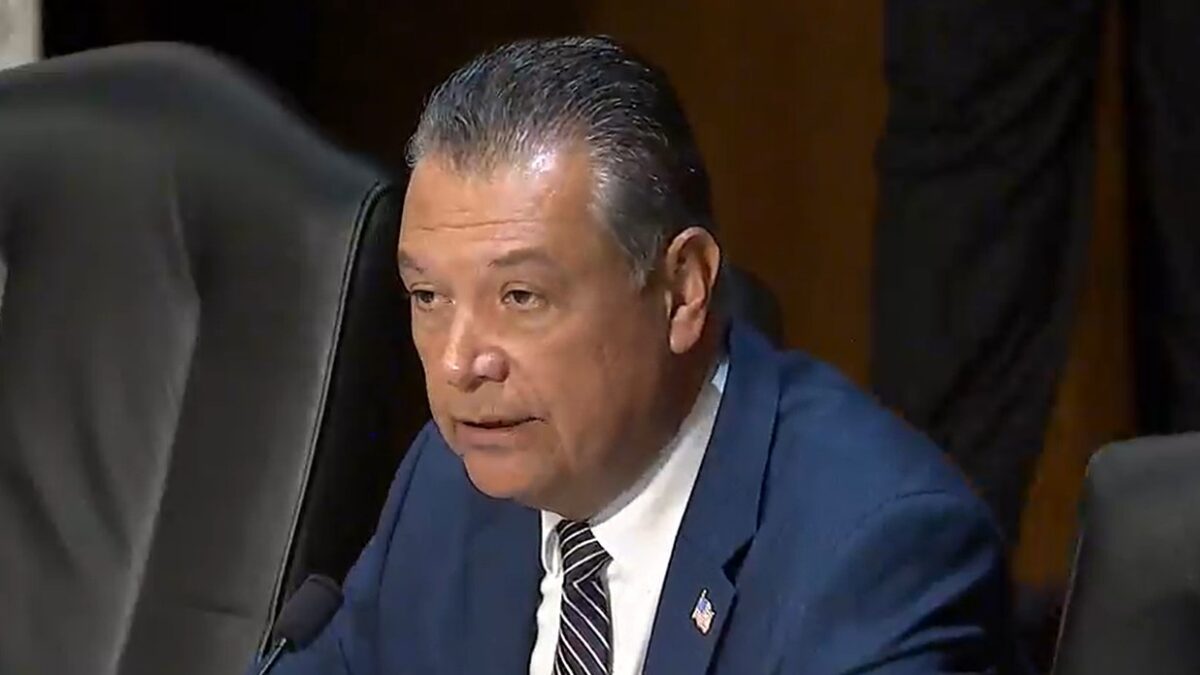
Image via The Federalist
Padilla’s Message to ICE: Let Them Hit You, or You’re the Criminal
Sen. Alex Padilla is drawing heat after comments suggesting ICE officers who use force in self-defense during confrontations should face termination — effectively telling federal agents to accept being endangered rather than risk the political blowback of defending themselves. The argument, as framed by critics, turns lawful enforcement into a one-way street: agitators can escalate, but agents must absorb it.
Put politics aside and think about incentives. If you make self-defense a career-ending decision, you’re not “de-escalating” — you’re encouraging more violence against officers because the consequences shift away from the attacker. In any business, when you remove the ability to respond to threats, you don’t create peace; you create a hunting ground.
There’s an economic cost here that doesn’t get discussed enough. Weak enforcement and politicized prosecution spill into city budgets, insurance premiums, and hiring decisions. Businesses avoid areas where law enforcement is handcuffed, and property owners pay the price through higher security costs, higher vacancy, and lower valuations.
🏛 Wade's Take: If a senator thinks an ICE agent should choose between getting run over and going to jail, that senator isn’t serious about public order. You can demand professionalism and accountability without turning the badge into a suicide pact. A country that won’t back lawful enforcement won’t keep investment — capital is skittish, and it runs from chaos.
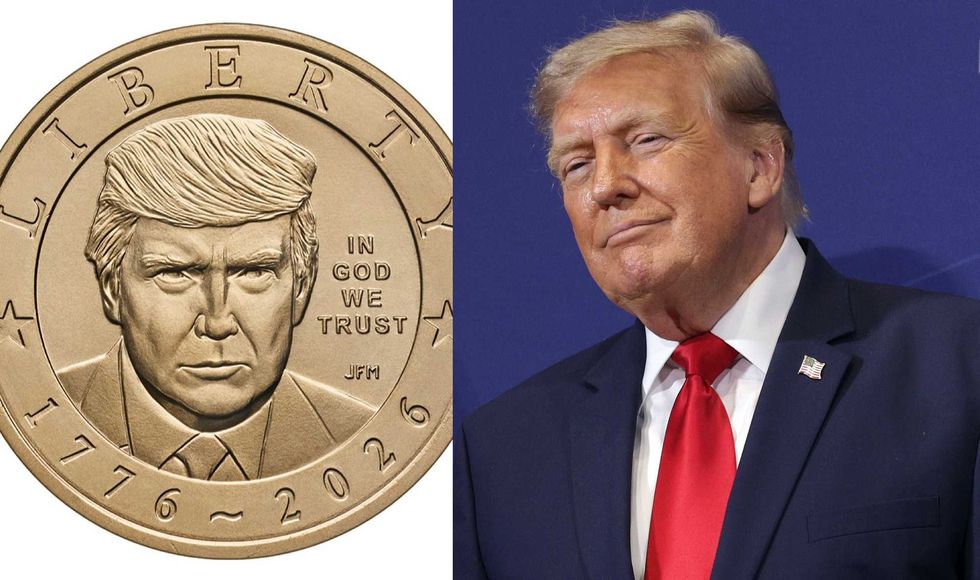
Image via TheBlaze
Treasury Drops a Trump Gold Coin for 250 — and the Left Loses Its Mind
The Treasury Department, under Secretary Scott Bessent, announced a new $1 gold coin featuring President Donald Trump as part of America’s 250th anniversary commemorations. The policy news itself is straightforward: a commemorative coin program tied to the Semiquincentennial. The cultural reaction, predictably, has been anything but calm, with liberals furious over the symbolism.
Here’s the part investors should focus on: official gold products, even symbolic ones, tap into a real undercurrent — Americans are paying attention to hard assets again. Between years of fiscal excess, debt-service pressure, and a public that doesn’t trust institutions the way it used to, gold has moved from “prepper talk” back into polite portfolio conversation. A Treasury headline about gold, even a commemorative one, is a reminder of where confidence is drifting.
Whether you love Trump or hate him, the intensity of the reaction tells you something about the market for narratives. Collectibles, bullion demand, and even crypto flows often ride on trust and identity as much as they ride on interest rates. Politics doesn’t just set rules; it sets moods — and moods move money.
🏛 Wade's Take: I’m not buying a coin because it has a politician’s face on it — I buy gold because Washington can’t quit spending. But I do like anything that nudges people to remember real money exists outside a spreadsheet. If the left is this upset over a commemorative coin, imagine how they’ll react when the bond market forces actual discipline.
📎 TheBlaze
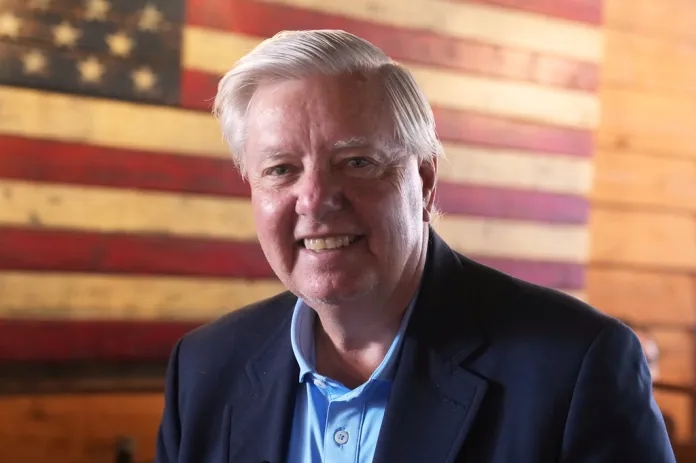
Image via Washington Examiner
Lindsey Graham’s Last Push: A Middle East Deal That Could Reshape Energy and Markets
An op-ed argues that Sen. Lindsey Graham’s final weeks were spent trying to lock in a concrete framework for Israeli-Saudi normalization, working closely with President Trump and senior officials. The claim is that Graham left behind more than a wish list — he left a workable plan that doesn’t have to die with him.
For investors and business owners, normalization isn’t just a foreign-policy headline. It can affect energy corridors, defense procurement, shipping risk, and the overall temperature of the region — which plays straight into inflation, fuel costs, and the cost of doing business back home. When the Middle East is calmer, insurance rates and freight costs tend to behave; when it’s on fire, everybody pays at the pump and on the invoice.
There’s also the strategic competition angle. A tighter U.S.-Israel-Saudi alignment changes how China and Russia operate in the region, and that has second-order effects on commodities, technology transfer, and sanctions regimes. Markets hate uncertainty, and this is one area where a durable deal could actually lower the uncertainty premium.
🏛 Wade's Take: I didn’t agree with Lindsey Graham on everything, but the man understood leverage and alliances. If there’s a real path to normalization that reduces regional risk and stabilizes energy, Republicans should push it hard and finish the job. Peace through strength isn’t just a slogan — it’s a way to keep inflation from eating the middle class alive.

Image via American Thinker
Blue Cities Export Their Chaos — and Red States Pretend It Won’t Reach Them
An American Thinker essay warns that big blue cities are increasingly shaping culture, policy, and even enforcement norms far beyond their borders — pressuring red states through media influence, corporate HR policy, litigation strategy, and federal bureaucracy. The core argument is that conservative voters may underestimate how fast urban-progressive governance can erode liberty, even in states that still vote Republican.
I’ll translate that into business terms: cities don’t just vote; they regulate. When the biggest metro areas in a state lean hard left, they can dominate permitting, zoning attitudes, policing priorities, and local tax appetites — all of which land directly on small businesses and property owners. One city council can turn “pro-growth” into “pay-to-play” in a single election cycle, and then you wonder why your pipeline stalls and your tenants start looking two counties over.
And it’s not only local. Blue-city norms get laundered into national corporate policy, bank lending preferences, and insurance underwriting. If you’ve ever had a lender suddenly ask about non-financial “risk factors” that weren’t on the checklist five years ago, you already know how this works.
🏛 Wade's Take: Conservatives can’t just win statewide and go to sleep — the fight is county by county, school board by school board, zoning meeting by zoning meeting. If you want lower taxes and safer streets, you’ve got to protect the cities from becoming ideological engines that drive out families and capital. Liberty doesn’t disappear overnight; it gets regulated away one “reasonable” ordinance at a time.
Wade Lawson, Editor, The Local Conservative. Build real things, invest with your eyes open, and don’t let anybody shame you out of common sense.
— Wade Lawson